
Onnia
Onnia
Description
Symptoms
Initial symptoms of Onnia infection include slowed growth and premature chlorosis or shedding of needles. Because the disease process occurs primarily below the soil surface, visible symptoms may remain hidden until the infection is well advanced.
An examination of the root system often reveals areas of decayed wood, showing a mottled or variegated appearance with distinct black lines. This decay pattern is a hallmark of the species and significantly weakens the root structure.
Swelling or abnormal resin flow at the base of the trunk may indicate the tree's internal struggle against the pathogen. As the decay spreads from the roots into the lower stem, the tree may exhibit signs of reduced stability.
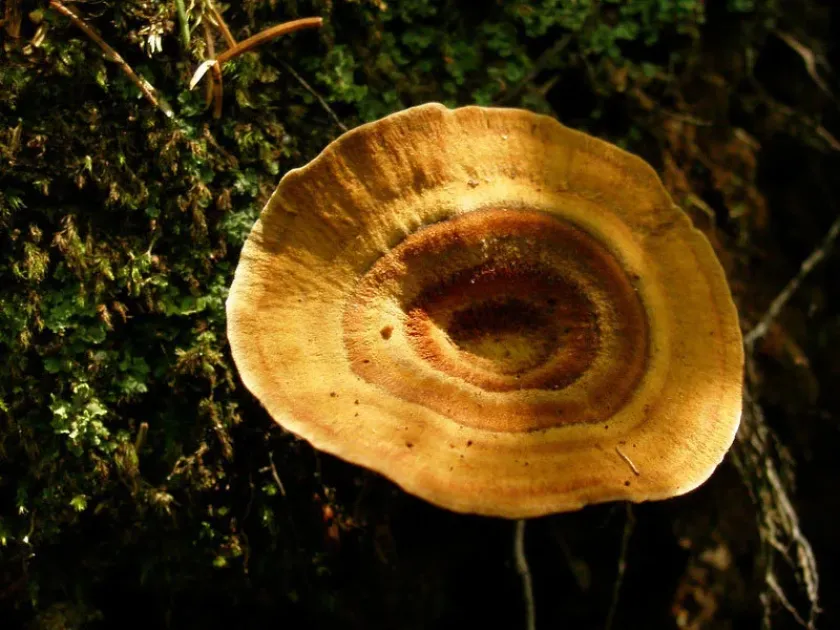
The presence of funnel-shaped brown fruit bodies at the base of the tree or on exposed roots is the most definitive sign of infection. These fruit bodies indicate that the fungus has established a mature colony within the wood.
Ultimately, infected trees become highly susceptible to windthrow, even during minor wind events. The loss of healthy root architecture means the tree can no longer anchor itself effectively in the ground.
Pathogen
The genus Onnia belongs to a group of basidiomycete fungi recognized as significant phytopathogens. The most prominent species, Onnia tomentosa, is responsible for causing variegated root and butt rot in various conifer species.
This fungus is classified within the Hymenochaetaceae family and specializes in decaying the root systems of woody plants. Its mycelium penetrates deep into the tissues, where it secretes enzymes that decompose lignin, compromising the tree's structural integrity.
The life cycle involves the formation of ephemeral fruit bodies, which typically emerge at the base of the tree or directly from roots during late summer and autumn. These fruit bodies are funnel-shaped with a velvety texture, providing a key diagnostic feature for field identification.
Reproduction occurs via basidiospores, which are disseminated by wind or rain splash. These spores serve as the primary source of infection, targeting fresh wounds or damaged bark areas on susceptible host trees.
The fungus is highly resilient, capable of persisting in the soil or within infested woody debris for many years. This long-term survival strategy makes it notoriously difficult to eradicate from affected sites.
Conditions for development
Onnia development is favored by high soil moisture and moderate temperatures. The fungus thrives in forest sites with poor drainage, where water-saturated soils promote the rapid spread of mycelium.
Infection is significantly more common in stands where roots have sustained mechanical damage from logging equipment or soil-dwelling pests. These injuries provide entry points for the fungal spores.
The age of the forest stand is a critical factor, as older trees are generally more susceptible to infection. Their physiological decline over time makes them less capable of resisting the slow progression of the decay.
Root-to-root contact is a primary mechanism for the localized spread of the pathogen. In dense plantations, the fungus can easily migrate from a diseased tree to a healthy neighbor through overlapping root systems.
Warm summer temperatures combined with sustained soil moisture facilitate the production of fruit bodies. This active growth phase significantly increases the potential for spore dispersal across the wider forest area.
Why it matters
The primary harm caused by Onnia is the physical destruction of high-value timber due to internal wood decay. This drastically reduces the structural and economic utility of the affected trees.
Widespread infection leads to substantial timber losses and necessitates extensive sanitation harvesting. Such management actions cause significant economic disruption and alter the ecological structure of the forest.
Infected trees often become weak and serve as breeding grounds for secondary pests, such as bark beetles. This cumulative stress further degrades the overall health of the forest stand.
In ornamental or nursery settings, Onnia can cause complete mortality of valuable conifers. Since curative treatments are largely ineffective at advanced stages, the loss is usually total.
The pathogen necessitates long-term monitoring and quarantine of affected sites. The persistent nature of the fungus means that replanting in infested areas carries a high risk of subsequent infection.
Protection
The most effective strategy for managing Onnia is preventing root injury during forest operations. Avoiding damage to the soil and root zone is essential for maintaining the tree's natural resistance.
If an infection is identified, immediate removal of affected trees, including the stump and major roots, is required. Leaving stumps intact provides a long-term reservoir for the pathogen to persist.
Improving drainage in high-moisture areas can create a less favorable environment for fungal spread. Managing the water table helps keep the root zone drier and more resistant to rot.
Biological control agents applied to fresh cut surfaces during logging can help protect healthy trees from infection. These agents act as a barrier against spore colonization.
Regular site inspections and professional monitoring allow for the early detection of disease hotspots. Prompt sanitation and proactive site management are the best defenses against widespread outbreaks.
Discussion
No discussions yet — be the first.