
Omphalina
Omphalina
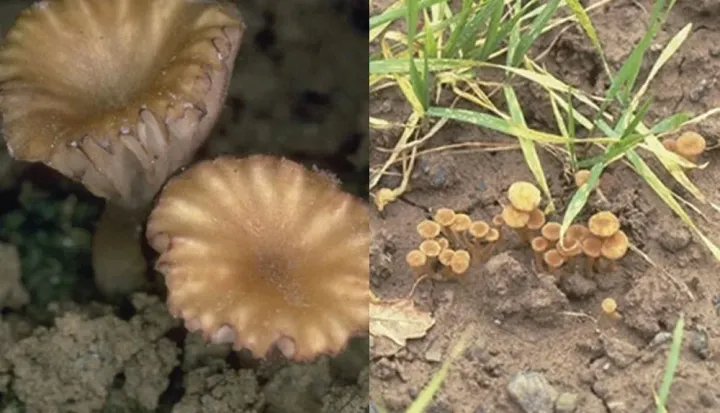
Description
Symptoms
The primary symptom of an Omphalina infection is the emergence of distinctive mushroom fruiting bodies near the root collar or on the lower trunk of the plant. These bodies are typically cup-shaped or funnel-shaped with gills running down the stem.
Affected plants often show gradual growth stunting, accompanied by leaf chlorosis or premature yellowing. In areas where the mycelium contacts the bark, necrotic patches and tissue decay are commonly observed.
The root system of infected plants becomes brittle and dark-colored. Upon closer inspection, fine white or gray mycelial threads can be seen colonizing the epidermis and decaying the root structure from within.
In advanced stages, plants exhibit premature leaf drop and dieback of individual branches. Because symptoms often mimic other common root rots, laboratory diagnosis is essential for accurate identification.
It is important to differentiate Omphalina symptoms from other wood-decaying fungi, as the localization of fruiting bodies at the root collar is a specific characteristic feature of this particular infection.
Pathogen
Omphalina is a genus of basidiomycete fungi belonging to the Hygrophoraceae family. In agronomic and forestry contexts, this fungus is primarily identified as a facultative parasite or a decomposer capable of attacking weakened plant tissues and organic debris under specific environmental conditions.
The pathogen utilizes mycelium that penetrates deep into the substrate or plant tissue. As the fungus matures, it produces characteristic fruiting bodies, which are the primary diagnostic sign for identifying the presence of the infection in fields or nurseries.
The pathogenic activity of Omphalina involves the enzymatic breakdown of lignin and cellulose, which makes it particularly destructive to plant roots and woody stems. The fungus spreads predominantly through basidiospores dispersed by wind or water splashes.
The life cycle of the pathogen is closely tied to environmental humidity, as the development of the mycelial network requires stable moisture levels. Biologically, the fungus can shift from a saprotrophic lifestyle to a parasitic one when the host plant's immune system is compromised.
Research indicates that this pathogen is highly active in nurseries where soil microflora balance is disrupted. The fungus is well-adapted to breaking down complex organic compounds, which complicates conventional eradication efforts.
Conditions for development
High soil moisture and poor drainage in the root zone are the primary drivers of Omphalina development. The fungus thrives in conditions of low soil aeration and limited sunlight, often affecting plants in dense or waterlogged areas.
The infection is frequently triggered by mechanical damage to stems or roots, which provides a gateway for fungal spores to enter the host tissue. Plants stressed by drought, poor nutrition, or other pests are significantly more susceptible.
Temperatures ranging from 15 to 20 degrees Celsius are considered optimal for mycelial growth. Furthermore, acidic soil conditions create a favorable environment for the pathogen to colonize the root system effectively.
Spore dispersal is facilitated by prolonged rainfall and high air humidity during the growing season. The presence of organic debris, such as fallen leaves, stumps, or wood chips, provides a reservoir for the infection to persist.
In agricultural settings, the risk of an outbreak increases when agronomic practices are neglected, specifically with excessive nitrogen fertilization, which can decrease the plant's overall resistance to fungal pathogens.
Why it matters
Omphalina causes significant damage to young seedlings in nurseries, leading to widespread wilting and death. The pathogen interferes with water and nutrient transport, which inevitably leads to the decline and exhaustion of the plants.
In gardens and parklands, the infection contributes to the gradual weakening of mature trees, making them vulnerable to secondary pests and various opportunistic pathogens. Over time, the plant loses its aesthetic value and physiological vigor.
The destruction of the root system reduces the plant's structural stability, significantly increasing the risk of windthrow. Economic losses are associated with the need for extensive sanitation pruning and the costly replacement of infected nursery stock.
Damage from Omphalina is often characterized by a latent progression; the plant may appear relatively healthy until the fruiting bodies emerge. This delayed symptom expression complicates timely intervention and management.
In the long term, once the mycelium is established in the soil, planting susceptible crops in the same area becomes risky without prior soil sterilization, adding further economic burdens to the management of the land.
Protection
Prevention of Omphalina begins with maintaining proper irrigation schedules and ensuring excellent soil drainage. It is critical to avoid waterlogging and standing water around the base of trees.
To prevent the spread of the disease, regular sanitation is required: all infected plant parts and organic debris should be removed and destroyed by burning. This eliminates the source of the inoculum.
When initial signs are detected, copper-based fungicides or specific systemic fungicides can be applied. Treatment should be comprehensive, including soil drenching to reach the root zone directly.
- Improve soil aeration to increase oxygen availability to the roots.
- Apply organic fertilizers to support the balance of beneficial soil microflora.
- Use only certified, disease-free planting material to avoid introducing pathogens.
- Ensure adequate spacing between plants to promote better air circulation and canopy drying.
In cases of severe infestation, replacing the topsoil or using biological antagonistic agents that inhibit fungal mycelial growth is recommended to restore soil health.
Discussion
No discussions yet — be the first.