
Eyespot
Oculimacula
Description
Symptoms
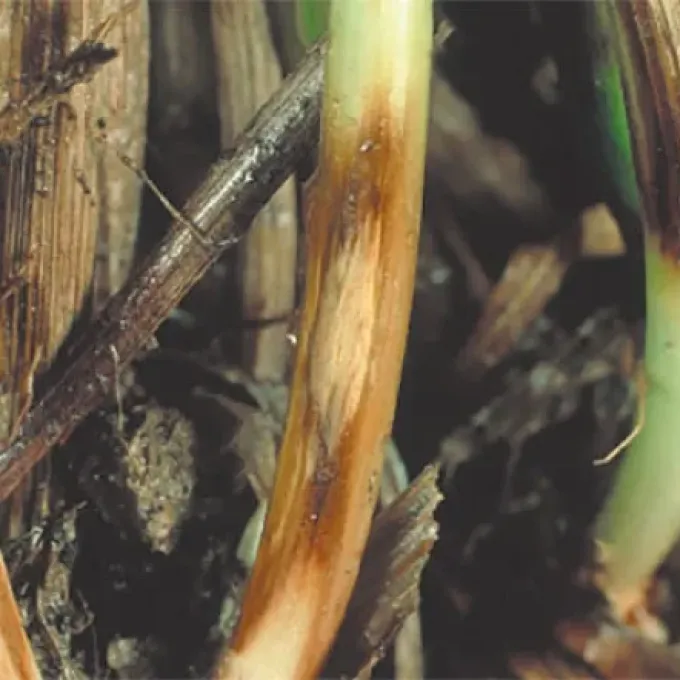
The most distinctive symptom of eyespot is the appearance of eye-shaped lesions on the lower internodes of the stem. These lesions typically have a light-colored center surrounded by a dark brown or black margin.
As the infection progresses, these spots can expand and merge, eventually girdling the entire stem. This damage significantly impairs the plant's ability to transport water and nutrients from the roots to the head.
The most visible consequence in a field setting is premature lodging of the cereal crop. Plants may bend or break at the site of the infection, often resulting in erratic patches of fallen stalks across the field.
In advanced stages of the disease, affected plants may show signs of whiteheads. This condition occurs because the stem is too damaged to support grain filling, leading to sterile or poorly developed heads that fail to mature properly.
Close inspection of the stem base often reveals a greyish or fuzzy mycelial mat, particularly in humid conditions. This fungal growth is a key indicator of active disease progression within the crop canopy.
Pathogen
Eyespot is a fungal disease caused by the pathogens Oculimacula yallundae and Oculimacula acuformis. These fungi specifically target the base of the stems in various cereal crops, including wheat, barley, and rye.
The fungus survives primarily on infected crop residues left in the field after harvest. It produces spores that can persist in the soil and on stubble, acting as the primary source of infection for the next crop cycle.
Infection spreads through rain-splashed spores that land on the lower leaf sheaths of young seedlings. Once the fungus penetrates the outer layers of the stem, it begins to colonize the internal tissues, gradually weakening the structural integrity of the plant.
The development of the disease is highly dependent on environmental conditions, particularly moisture. The fungus requires persistent cool and damp weather to germinate and successfully colonize the host plant tissue.
The biological cycle also includes the formation of mycelial structures that allow the pathogen to survive throughout the winter period. This capability makes eyespot a persistent threat in regions with temperate climates and frequent rainfall.
Conditions for development
Eyespot thrives in cool, wet weather conditions, with temperatures ranging between 5°C and 15°C being optimal for fungal growth. Autumn and early spring are the most critical times for infection development.
High humidity levels and consistent rainfall are essential for the movement of spores from the soil to the plants. Extended periods of dampness encourage the fungus to establish itself and spread rapidly.
Dense crop stands often create a stagnant microclimate at the base of the plant, increasing humidity and facilitating fungal growth. Improper spacing or high seeding rates can exacerbate the disease pressure.
Short crop rotations, specifically those that frequently include wheat or barley, allow the pathogen to accumulate in the soil. Without a proper break, the infection pressure becomes progressively higher each year.
Excessive nitrogen application can encourage lush growth, which may inadvertently improve conditions for the fungus. Balanced nutrient management is crucial for maintaining plant health and disease resistance.
Why it matters
The primary economic impact of eyespot is significant yield loss, which can range from 10% to 30% depending on the severity and timing of the infection. The damage is mainly structural and physiological.
Lodging caused by the disease creates major challenges during harvest, leading to physical loss of grain and slower combine operations. This increases both labor and machinery costs for the producer.
Grain quality is often severely compromised, as the restriction of nutrient flow results in shriveled and lightweight kernels. This reduction in thousand-grain weight directly translates to a lower market value for the harvested crop.
Affected plants are also more susceptible to secondary infections, such as root rots, which further degrade the overall vitality of the crop. This interaction often leads to stunted growth and reduced tillering.
Managing eyespot often requires the application of fungicides, which adds to the overall production cost. Failure to control the disease can result in long-term field contamination, requiring years of careful management to mitigate.
Protection
Effective management begins with robust crop rotation, ideally avoiding host cereals for at least two years. This interruption is essential to reduce the amount of inoculum present in the field residues.
Good agronomic practices, such as the incorporation of crop residues into the soil, can accelerate the decomposition of infected stubble. This reduces the surface area available for the fungus to persist and sporulate.
The use of resistant or tolerant cultivars is a primary defense strategy. Breeders have developed varieties that possess better resistance to stem colonization, providing a sustainable way to minimize losses.
Chemical control is available through the timely application of systemic fungicides, usually during the tillering or early stem elongation stages. Monitoring the infection levels is critical for determining the need for treatment.
Integrated pest management (IPM) practices, including managing seeding rates and avoiding early planting in fields with high risk, play a vital role. By combining these methods, producers can maintain high productivity despite the presence of the pathogen.
Discussion
No discussions yet — be the first.