
Banana nigrospora disease
Nigrospora musae
Description
Symptoms
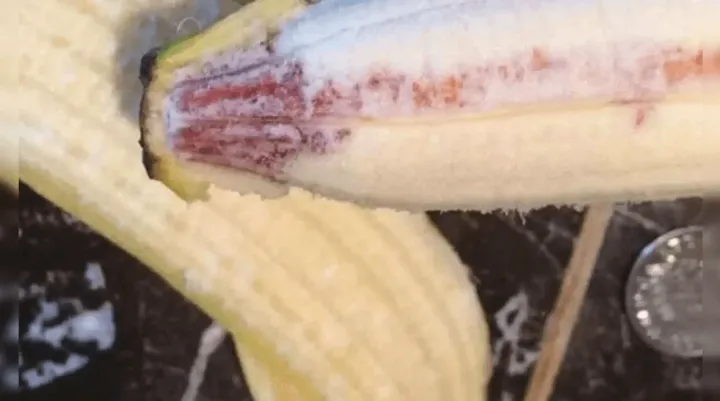
The most visible sign of nigrospora disease is the appearance of dark, irregular spots on the banana peel. These spots can rapidly grow and coalesce to cover significant areas of the fruit.
A distinctive black, velvety layer often appears in the center of the necrotic lesions, which consists of masses of fungal conidia. This visual indicator helps differentiate it from other post-harvest rots.
Infection often initiates at the base of the fruit crown or where fruits in a bunch come into contact with each other, as these areas retain moisture for longer periods.
Internal tissue breakdown is another key symptom; the pulp becomes mushy, discolored, and releases an off-odor as the fungal infection progresses through the fruit structure.
When leaves are affected, they display chlorotic patches followed by necrotic death, which reduces the overall photosynthetic capacity and vigor of the banana plant.
Pathogen
The causative agent of this disease is the fungus Nigrospora musae, which belongs to the group of imperfect fungi. It primarily affects banana fruits, leading to tissue degradation and rot.
The pathogen exists as a facultative parasite that colonizes tissues by secreting enzymes that break down cell walls. It spreads through microscopic spores that are easily carried by air currents or moisture.
Nigrospora musae persists in plant debris and soil, making it a persistent threat in tropical environments where bananas are grown throughout the year.
The fungus is opportunistic, often infecting fruits that have already been weakened by environmental stress, mechanical damage, or senescence during the ripening process.
Its biological cycle is characterized by rapid spore production in dark, velvet-like fungal mats that form on the surface of the affected plant tissues, ensuring effective dispersal.
Conditions for development
Nigrospora musae thrives under conditions of high relative humidity, typically exceeding 80-90%, which is characteristic of the tropical climates where bananas are cultivated.
Optimal temperatures for spore germination and mycelial expansion range from +22°C to +28°C. These conditions are conducive to a rapid disease cycle.
Poor airflow within the banana bunch, often caused by overcrowding or dense canopy structures, allows moisture to accumulate and promotes fungal proliferation.
Mechanical injuries, such as bruises or cuts on the peel surface occurring during harvest or handling, significantly increase the likelihood of infection.
Heavy rainfall periods are particularly dangerous, as they facilitate the spread of spores and provide the necessary surface moisture for the pathogen to establish itself.
Why it matters
The economic impact of nigrospora disease is primarily linked to the devaluation of harvested bananas. Affected fruits lose their marketability due to unsightly lesions and accelerated rotting.
The disease causes significant post-harvest losses, as infected fruits deteriorate rapidly during transit and storage, leading to high rejection rates at market destinations.
Chronic infection of the plant reduces its overall health and yield, affecting fruit size and quality, which impacts the long-term profitability of the plantation.
Costs associated with disease management, including the application of post-harvest fungicides and labor-intensive sorting, increase the total production expenses for banana growers.
Loss of export reputation due to inconsistent quality and rapid spoilage is a major risk for large-scale producers supplying international markets.
Protection
Integrated disease management starts with rigorous field sanitation, including the removal of dead leaves and fruit debris where the pathogen can survive.
Post-harvest treatment with appropriate fungicides is essential to prevent fruit decay during the long journey from tropical plantations to global retailers.
Improving orchard ventilation and optimizing planting density helps reduce the humidity levels that favor the rapid growth of Nigrospora musae.
- Minimizing fruit injuries during harvesting and packing processes.
- Using protective bagging to shield fruits from external contamination.
- Regular inspection and removal of symptomatic fruit bunches.
Developing and planting resistant cultivars remains the most sustainable and long-term solution for managing nigrospora disease in banana production.
Discussion
No discussions yet — be the first.