
Niaceae
Niaceae
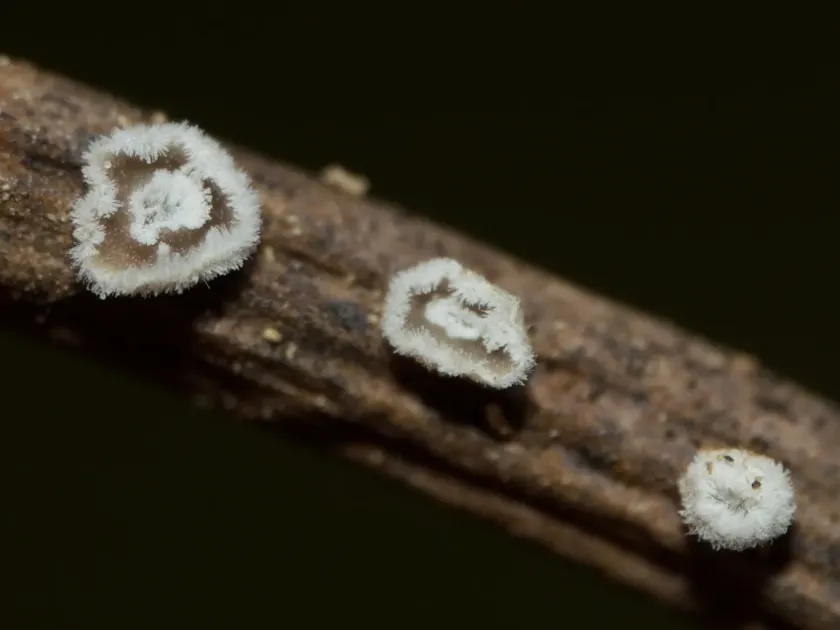
Description
Pathogen
The disease is caused by fungi belonging to the Niaceae family. These are basidiomycetous fungi that play a dual role as saprotrophs and weak parasites in various ecosystems.
The pathogen reproduces by forming small, often cup-shaped basidiocarps, which release large quantities of spores under favorable environmental conditions.
The fungus is capable of colonizing living plant tissue by secreting enzymes that degrade cell wall components, leading to localized tissue death and decay.
Overwintering of the pathogen typically occurs in the soil or within colonized plant debris, where the fungus remains dormant until the arrival of spring moisture.
Biological studies highlight the high adaptability of these fungi to diverse substrates, making them persistent threats in both open fields and protected environments.
Conditions for development
High relative humidity and persistent wetness on plant surfaces are the primary drivers for the germination of fungal spores and subsequent infection cycles.
Optimal growth temperatures for most Niaceae species usually range between 15°C and 22°C, which often coincide with the active growth phases of many crops.
Poor aeration within densely planted rows creates a humid microclimate, significantly increasing the probability of disease outbreak and spread.
Frequent rainfall or overhead irrigation systems that keep foliage moist for extended periods provide perfect conditions for the pathogen to establish itself.
Nitrogen-rich soils or excessive fertilizer application can lead to lush, soft growth that is more susceptible to fungal penetration and colonization.
Why it matters
The primary damage caused by Niaceae involves the decay of stems, roots, and sometimes leaves, which disrupts the transport of water and nutrients.
Affected plants often show stunted growth, chlorosis, and in severe cases, premature wilting followed by total plant collapse and death.
Crop yields suffer both quantitatively due to reduced plant vigor and qualitatively due to physical damage or secondary infections in fruit and tubers.
Economic impact is amplified by the cost of chemical interventions and the potential need to discard significant portions of the harvest during grading.
Reduced crop quality also limits market accessibility, as affected produce fails to meet strict phytosanitary standards for shelf life and appearance.
Protection
Effective management begins with strict crop rotation practices, ensuring that susceptible host plants are not grown in the same field for consecutive years.
Sanitation measures, including the removal and destruction of crop residues, are essential to minimize the primary inoculum load in the agricultural environment.
Application of fungicides, particularly those targeting basidiomycetes, provides a reliable defense when environmental conditions favor disease development.
Cultural strategies such as increasing plant spacing and improving drainage are fundamental to reducing the humidity levels around the crop canopy.
- Monitoring for early disease symptoms.
- Use of resistant cultivar varieties.
- Properly balanced irrigation scheduling.
Discussion
No discussions yet — be the first.