
Nephroma parile
Nephroma parile
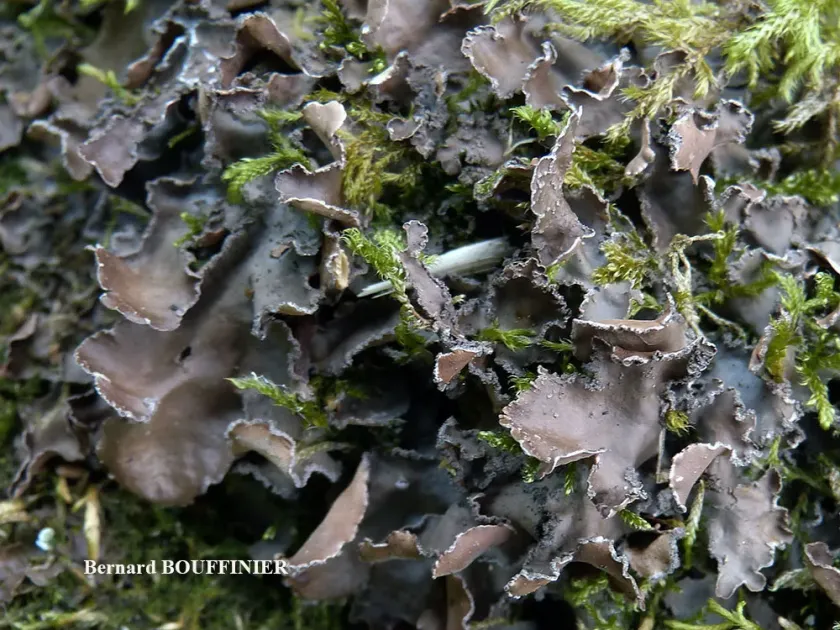
Description
Pathogen
Nephroma parile is a foliose epiphytic lichen belonging to the Peltigeraceae family. In agronomical terms, it is not a plant disease, as it does not parasitize or extract nutrients from the host tree.
The lichen is a complex symbiosis between a fungus and cyanobacteria of the genus Nostoc. This symbiotic relationship allows the lichen to fix atmospheric nitrogen, supporting its survival in nutrient-poor environments.
Biologically, the host tree acts purely as a physical substrate for Nephroma parile. The lichen attaches itself to the bark and relies on moisture and nutrients absorbed from the air and precipitation.
In many cases, the presence of this lichen is mistakenly perceived as a sign of decay. While it is true that it often colonizes slower-growing trees, it is not the cause of their lack of vitality.
As an epiphyte, it remains on the surface of the bark, avoiding the vital internal tissues of the tree, which distinguishes it from actual plant pathogens.
Conditions for development
The development of Nephroma parile is highly dependent on environmental moisture. It thrives in shaded areas where bark remains damp for extended periods, facilitating growth.
This lichen is extremely sensitive to atmospheric pollution, particularly sulfur dioxide. It serves as a precise bioindicator, often found in regions with high air quality.
Optimal conditions for its growth include consistent humidity levels and stable, moderate temperatures. It is rarely found in highly active, fast-growing orchards where bark turnover is rapid.
The growth rate of the thallus is very slow, requiring several years to form noticeable colonies on the trunks or branches of host trees.
Proper forest or orchard management, including density control, significantly impacts the presence of such lichens by altering the microclimate within the tree canopy.
Why it matters
While not a disease agent, Nephroma parile may cause minor physiological concerns in extreme cases. Dense coverage can interfere with gas exchange through the lenticels of the bark.
Furthermore, the persistent moisture held by the lichen layers can create a localized humid environment that might harbor secondary fungal spores or wintering pests.
However, for a healthy and vigorously growing tree, these effects are negligible. The tree's natural bark growth usually prevents the lichen from establishing significant dominance.
In most commercial orchards, the presence of this lichen is considered a minor aesthetic issue rather than a threat to the health or yield of the trees.
The true danger lies in ignoring the conditions that allow the lichen to thrive—such as poor ventilation or neglect—rather than the lichen itself.
Protection
There are no chemical control measures targeted specifically at Nephroma parile because it does not act as a pathogen. Management relies on general cultural practices.
Pruning is the most effective method, as it improves canopy ventilation and allows the bark to dry quickly after rain, making the environment less favorable for the lichen.
Mechanical removal of old, dead bark using specialized brushes is a safe and effective way to clean the trunk and remove epiphytic colonizers.
Maintaining optimal tree vigor through balanced fertilization and correct irrigation helps the tree grow faster, which naturally sloughs off the lichen and prevents further attachment.
- Pruning for improved air circulation and light.
- Manual bark cleaning during the dormant season.
- General health management to ensure active bark growth.
Discussion
No discussions yet — be the first.