
Neobulgaria
Neobulgaria
Description
Symptoms
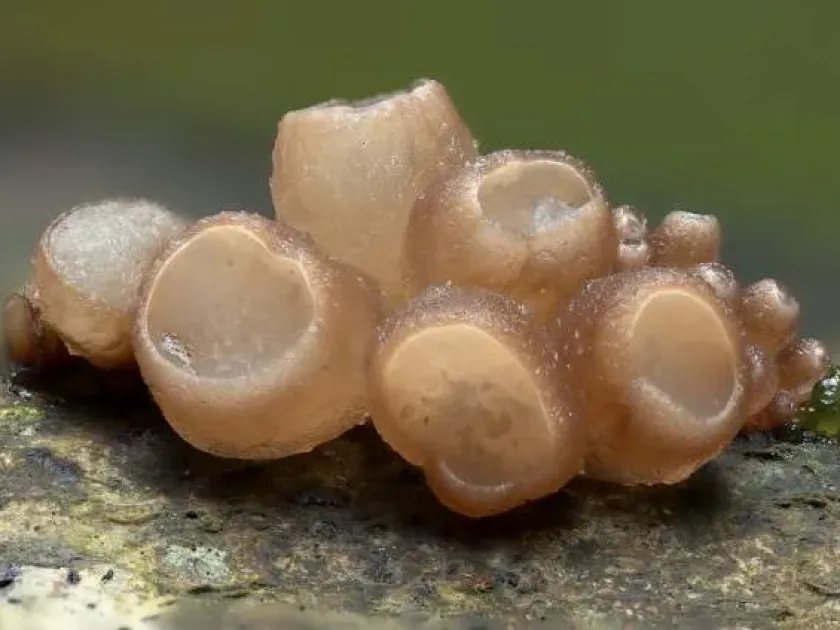
The primary symptom of infection is the emergence of characteristic fruiting bodies on the bark of trunks and branches. They appear as small, translucent, gelatinous formations resembling drops of solidified jelly.
The color of these fruiting bodies can vary from colorless or whitish to pale pink or yellowish. They are often found in clusters, covering significant surface areas of the affected bark.
Examination of the wood reveals localized discoloration of the bark, along with cracking and necrosis. In areas where mycelium develops, the wood tissue becomes brittle and eventually turns brown or gray.
In the early stages, the infection can remain latent with no visible external changes other than microscopic bark cracks. The fungus only produces visible fruiting bodies on the surface when environmental conditions are favorable.
Internal tissues of the affected branch or trunk eventually break down, leading to the formation of rot pockets. This weakens the tree's structural integrity, making it susceptible to secondary infections.
Pathogen
The disease is caused by fungi of the genus Neobulgaria, which belong to the class Ascomycetes. In agronomic practice, the species Neobulgaria pura is most commonly encountered, acting as a saprophyte or a weak parasite.
The fungus mycelium actively penetrates the tissues of woody plants, utilizing damaged areas of the bark as entry points for colonization. The fungus is capable of surviving in both living and decaying wood tissues.
Reproduction occurs via spores formed in fruiting bodies known as apothecia. These structures have a gelatinous consistency and a distinct appearance, which allows for the relatively easy identification of the pathogen.
The biological cycle of the pathogen is closely linked to environmental humidity, as spore formation requires high tissue moisture saturation. The fungus is a typical member of forest and orchard mycoflora.
Unlike highly aggressive pathogens, Neobulgaria typically colonizes weakened trees, accelerating their degradation. However, under high-inoculum conditions, it may also affect relatively healthy specimens.
Conditions for development
A key factor in the development of Neobulgaria is high relative humidity. Prolonged rainfall and fog create an ideal environment for spore germination and the development of apothecia.
The fungus prefers cool conditions, making outbreaks more common during autumn and spring. The optimal temperature for mycelial growth ranges from 10 to 18 degrees Celsius.
Disease development is closely correlated with mechanical bark damage. Frost cracks, sunscald, and improper pruning cuts all serve as entry points for the infection.
Dense plantings, where air circulation is restricted, contribute to moisture retention on the bark surface. This is a critical factor that accelerates the colonization of wood by this pathogen.
Lack of sunlight within the deep canopy also contributes to a consistently moist microclimate, which favors the spread of the Neobulgaria fungus in the lower tiers of trees.
Why it matters
The main danger lies in the suppression of the tree's immune system. The persistent presence of the pathogen disrupts sap flow and nutrient transport in affected areas.
Neobulgaria contributes to the gradual dieback of branches, which significantly reduces the total yield of an orchard. The tree redirects energy toward fighting the infection rather than fruit production.
Rotting processes provoked by the fungus make the wood brittle. Branches become prone to snapping under the weight of fruit or strong winds, leading to structural physical damage.
The presence of Neobulgaria colonies makes trees more vulnerable to infestations by wood-boring insects, such as bark beetles, which prefer already weakened hosts.
Without proper control, the pathogen can serve as a reservoir for secondary infections, leading to an overall decline in the phytosanitary status of the entire orchard.
Protection
The primary control measure is sanitary pruning. All infected branches must be removed, cutting back into healthy tissue, and then burned or removed from the orchard premises.
Pruning cuts must be disinfected with copper sulfate solutions or specialized tree wound dressings. It is important to seal large wounds with natural oil-based paints to prevent moisture entry.
Regular whitewashing of trunks and main scaffold branches using lime wash mixed with fungicides is recommended. This protects the bark from sunscald and prevents spore attachment.
Ensuring adequate canopy ventilation through proper formative pruning is a vital preventive measure. Light and air movement discourage the establishment of fungal colonies.
Applying copper-based fungicides during the dormant season significantly reduces the infection load in the orchard and prevents the fungus from sporulating in the following season.
Discussion
No discussions yet — be the first.