
Neoboletus erythropus
Neoboletus erythropus
Description
Symptoms
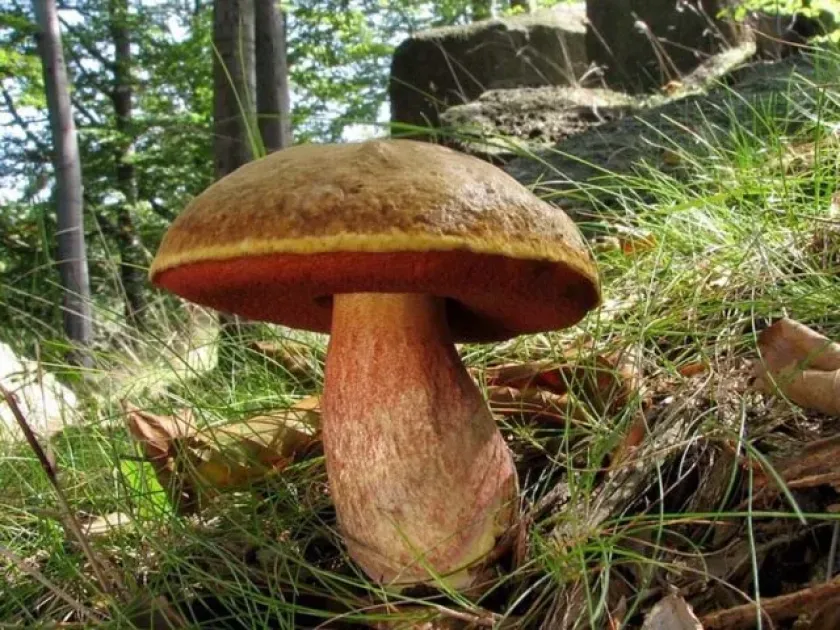
Neoboletus erythropus, commonly known as the scarletina bolete, is a wild fungus often mistaken for a plant pathogen due to its rapid color change upon handling.
When the flesh of the mushroom is cut or bruised, it immediately turns a dark blue color, a reaction that frequently causes alarm among gardeners who associate such changes with necrosis.
The mushroom features a velvety brown cap and a yellow stipe covered with dense, red dots, which are distinctive visual characteristics of this species.
The fungus fruits near the root zones of broad-leaved trees, particularly oaks and beeches, where it establishes symbiotic associations with the roots.
These fruiting bodies are indicators of a healthy, fungus-rich soil environment rather than symptoms of a viral or fungal disease affecting the host tree.
Pathogen
Neoboletus erythropus is classified as a mycorrhizal fungus, not a pathogen; it does not harm living tissues of plants or trees.
The fungus forms an ectomycorrhiza, a structural connection with plant roots that increases the surface area for nutrient and water absorption.
This symbiotic relationship provides the tree with essential minerals and protection against soil-borne stressors in exchange for photosynthetically derived sugars.
Unlike parasitic fungi that decay lignin or cellulose, Neoboletus erythropus relies on healthy host trees to survive and flourish in its natural habitat.
It plays a vital role in soil health and ecosystem productivity, which is the opposite of the destructive behavior associated with plant pathogens.
Conditions for development
Growth of the fungal mycelium is promoted by the presence of mature broad-leaved trees and deep, well-drained, slightly acidic forest or garden soils.
Fruiting typically occurs during late summer and autumn when humidity levels are high and the soil temperature remains within an optimal range of 15-25 degrees Celsius.
Shaded environments provided by dense canopy foliage help maintain the soil moisture necessary for the development of the fungus in the root zone.
The availability of leaf litter and decaying organic matter supports the complex microbial community required for the formation of the fungus.
Minimal disturbance of the topsoil layer is essential for maintaining a stable network of mycelia over extended periods in a garden or forest setting.
Why it matters
There is absolutely no harm caused by Neoboletus erythropus to crops, horticultural plants, or decorative trees in a landscape or agricultural field.
The fungus does not compete for nutrients; instead, it improves the nutrient uptake efficiency of the host trees through its extensive hyphal network.
Fear of this fungus usually stems from a lack of botanical and mycological knowledge, leading to unnecessary worry regarding the health of plants.
No economic damage is associated with this species; therefore, it requires no eradication measures or specialized disease management practices.
It remains a beneficial part of the soil ecosystem, contributing to the overall vigor and drought tolerance of the plants associated with it.
Protection
Since Neoboletus erythropus is not a plant disease, no control measures or chemical treatments are required to manage or eradicate it.
Should the presence of mushrooms be undesirable for aesthetic reasons, they can be easily hand-picked and removed without affecting the trees.
It is strongly advised against using broad-spectrum fungicides, as these chemicals would disrupt beneficial mycorrhizal fungi and harm soil fertility.
Educating growers on the importance of fungal symbiosis helps prevent the misuse of pesticides and encourages sustainable gardening practices.
The best approach is to embrace the presence of this fungus as a sign of high soil quality and healthy plant-microbe interactions in the landscape.
Discussion
No discussions yet — be the first.