
Nectria canker
Nectriaceae
Description
Symptoms
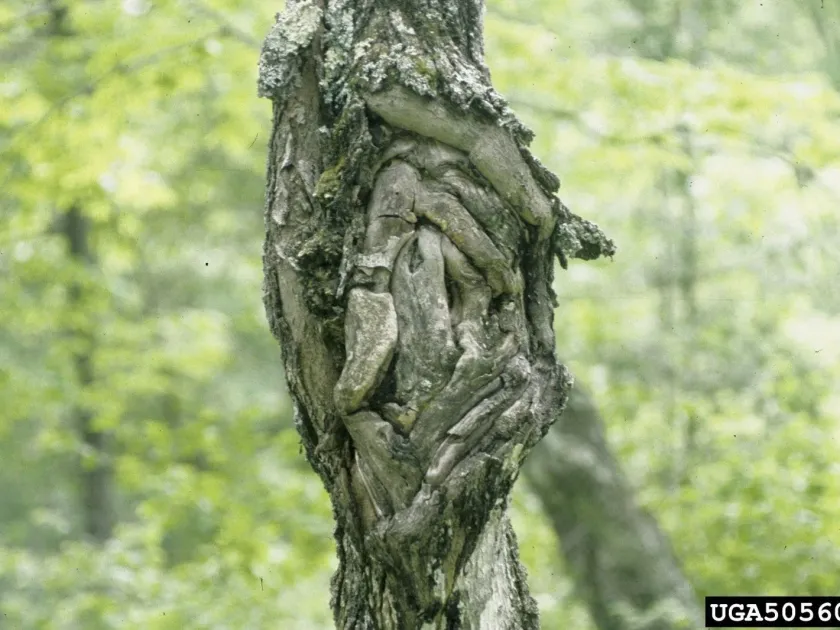
The most diagnostic sign of Nectria canker is the presence of sunken, target-shaped lesions or cankers on trunks and branches. These lesions are often surrounded by callus tissue ridges.
In moist conditions, particularly during spring and autumn, small, bright red or orange fungal fruiting bodies appear on the surface of the infected bark. These are easily visible and represent the spore-producing stage.
Leaves on infected branches often show signs of chlorosis, wilting, and premature leaf drop. The branch beyond the canker usually dies back because it can no longer receive water from the roots.
When peeling back the bark of an active canker, one can observe localized tissue death and potential discoloration of the underlying wood. Dark brown or black necrotic areas are common hallmarks.
Over time, the infection can cause the branch to become brittle and snap easily during storms. In severe cases, the entire tree might lose its structural integrity and decline significantly.
Pathogen
Nectria canker is caused by several species of fungi within the Nectriaceae family, most notably members of the genera Nectria and Neonectria. These are widespread pathogens that target various deciduous and broadleaf trees.
The life cycle involves the production of asexual conidia (spores) in conspicuous orange or reddish cushions on the bark. Later, the fungus develops sexual structures called perithecia, ensuring survival and propagation.
The mycelium colonizes the vascular cambium and phloem, causing the tissue to die. By disrupting the transport of nutrients and water, the fungus effectively girdles branches or the entire trunk.
These fungi act as necrotrophs, actively killing host tissues and expanding their reach over several seasons. They survive in the bark debris or dead wood, making them persistent residents in neglected orchards.
While often considered opportunistic pathogens that enter through wounds, some species are highly aggressive and can overcome the defense mechanisms of relatively healthy trees.
Conditions for development
High humidity and rainfall are the primary drivers of Nectria canker development. Rain splashes serve as the main mechanism for spreading spores from existing cankers to healthy plant tissues.
Physical injuries serve as the primary entry point for the pathogen. Common sources include frost cracks, pruning wounds, sunscald, or mechanical damage from gardening equipment.
Poor orchard sanitation, such as leaving infected prunings on the ground, creates a constant source of inoculum. This allows the disease to spread rapidly to nearby healthy trees.
Weakened trees are far more susceptible to infection. Stress factors such as prolonged drought, poor soil fertility, or pest infestations compromise the tree's natural defense barriers.
Dense canopies that lack sufficient airflow trap moisture around branches. This prolonged wetness on the bark surface significantly increases the likelihood of fungal spore germination.
Why it matters
The primary harm caused by Nectria canker is the gradual decline and death of branches or the entire tree. This leads to substantial yield losses in orchards and significant damage in forestry.
The disease ruins the aesthetic value of ornamental trees, making them unsuitable for landscaping or park use. Infected trees may require complete removal if the trunk is girdled.
Cankers compromise the structural integrity of branches, posing a safety risk. Falling branches can damage surrounding infrastructure or cause injury to people.
Reduced vigor and energy reserves caused by vascular damage make the host plant highly prone to secondary attacks by wood-boring insects. This creates a downward spiral of decline.
The management costs associated with the disease—including frequent pruning, fungicide treatments, and tree replacement—place a significant economic burden on growers.
Protection
Strict sanitation is the most effective control measure. All infected branches must be pruned well below the site of the canker and burned or removed from the site entirely.
Disinfecting pruning tools between every single cut is critical to prevent spreading fungal spores. Using bleach or alcohol solutions helps maintain high levels of hygiene.
Protecting wounds is essential for preventing new infections. Applying wound paint or protective sealants to pruning cuts and accidental damage can block spore entry.
Regular fungicide applications, specifically copper-based sprays during the dormant season, can help reduce the spore count on the bark. This provides a preventative layer of protection.
Maintaining optimal tree health through proper fertilization, adequate watering, and pest management boosts immunity. Strong trees are far more capable of forming callus tissue to seal off infections.
Discussion
No discussions yet — be the first.