
Camellia branch necrosis
Nectria camelliae
Description
Symptoms
The first external sign of branch necrosis is the discoloration of the bark, which turns dull, then brown or reddish-brown. This affected area often appears sunken compared to the surrounding healthy tissue.
As the infection progresses, the necrotic bark begins to crack, forming deep cankers. In some instances, these cankers can completely encircle the branch, effectively cutting off the supply of sap to the distal parts of the plant.
Leaf yellowing and sudden wilting on specific branches are common indicators that the conductive tissues have been compromised. Affected leaves typically wither and drop prematurely as the branch begins to die back.
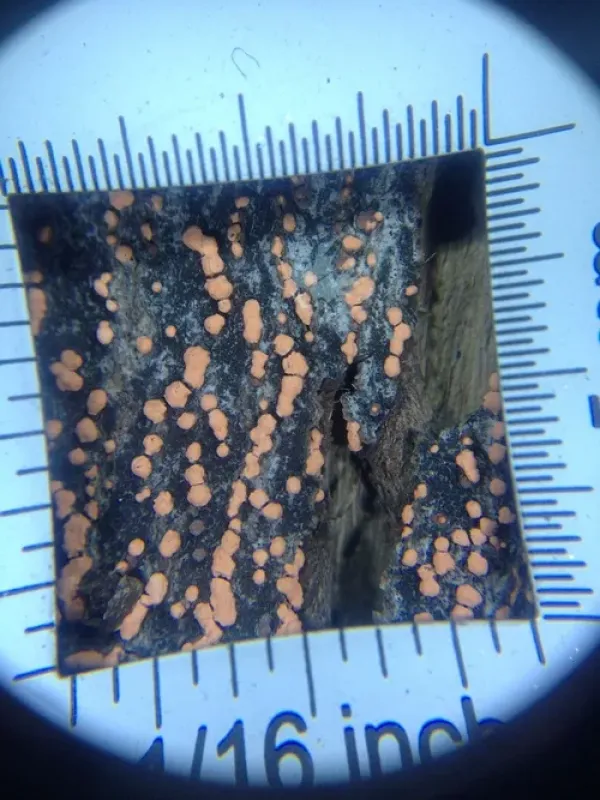
In high humidity, small pinkish or red fruiting bodies may appear on the surface of the cankers. These are the reproductive structures of the fungus, confirming the presence of an active Nectria infection.
When the bark is carefully peeled away from the affected area, the underlying wood often shows distinctive dark brown staining. This discoloration serves as a diagnostic feature of the depth of the fungal penetration.
Pathogen
The disease is caused by the fungus Nectria camelliae, an ascomycete pathogen that specifically targets woody tissues. It thrives in the cambium and phloem of camellia branches, disrupting the vital transport of water and nutrients.
The fungus produces spores (conidia) which are disseminated through splashing rain, wind, and contaminated tools. Once these spores land on wounded bark, they germinate and penetrate the internal tissues, initiating the infection.
It can persist as mycelium within infected twigs and branches, often remaining dormant during adverse conditions and reactivating when moisture levels rise. The pathogen is highly adapted to surviving in bark debris and decaying plant material.
The infection process involves the secretion of enzymes that break down cell walls, allowing the fungus to spread longitudinally through the branch. This gradual colonization is what makes the disease so persistent.
Research indicates that Nectria camelliae is highly opportunistic. It effectively exploits the physiological vulnerabilities of the host plant, often lingering for extended periods before external symptoms become visible.
Conditions for development
High humidity and poor air circulation are the primary drivers of Nectria development. Camellias grown in overcrowded, poorly ventilated garden spots are significantly more prone to persistent outbreaks.
Temperatures between 15°C and 22°C are ideal for the rapid growth of the fungus. Extended periods of wet weather provide the necessary moisture for spores to germinate and infect new healthy wood.
Mechanical damage is the main entry point for the pathogen. Injuries caused by improper pruning techniques, wind damage, or frost cracks significantly increase the risk of the fungus colonizing the plant.
Cultural practices that lead to plant stress, such as waterlogging or inadequate fertilization, make camellias highly susceptible. An stressed plant has a weakened defense system, making it unable to effectively compartmentalize the infection.
Lack of tool hygiene is a major contributing factor in the spread of the disease. Using the same secateurs for both healthy and infected wood without sterilization facilitates the rapid movement of the fungus across the collection.
Why it matters
The most immediate harm is the loss of aesthetic appeal as the branch dies back and foliage is shed. This can ruin the symmetry and form of the shrub, particularly in ornamental camellia plantings.
If left unmanaged, the necrosis can spread from the branches to the main trunk, which may lead to the total collapse of the plant. Such systemic infections are rarely recoverable and necessitate the removal of the entire specimen.
The disease depletes the resources of the camellia, leading to reduced flower production and stunted growth. The plant spends its energy attempting to heal the cankers rather than producing healthy blooms.
It creates an ongoing source of inoculum within the garden environment. As long as the infected material is not removed, it continues to release spores, putting all neighboring camellia plants at high risk of infection.
Necrosis also reduces the plant's overall hardiness. Affected areas are much more sensitive to winter freeze-thaw cycles, which can lead to further tissue damage and secondary infections.
Protection
The most critical control measure is the immediate excision of infected branches. It is essential to prune well into the healthy wood, at least 5–10 cm below the visible canker, to remove all fungal mycelium.
Strict tool hygiene is mandatory. Secateurs and saws must be disinfected after every cut using an alcohol-based solution or a bleach dip to prevent the transfer of spores to clean areas of the plant.
Applying copper-based fungicides during the dormant season and early spring can provide a protective barrier on the bark, preventing new infections from taking hold during wet periods.
Improving overall plant vigor is key to long-term prevention. Ensure that the camellia is planted in well-draining soil and that there is adequate space between shrubs to facilitate airflow and rapid drying after rain.
- Always conduct pruning during dry weather to minimize the risk of infection.
- Seal larger pruning wounds with a high-quality grafting wax or wound dressing.
- Regularly monitor the shrub for any signs of bark discoloration or oozing.
- Promptly dispose of all pruned material by burning or burying it away from the planting site.
Discussion
No discussions yet — be the first.