
Mytilinidion
Mytilinidion
Description
Symptoms
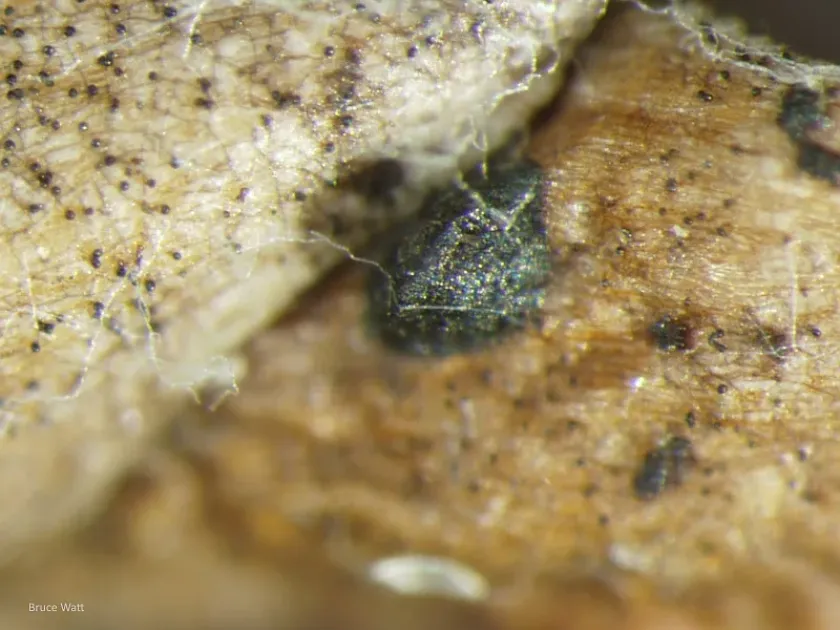
The presence of Mytilinidion is signaled by small, black, boat-shaped fruit bodies emerging through the outer layers of the bark.
Infected areas often exhibit surface discoloration, with the bark appearing rough, cracked, or unusually dull compared to healthy sections.
Early infections may manifest as a thin, dark, crust-like film that clings tightly to the bark surface, making it difficult to detect initially.
Symptoms are typically concentrated on the lower, shaded branches of trees where high humidity creates a stable environment for the fungus.
Advanced stages of colonization can lead to the peeling or premature shedding of bark, revealing deeper tissues that may also become affected.
Pathogen
Mytilinidion is a genus of fungi within the order Mytilinidiales, known for colonizing dead or stressed woody plant tissue.
The pathogen functions primarily as a saprotroph, though it can transition into an opportunistic parasite on compromised plant hosts.
The fungus is characterized by its distinct hysterothecia — black, elongated fruit bodies that develop on the surface of tree bark.
Reproduction occurs primarily through the dispersal of ascospores, which are spread by wind and moisture across favorable habitats.
Mycological studies define this genus by its structural adaptation to decaying organic matter on various tree species, particularly conifers.
Conditions for development
High relative humidity and frequent rainfall are the most critical environmental drivers for the development of Mytilinidion.
Dense, unpruned canopies that limit air circulation provide the stagnant, moist microclimate preferred by the fungal colonies.
Stress factors such as drought, previous mechanical damage, or heavy shading weaken the tree's defense mechanisms, facilitating fungal attack.
The fungus thrives in temperate climates, where seasonal shifts in temperature and moisture levels align with its reproductive cycle.
Overcrowded plantations significantly increase the risk of rapid disease spread as spores easily transfer between susceptible individuals.
Why it matters
While often classified as a saprotroph, Mytilinidion can cause significant physiological stress to ornamental and timber trees.
The fungus disrupts the integrity of the bark, interfering with the plant's ability to maintain optimal physiological functions.
Ongoing colonization can lead to the death of affected branches, reducing the overall vitality and growth rate of the tree.
In nursery settings, Mytilinidion is a concern due to the risk of cosmetic damage, rendering plant material unsuitable for commercial sale.
Continued exposure to the fungus weakens the tree's natural immunity, making it more vulnerable to secondary pests and pathogens.
Protection
Effective management begins with strict sanitation practices, including the removal and destruction of all branches showing fungal growth.
Proper pruning techniques are essential to improve canopy airflow, which reduces the moisture levels necessary for fungal survival.
Preventative applications of copper-based fungicides can help protect bark surfaces during periods of high humidity and spore release.
Strengthening the plant's vigor through balanced fertilization and correct watering helps it naturally resist opportunistic pathogens.
Regular visual inspections are vital for early detection, allowing for rapid intervention before the infection reaches a critical stage.
Discussion
No discussions yet — be the first.