
Myriangiaceae
Myriangiaceae
Description
Symptoms
The primary symptom includes the formation of dark, crust-like or wart-like growths on the bark of branches and trunks, often resembling black lichens or corky scabs.
As the disease progresses, the affected bark becomes brittle and develops deep fissures, leading to the premature necrosis of surface tissue layers.
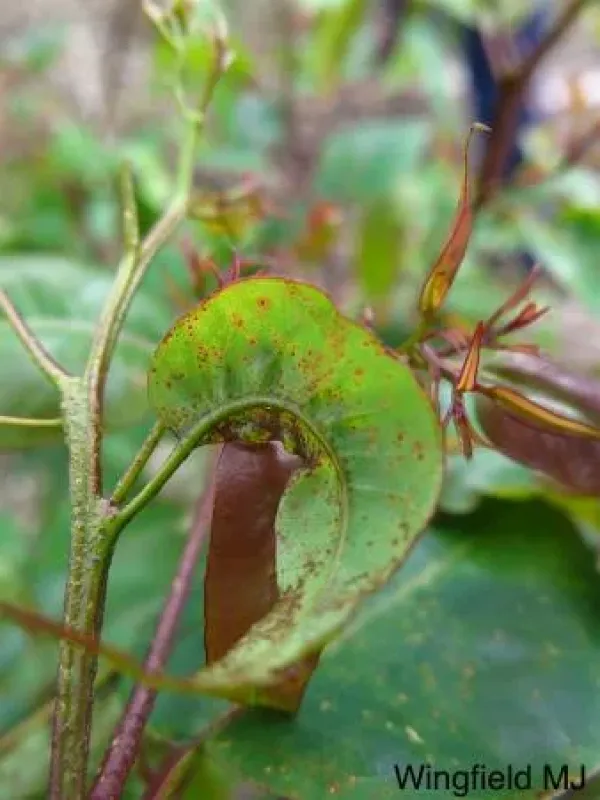
Leaves may exhibit chlorotic spots that eventually darken and develop a spore-bearing layer. Severe infection leads to leaf deformation and premature leaf drop.
Infected fruits often display depressed lesions with a dense, corky texture, which significantly diminishes their market value and shelf life.
A typical sign of advanced infection is the stunted growth of specific branches, leading to dieback and the eventual death of the affected limb.
Pathogen
The disease is caused by fungi belonging to the Myriangiaceae family, which are classified as ascomycetes. These parasites are known for developing specialized fruiting bodies called ascostromata directly within the host plant tissues.
These pathogens often act as specialized parasites, frequently associated with scale insects. The fungal mycelium penetrates deeply into the bark and cambium, making it a persistent and difficult condition to manage in woody plants.
The pathogen's life cycle is closely linked to the host's physiological state. The fungus reproduces through spores, which are disseminated by wind, rain splashes, and insect movement throughout the orchard.
The ascospores are capable of surviving in dead bark or plant debris for extended periods, ensuring a reservoir of infection that can initiate new disease cycles each growing season.
Chronic infestation is common, as the fungus gradually depletes the host's metabolic energy and compromises its structural integrity over time.
Conditions for development
The development of Myriangiaceae fungi is highly favored by high humidity levels and moderate temperatures, which create optimal conditions for spore germination.
Poor orchard sanitation and overcrowding prevent adequate air circulation within the canopy, creating a stagnant microclimate that encourages fungal proliferation.
Plants that are already stressed due to poor nutrition, extreme weather, or insect infestations are significantly more susceptible to colonization by these fungi.
Inadequate agricultural practices, such as the failure to perform annual sanitation pruning, allow the infection to spread rapidly across the plantation.
Insects, particularly those that feed on bark, act as vectors, mechanically transferring spores from diseased trees to healthy ones during their life cycle.
Why it matters
The primary damage occurs due to the obstruction of vascular tissues, which impairs the transport of nutrients and water throughout the plant.
The pathogen severely exhausts the plant's resources, resulting in lower yields and significantly reduced quality of the harvested produce.
Prolonged infection decreases the cold hardiness of the host, making it more vulnerable to frost damage and winter-related dieback.
In commercial orchards, this disease can lead to significant economic losses as the trees lose vigor and fail to produce marketable quality fruit over multiple seasons.
The disease also weakens the plant's overall immune response, rendering it more susceptible to secondary pathogenic infections that further complicate plant management.
Protection
The most effective strategy involves rigorous sanitation pruning, where all infected branches are removed and destroyed outside the growing area.
Control of insect vectors, particularly scale insects, is essential because they create favorable conditions and entry points for the fungal mycelium.
Early spring applications of copper-based fungicides before bud break can significantly reduce the initial spore population on the tree bark.
Maintaining proper planting densities and regular canopy thinning promotes air circulation, which helps inhibit the establishment and growth of fungal colonies.
Routine monitoring of orchard health is crucial for early detection, allowing for localized treatments to prevent the disease from becoming a widespread problem.
Discussion
No discussions yet — be the first.