
Brown leaf spot of pecan
Mycosphaerella caryigena
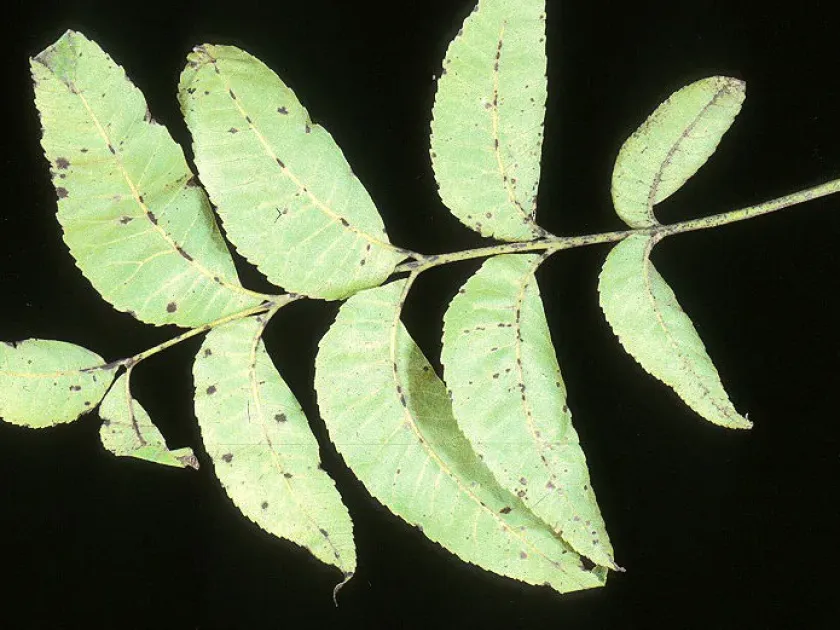
Description
Symptoms
The first symptoms of brown leaf spot are small, reddish-brown to dark brown spots that appear on the upper surface of the leaflets. These lesions tend to enlarge, often becoming irregular in shape as the infection spreads.
Tiny black fruiting bodies of the fungus, known as pseudothecia, may emerge in the center of these lesions. As the infection progresses, large areas of the leaf surface become necrotic and turn brittle.
Severe infestations cause leaves to curl, dry out, and drop prematurely from the tree. Besides leaves, the fungus can also affect the rachis and petioles, leading to further weakening of the foliage structure.
The visual pattern of the spots is distinct, often allowing for early field identification. In humid conditions, the lesions may coalesce, leading to extensive leaf tissue death and visible thinning of the canopy.
Young, rapidly growing shoots are particularly susceptible, showing severe spotting that can stunt leaf development. Observing these patterns helps orchard managers track the severity and timing of the disease outbreak.
Pathogen
The disease is caused by the fungus Mycosphaerella caryigena, which is highly specific to the Carya genus, primarily infecting pecan trees. It is a significant pathogen that can cause chronic issues in commercial nut production.
The fungus overwinters primarily in infected leaf debris on the orchard floor. With the arrival of spring rains, spores are released and dispersed by wind and water splashes to newly emerging leaves.
The life cycle involves both an asexual and sexual phase, which allows the fungus to propagate rapidly during the growing season. Primary infections are typically established on early leaves, creating a foundation for secondary cycles.
Upon germination, the fungus enters the host through stomata or directly through the cuticle. Once inside, the mycelium colonizes the mesophyll, eventually causing the visible symptoms associated with the disease.
Environmental plasticity of the pathogen is a key factor in its persistence. Its ability to adapt to varying temperatures ensures its survival across diverse pecan-growing regions, posing a continuous threat to tree health.
Conditions for development
The development of brown leaf spot is heavily dependent on moisture and humidity. Frequent rainfall, high humidity, and overcast skies provide the perfect environment for spore germination and infection.
Temperatures ranging from 20°C to 25°C are optimal for the fungus to spread rapidly. Extended periods of leaf wetness, such as prolonged morning dew or persistent fog, significantly increase the infection rate.
Orchards with high tree density often have poor air circulation, which traps moisture within the canopy. This microclimate creates ideal conditions for the pathogen to thrive and spread throughout the grove.
Poor orchard hygiene, particularly leaving large amounts of leaf litter, provides an abundant source of inoculum for the following season. Proper spacing and pruning are essential to mitigate these favorable environmental conditions.
Weather patterns that include frequent thunder showers during late spring and summer often precede severe outbreaks. Effective management must account for these environmental variables to prevent canopy-wide infection.
Why it matters
The primary impact of brown leaf spot is the premature defoliation of the tree. Loss of healthy leaves significantly reduces the tree's photosynthetic capacity, affecting its overall vigor and energy storage.
Trees affected by the disease produce smaller, lower-quality nuts with diminished kernel fill. This directly impacts the market value and profitability of the pecan harvest for the grower.
Cumulative damage over several years depletes the tree's carbohydrate reserves, making it more vulnerable to winter cold injury and other secondary pathogens. In severe cases, tree decline and branch dieback can occur.
The need for intensive chemical control programs to manage the disease increases the operational costs of the orchard. This adds financial pressure to the nut production business, especially in high-humidity years.
Furthermore, an infected orchard serves as a reservoir for spores, creating a risk for adjacent healthy plantations. Long-term productivity suffers when management strategies fail to keep the disease at sub-economic levels.
Protection
Sanitation is the cornerstone of control. Removing and destroying fallen leaf litter during the winter helps eliminate the primary source of the fungus, significantly reducing inoculum levels for the next season.
Pruning to open the canopy improves airflow and allows leaves to dry faster after rain, which limits the period of leaf wetness required for fungal infection. This promotes a healthier microclimate within the tree.
Fungicide applications, particularly those containing copper, are effective when applied at the right time. Timely spraying based on weather forecasts and disease monitoring is crucial for successful management.
Choosing resistant or less susceptible cultivars is a strategic long-term approach to manage brown leaf spot. Selecting varieties suited to local conditions can drastically reduce the need for synthetic control measures.
- Regular monitoring of canopy health.
- Implementation of autumn orchard cleanup programs.
- Strategic use of protective fungicides.
- Improving site drainage to reduce ambient humidity.
Discussion
No discussions yet — be the first.