
Garlic parachute
Mycetinis scorodonius
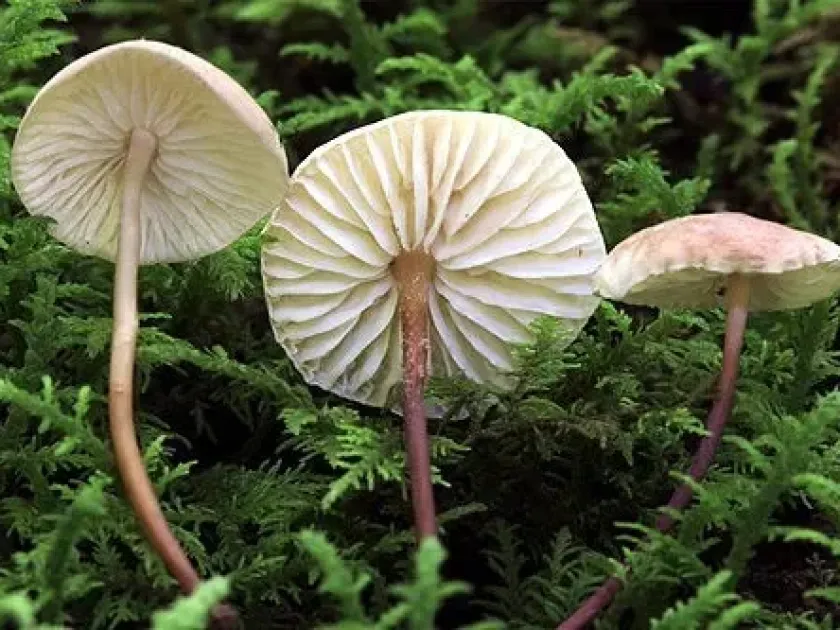
Description
Pathogen
The garlic parachute, scientifically known as Mycetinis scorodonius, is not a plant pathogen. It is a strictly saprotrophic fungus that thrives on decaying organic matter rather than living plant tissues.
Unlike parasitic fungi that cause crop diseases, this species plays a beneficial role in the environment by breaking down complex plant polymers. It acts as a natural decomposer in forest floors and gardens.
The mycelium of this fungus is specialized in colonizing dead twigs, needles, and leaf litter. It does not infect the roots, stems, or leaves of healthy agricultural crops or ornamental plants.
The distinctive garlic scent is a result of chemical compounds containing sulfur. This feature is a unique identification characteristic, ensuring it is not mistaken for pathogenic species that might require treatment.
Agronomists should view the presence of this fungus as a indicator of organic decomposition processes in the soil. It signifies that there is enough substrate for saprotrophs to function, contributing to long-term soil fertility.
Conditions for development
Mycetinis scorodonius requires high humidity and moderate temperatures to thrive. It is most commonly found in shaded areas where moisture persists within the mulch or soil surface layer.
The fungus develops primarily during wet seasons when precipitation levels are high. It is sensitive to drought, which forces the mycelium into dormancy until favorable conditions return.
It prefers acidic environments and organic-rich substrates. The presence of dense plant debris, such as leaf piles or unmanaged brush, provides the ideal foundation for its colonisation.
Cultural practices that involve regular tilling or removing excess plant debris can suppress the growth of this fungus. Mechanical disturbance breaks the mycelial networks that form within the debris layer.
Proper field and garden hygiene, such as incorporating crop residues into the soil or composting, will minimize the localized buildup of decaying material that supports this fungus.
Discussion
No discussions yet — be the first.