
Muyocopron leaf spot
Muyocopron
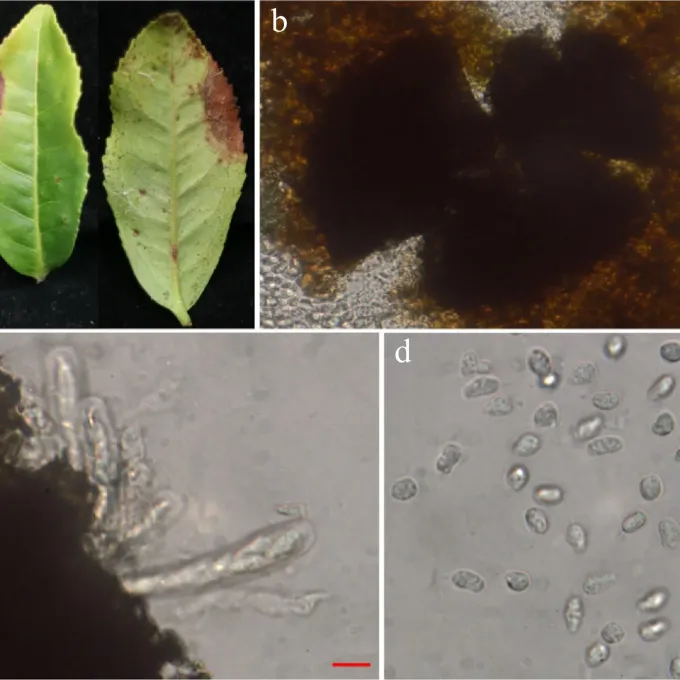
Description
Symptoms
The key symptom of the disease is the appearance of specific dark, almost black spots on the leaf blades. These spots are often circular and may be surrounded by a chlorotic halo, indicating the plant's physiological response to the fungal impact.
In the center or along the periphery of the spots, one can observe the formation of flat, dark fungal fruiting bodies. Under a magnifying glass, they appear as small, slightly raised plaques on the leaf surface.
In high humidity conditions, these spots can coalesce, leading to extensive necrotic zones. This results in premature yellowing and deformation of the leaf blade, significantly reducing the total photosynthetic area.
The infection is not limited to leaves; under conditions favorable to the pathogen, the disease can spread to young shoots and petioles, causing them to wither gradually.
In the early stages, the signs of the disease are easily confused with other fungal leaf spots; however, the presence of these distinct shield-like structures is a primary diagnostic indicator.
Pathogen
The disease is caused by the microscopic fungus Muyocopron, which belongs to the Dothideomycetes class. This organism primarily acts as an epiphyte or a weak parasite, colonizing the surface tissues of various plant species.
Fungi of the genus Muyocopron are characterized by the formation of specific fruiting bodies known as thyriothecia. These structures have a shield-like shape and adhere tightly to the surface of the infected plant organ, which hinders the penetration of chemical treatments into the plant tissue.
The pathogen's life cycle is closely linked to humidity, which is essential for the release of ascospores. During its development, the fungus produces a mycelium that can penetrate the leaf cuticle, causing localized changes in epidermal cells.
The biological specialization of the species allows it to survive on plant debris, making it a primary reservoir of infection between seasons. Spores are spread by wind, rain splashes, or contact with contaminated tools.
The taxonomy of this genus is continuously being updated, as the morphological characteristics of the fruiting bodies often overlap with other fungi that cause various types of spotting.
Conditions for development
The development of the disease depends directly on the hydrothermal parameters of the environment. Optimal conditions for spore germination include temperatures ranging from +18°C to +25°C combined with high relative humidity.
Frequent rainfall, fog, and the presence of dew on plants during morning hours create an ideal microenvironment for the fungus to colonize plant tissues. Stagnant air in dense plantings facilitates rapid spore dispersal among neighboring plants.
Lack of sunlight, caused by overcrowding or excessive shading, significantly increases the risk of an epiphytotic outbreak. Plants weakened by adverse environmental factors become more susceptible to invasion.
Failure to follow agronomic practices, such as untimely fertilization or the lack of sanitary pruning, creates a favorable background for pathogen accumulation within the agroecosystem.
Agricultural machinery moving through contaminated areas contributes to the mechanical transport of conidia to healthy sections of the field, effectively expanding the infection zone.
Why it matters
The primary damage caused by Muyocopron lies in the reduction of photosynthetic intensity due to the destruction of a significant portion of the foliage. This leads to stunted growth and hampered development of the crop as a whole.
In cases of severe infestation, premature leaf drop is observed, which negatively impacts the accumulation of nutrients in fruits or root crops. This results in the loss of commercial quality and a decrease in total yield.
Chronic infection weakens the plant's immune system, making it vulnerable to secondary infections and pest attacks, which further complicates the phytosanitary situation.
For ornamental crops, the development of the disease implies a total loss of aesthetic value, as the spotting disfigures the leaves and reduces market demand for the products.
Economic losses arise not only from the loss of a portion of the harvest but also from the expenses incurred during additional fungicidal treatments often required to prevent plant mortality.
Protection
Prevention starts with strict adherence to crop rotation and the destruction of plant debris, which serves as the primary source of fungal spores. Deep plowing of the soil contributes to the rapid decomposition of infected material.
It is recommended to choose varieties and hybrids resistant to fungal diseases and to ensure optimal planting density to prevent excessive moisture in the root and canopy zone.
- Regular sanitary pruning of infected leaves and shoots.
- Ensuring proper ventilation in greenhouses and polytunnels.
- Application of balanced mineral fertilizers to boost plant immunity.
If initial symptoms are detected, the use of broad-spectrum fungicides is advisable. Copper-based products and systemic fungicides that block mycelial development have shown high efficacy.
A crucial element of the protection system is the monitoring of crop health. Timely execution of protective measures allows for halting the spread of the infection at early stages, thereby minimizing potential losses.
Discussion
No discussions yet — be the first.