
Mucoraceae
Mucoraceae
Description
Symptoms
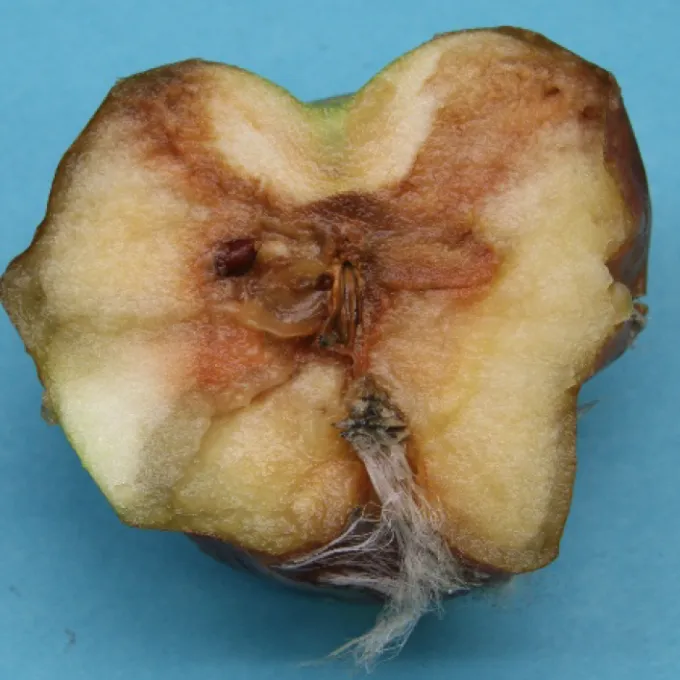
The most visible symptom is the rapid appearance of white, fluffy, cotton-like mycelial growth on the surface of fruits, vegetables, or stored products.
As the fungi reach maturity, they produce masses of dark-colored sporangia, turning the white mat into a grey, brown, or black appearance.
Infected plant tissues undergo rapid decay, losing their cellular structure and becoming soft, watery, and often emitting a characteristic fermented odor.
Unlike some other fungal infections, the rotting process caused by Mucoraceae is extremely fast, often transforming a whole fruit into a liquid mass in just days.
Under humid conditions, the mycelium can cover the entire surface of a fruit, forming a thick layer that anchors the fungus firmly to the substrate.
Pathogen
The disease is caused by fungi belonging to the Mucoraceae family, often referred to as bread molds or pin molds, which are part of the Mucorales order.
These organisms are typically saprophytic, thriving on decaying organic matter in soil, but they can easily become aggressive opportunistic pathogens.
They are characterized by a rapidly growing, non-septate mycelium that can penetrate various substrates with high efficiency using digestive enzymes.
Reproduction is primarily asexual, involving the formation of sporangia packed with thousands of spores which are easily dispersed by wind or physical contact.
The resilience of their spores allows these fungi to survive extreme environmental conditions, ensuring their presence in almost every agricultural environment.
Conditions for development
High relative humidity, typically exceeding 85–90%, is the primary factor that triggers the rapid development and spread of these fungi.
The optimal temperature range for the metabolism and growth of Mucoraceae species is between 20°C and 30°C, typical for room storage.
Damage to the outer epidermis of crops, caused by harvesting machinery, insects, or rough handling, provides a direct entry point for the fungus.
Poor ventilation in storage facilities creates micro-environments where stagnant, humid air promotes the germination of fungal spores deposited on surfaces.
Condensation caused by fluctuating temperatures in transport containers serves as an ideal medium for the rapid germination of spores and mycelial growth.
Why it matters
Mucoraceae cause significant post-harvest losses, particularly in perishable commodities like berries, stone fruits, and succulent vegetables stored in bulk.
The infection spreads through direct contact, where healthy fruit touching an infected one is quickly colonized, leading to extensive "nesting" rot.
The economic impact is substantial, as entire batches of harvested goods can be rendered worthless and must be discarded, increasing costs for producers.
Contaminated produce poses health risks, as some species produce mycotoxins that can be harmful if consumed by humans or livestock.
Beyond direct loss, the rapid rate of spoilage complicates logistics, requiring specialized storage conditions and shortening the shelf life of produce.
Protection
Sanitation is the cornerstone of control, requiring thorough cleaning and disinfection of storage facilities, crates, and transport vehicles before use.
Maintaining a strictly controlled environment with effective air circulation and humidity management is crucial to prevent the conditions that favor mold.
Careful handling during harvest is essential to minimize bruising and cuts, which are the most common entry points for the fungal infection.
Regular inspection of stored goods and prompt removal of any infected produce is necessary to prevent the spread of the fungus to neighboring fruits.
Implementing effective pest management programs during the growing season reduces the number of physical wounds on crops, lowering the risk of infection.
Discussion
No discussions yet — be the first.