
Mucor rot
Mucor piriformis
Description
Symptoms
The initial sign of Mucor rot is the development of soft, water-soaked spots on the fruit surface. These lesions expand rapidly, often causing the fruit to become mushy and lose its structural integrity within a few days.
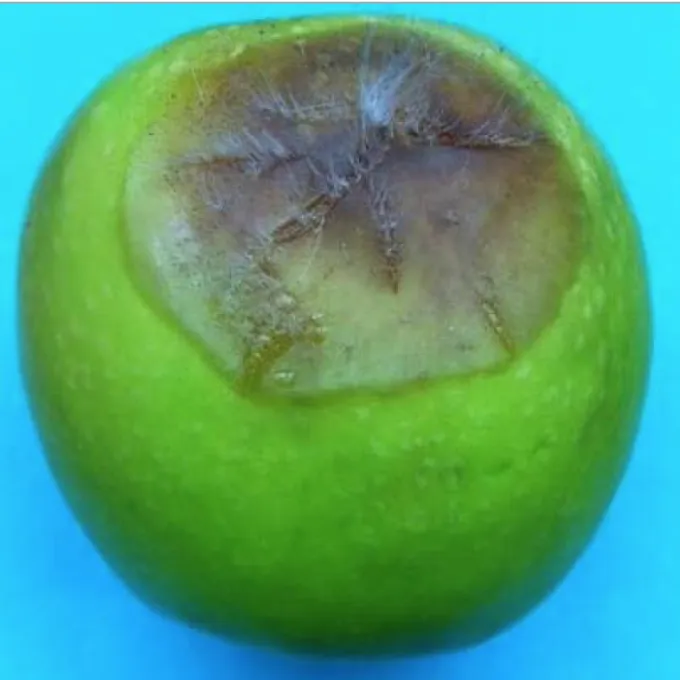
A distinctive diagnostic feature is the development of thick, fluffy fungal growth that resembles white cotton wool. As the fungal spores mature, this growth typically transitions to a grey or dark brown, dusty appearance.
Internally, the infected tissue breaks down into a liquefied, macerated mass. This tissue degradation is often accompanied by a distinct, pungent fermentation odor, which helps distinguish it from other types of fruit rots.
The disease spreads in a characteristic nest-like pattern, where the fungus moves from an initially infected fruit to adjacent ones, causing localized pockets of decay throughout a bin or a shipping container.
On advanced stages of the disease, the entire fruit is completely overtaken by the mycelial mass, often leaking fluid that can spread spores to even more fruits, leading to heavy losses if left unchecked.
Pathogen
The causal agent of Mucor rot is the fungus Mucor piriformis, a member of the Zygomycota division. It is a widespread soil-borne saprophyte that can opportunistically infect plant tissues, acting as a parasite when fruits are weakened or damaged.
The fungus is characterized by its rapid mycelial growth and massive production of spores within sporangia. These spores are easily disseminated by air currents, water splashes, and insects, facilitating the rapid spread of the pathogen in orchards and storage facilities.
Infection primarily occurs through wounds on the fruit surface, such as punctures, bruises, or cracks. Once inside, the fungus secretes enzymes that decompose plant tissue, allowing it to penetrate deeper and consume the fruit's nutrients.
Mucor piriformis is unique because it can grow effectively at cool temperatures, making it a particularly troublesome pathogen for cold-stored commodities. This ability allows the disease to progress even in optimal storage conditions if sanitation is poor.
The fungus persists in the soil as resilient spores, which can remain viable for extended periods. This persistence makes soil a constant reservoir for primary infection, especially for low-growing or wind-fallen fruits.
Conditions for development
High relative humidity, typically exceeding 80–90%, is the primary environmental factor that triggers the rapid development of Mucor rot. The presence of free water or condensation on fruit surfaces is essentially a catalyst for spore germination.
Although the fungus thrives between 10°C and 20°C, it remains metabolically active at lower temperatures. This makes it a serious threat in cold storage environments where other pathogens might be dormant, yet Mucor piriformis persists.
Mechanical damage is the most critical predisposing factor. Skin injuries, such as stem punctures, insect feeding, or hail damage, provide a direct entry point for the fungus, bypassing the fruit's natural defense mechanisms.
Poor ventilation in storage facilities is a major contributor to the disease's spread. Stagnant air leads to increased humidity and temperature fluctuations, which favor the fungal growth and spore release within the environment.
Contamination by soil is also a significant factor. Fruits that have come into direct contact with the ground during harvest are much more likely to carry the inoculum into the storage facility, starting a cycle of infection.
Why it matters
The economic impact of Mucor rot is substantial, as it leads to the total loss of marketable fruit. Once a batch is infected, the rapid nature of the spread often requires discarding significant quantities of product.
The disease creates logistical challenges, as it necessitates intensive inspection and sorting procedures. This increases labor costs and complicates the management of fresh produce inventory during the off-season.
There is no practical post-harvest chemical cure for the disease once established; therefore, prevention is the only viable approach. The degradation caused by the fungus renders the fruit completely unsuitable for any commercial use.
The presence of the disease in storage can damage the reputation of the grower or packer, potentially affecting future business opportunities and market trust in the quality of the provided agricultural goods.
Because the disease can manifest after the fruits have been placed in storage, it represents a hidden financial risk, turning potentially profitable harvests into liabilities if the correct preventative measures are not taken.
Protection
Preventative measures begin in the orchard, focusing on careful harvesting techniques to avoid bruising or skin punctures. Handling fruits with care is the most effective barrier against infection.
Sanitation is paramount; this includes cleaning and disinfecting harvest equipment, bins, and storage rooms. Removing debris and infected fruits from the orchard and sorting areas reduces the overall inoculum level.
Maintaining optimal storage conditions, including steady low temperatures and controlled humidity with adequate airflow, is essential to minimize the development and spread of Mucor piriformis.
Fungicide applications during the growing season can serve as a supplementary defense, particularly in regions or years where high moisture and weather conditions favor the development of fungal pathogens.
- Thoroughly sort fruits to remove damaged or overripe specimens.
- Avoid placing fruit directly on the ground during harvest.
- Ensure rapid cooling of harvested fruit to remove field heat.
- Implement strict sanitation protocols for all storage facilities.
Discussion
No discussions yet — be the first.