
Mucor amphibiorum
Mucor amphibiorum
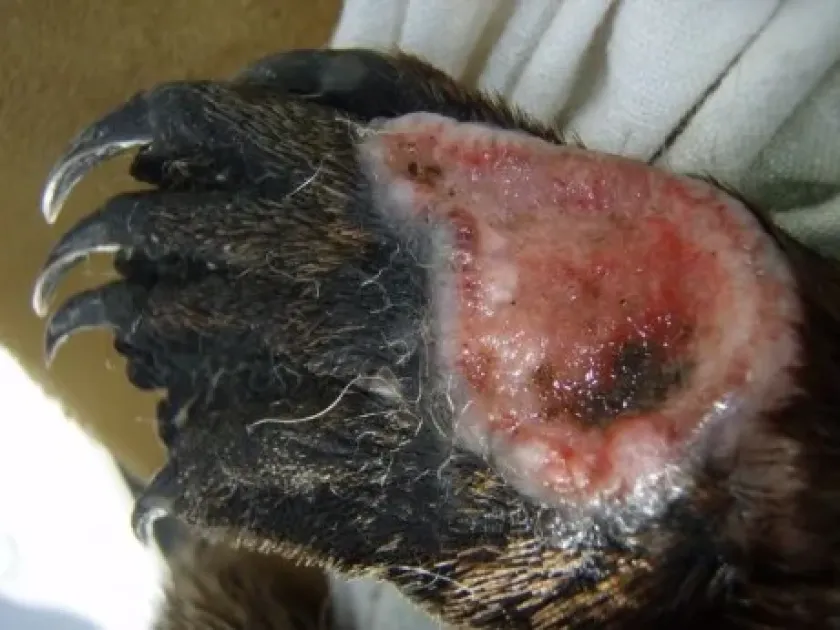
Description
Pathogen
The causative agent of the disease is the microscopic mold fungus Mucor amphibiorum. This organism belongs to the phylum Zygomycota and is known for its opportunistic parasitic lifestyle.
Biologically, the fungus is characterized by rapid growth and the formation of extensive mycelial networks. It produces large quantities of spores within sporangia, allowing it to colonize new substrates quickly.
While often associated with mycoses in amphibians, in the agricultural context, it acts as a decomposer that can opportunistically infect weakened or damaged plant tissues.
The resilience of its spores allows the fungus to persist in soil and organic debris for extended periods, making it a persistent challenge in protected growing environments.
Genetic analysis shows that the species is closely related to other common soil-borne molds, possessing specific adaptations that enable it to thrive in high-humidity habitats.
Conditions for development
The development of Mucor amphibiorum is strictly tied to high humidity levels and water-logged conditions. Moist substrates provide the perfect medium for spore germination and mycelial spread.
Temperature plays a significant role, with moderate ranges typically found in greenhouses being ideal for the fungus to complete its life cycle and produce new infectious spores.
Accumulations of plant debris and dead organic matter serve as a primary reservoir for the pathogen, allowing it to build up a significant population before spreading to living crops.
Poor ventilation and restricted airflow prevent the drying of surfaces, maintaining a consistent microclimate that is conducive to the growth and propagation of mold colonies.
Mechanical damage to plant stems or roots creates entry points for the fungal hyphae, which rapidly exploit the exposed nutrients of the weakened host tissues.
Why it matters
The primary damage caused by Mucor amphibiorum involves the soft rot of vegetable tissues and seedlings, leading to reduced germination rates and crop stand thinning.
Root system infections interfere with the plant's nutrient uptake, causing symptoms of wilting, stunted development, and overall loss of plant vigor during critical growth stages.
Harvested crops are highly susceptible to spoilage during storage if they were exposed to high moisture, with the fungus causing rapid degradation of quality and visual appeal.
In greenhouses, severe outbreaks can lead to significant economic losses due to the need for crop removal and the high cost of implementing corrective sanitization measures.
The presence of the fungus can also alter the soil microbiome, potentially suppressing beneficial microflora and negatively impacting long-term soil health and productivity.
Protection
Effective management begins with strict agronomic practices focusing on irrigation control to prevent water-logging and maintaining dry surface conditions where possible.
Regular sanitation of the growing area, including the removal of dead plants and organic waste, is essential to minimize the primary inoculum load within the environment.
Improving greenhouse ventilation and air circulation is crucial to reducing relative humidity and creating an unfavorable environment for mold development and spore production.
Fungicide application may be utilized as a protective or curative measure, depending on the stage of the infection and the specific crop requirements outlined in agricultural guidelines.
Sourcing high-quality, disease-free seeds and using appropriate seed treatments can provide a necessary layer of protection, ensuring plants establish robustly against potential pathogens.
Discussion
No discussions yet — be the first.