
Morel
Morchella esculenta
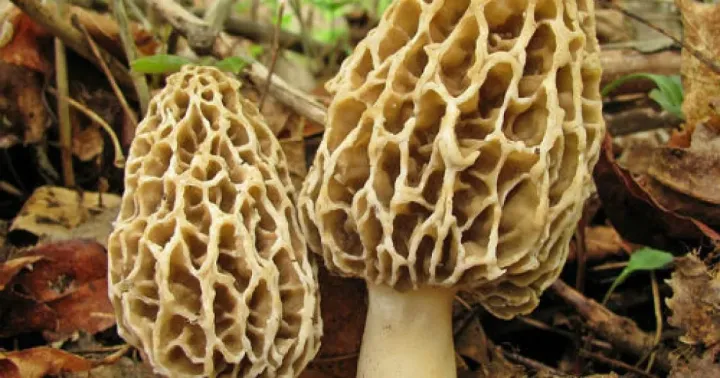
Description
Pathogen
The Morel (Morchella esculenta) is an ascomycete fungus and is absolutely not a plant disease or pathogen. It is a saprotrophic organism that plays a vital role in organic decomposition within forest and garden ecosystems.
It does not infect living plant tissues, nor does it cause rot, blight, or wilt in crops. Treating it as a disease is a common misunderstanding in amateur gardening circles.
The fungus feeds on decomposing organic matter, effectively recycling carbon and nutrients back into the soil, which supports plant health rather than hindering it.
Morphologically, Morchella esculenta is characterized by its honeycomb-like cap and hollow stem, which distinguishes it from many other fungal species found in agricultural settings.
The life cycle of the Morel is complex, involving mycelial networks that thrive in the topsoil, interacting with organic debris without attacking living roots.
Conditions for development
Morels thrive in temperate climates during the spring, requiring high soil moisture levels and stable, cool to mild temperatures to trigger the development of their fruiting bodies.
They are commonly found in deciduous forests, near riverbanks, and in well-drained soils rich in organic content or decaying woody debris.
In agricultural or garden environments, they tend to appear on soils that have been left undisturbed and are not subjected to harsh chemical applications like synthetic fungicides.
The availability of phosphorus and calcium in the soil is often linked to the successful colonization and fruiting of this species, making them common in old, established landscapes.
Fluctuating spring weather conditions, including rain followed by sunshine, are the primary drivers for the rapid emergence of Morels from their underground mycelial state.
Why it matters
There is no evidence of harm caused by Morchella esculenta to any agricultural crops, ornamentals, or trees. It does not compete for nutrients in a way that affects crop yield.
Its presence is actually a positive ecological indicator, suggesting that the soil is healthy, biologically diverse, and free from excessive pesticide residues.
Because they are not pathogenic, gardeners do not need to worry about the spread of "infection" to vegetables, fruits, or flowers.
Unlike parasitic fungi that create lesions or inhibit photosynthesis, the Morel lives in harmony with the surrounding vegetation, benefiting from the humus that plants help create.
In essence, the Morel is a benign and highly prized gastronomic resource that can coexist perfectly well with intensive plant production systems.
Protection
No control measures are necessary, as Morels are not plant pests or disease-causing agents. Using fungicides against them is wasteful and detrimental to soil health.
If their presence is undesirable in a specific garden bed for aesthetic or maintenance reasons, simply removing the fruiting bodies before they release spores is effective.
Regular soil cultivation or mechanical aeration can disrupt the mycelial mat, which typically leads to a decline in mushroom production in that specific area.
Improving drainage can also reduce the moisture levels required for fruiting, making the environment less favorable for the mushroom to emerge.
The best practice is to appreciate their presence as a sign of soil quality and focus management efforts on protecting crops from actual pathogens rather than harmless mushrooms.
Discussion
No discussions yet — be the first.