
Miltideosis
Miltidea
Description
Symptoms
The primary clinical sign of miltideosis is the development of necrotic spots on the leaves. These spots usually appear chlorotic at first and gradually transition to brown or black as the tissue dies, often surrounded by a distinct darkened border.
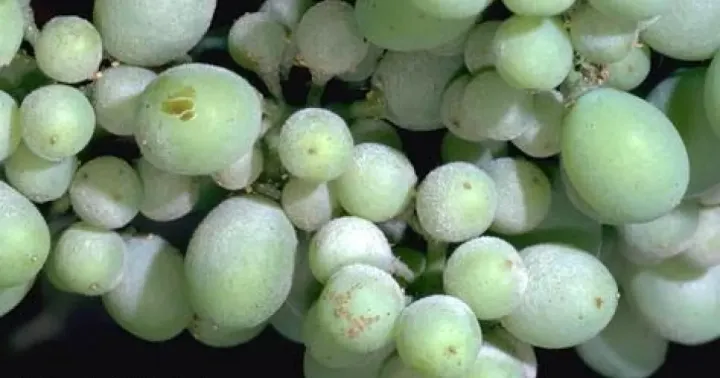
Visible fungal growth, known as sporulation, may appear on the underside of leaves or within the necrotic areas during periods of high humidity. This fine, sometimes dusty-looking layer acts as a visual indicator of the disease's active propagation phase.
Young shoots frequently exhibit signs of deformation or stunted growth. Severe infections lead to the premature wilting and abscission of leaves, which significantly reduces the photosynthetic capacity of the affected plant.
Fruit symptoms include sunken, decayed lesions that negatively affect the fruit's appearance and storage life. These lesions often serve as entry points for secondary saprophytic organisms, which further accelerate the decay process.
Internal symptoms involve the browning of vascular tissues, which can impede the transport of water and nutrients throughout the plant, leading to a general decline in the host's physiological health.
Pathogen
Miltideosis (lat. Miltidea) is a fungal plant disease caused by pathogens within the Miltidea genus. This disease is characterized by its specific host range, primarily targeting woody plants and shrubs, where it acts as an obligate or facultative parasite.
The pathogen propagates through the production of conidia, which are easily disseminated by wind currents, splashing rain, or insect vectors. Upon landing on a suitable host surface, the spores germinate and initiate the infection process by penetrating the plant tissues.
The fungal mycelium spreads systemically within the intercellular spaces of the plant. By secreting specific enzymes and toxins, the pathogen breaks down plant cell walls, leading to the characteristic localized lesions that define the disease.
Overwintering of the pathogen occurs within infected plant debris, fallen leaves, or sheltered areas on the plant bark. As temperatures rise in the spring, the fungus reactivates, completing its life cycle and beginning the next round of primary infection.
Studies on the Miltidea genus highlight its high level of phenotypic plasticity, which enables the pathogen to adapt effectively to diverse climatic conditions and occasionally bypass the natural resistance mechanisms of certain plant varieties.
Conditions for development
The development and spread of miltideosis are strictly governed by humidity levels. Prolonged periods of rainfall or consistent high atmospheric moisture create the essential environment for spore germination and colony establishment.
Poorly ventilated growing areas, such as overcrowded orchards or dense greenhouse setups, provide the necessary microclimate for the disease. Stagnant air keeps foliage wet for longer periods, drastically increasing infection rates.
Lack of proper solar exposure is another contributing factor. Sunlight acts as a natural abiotic stressor for the fungus; therefore, areas of the plant canopy that remain shaded for long periods are typically the first to show infection symptoms.
Excessive nitrogen fertilizer application often results in an abundance of soft, nutrient-rich tissues that are highly susceptible to fungal penetration. A balanced nutrient regime is critical to maintaining robust plant cell walls.
Optimal disease development occurs in moderate temperature ranges, typically between 18 and 22 degrees Celsius. During these climatic windows, proactive monitoring is required to prevent large-scale outbreaks.
Why it matters
The economic harm caused by miltideosis is primarily linked to significant yield losses. Because the plant must redirect resources to defend itself against the infection, energy stores are depleted, leading to reduced overall productivity.
Quality degradation is a major concern for commercial producers. Fruit infected with miltideosis loses its market value due to cosmetic flaws and an increased risk of spoilage, making it unsuitable for fresh market sales or long-term storage.
Multi-year infections can lead to the gradual decline of perennial plants. The cumulative stress weakens the plant’s immunity, making it more susceptible to environmental extremes like drought or winter freeze, potentially resulting in plant death.
Increased operational costs arise from the necessity of frequent fungicide applications to contain the spread. This management burden affects the profit margins of commercial farming operations significantly.
The disruption of normal vegetative cycles can also impact the long-term vitality of the orchard, requiring premature replanting, which represents a substantial capital investment for the grower.
Protection
A successful integrated pest management approach for miltideosis begins with rigorous sanitation. Collecting and destroying all fallen leaves and infected plant parts reduces the primary inoculum load for the following season.
Proper pruning techniques are essential to ensure adequate airflow and sunlight penetration within the canopy. These practices reduce the time foliage remains damp, creating a less hospitable environment for the fungus.
Chemical control, when necessary, should involve the strategic use of fungicides. Applications are most effective when timed according to environmental forecasts and the appearance of the first symptoms.
Strengthening the host's natural defenses through balanced fertilization and stress reduction is a key preventative measure. Healthy, well-nourished plants are demonstrably more resilient to the initial stages of Miltidea invasion.
- Regular application of preventative fungicide sprays during the spring season.
- Sanitation through the removal and burning of infected branches and litter.
- Canopy management to ensure good ventilation and light penetration.
- Selection of resistant or tolerant cultivars for new plantings.
- Strict sterilization of pruning equipment to prevent cross-contamination between plants.
Discussion
No discussions yet — be the first.