
Milesinaceae rust fungi
Milesinaceae
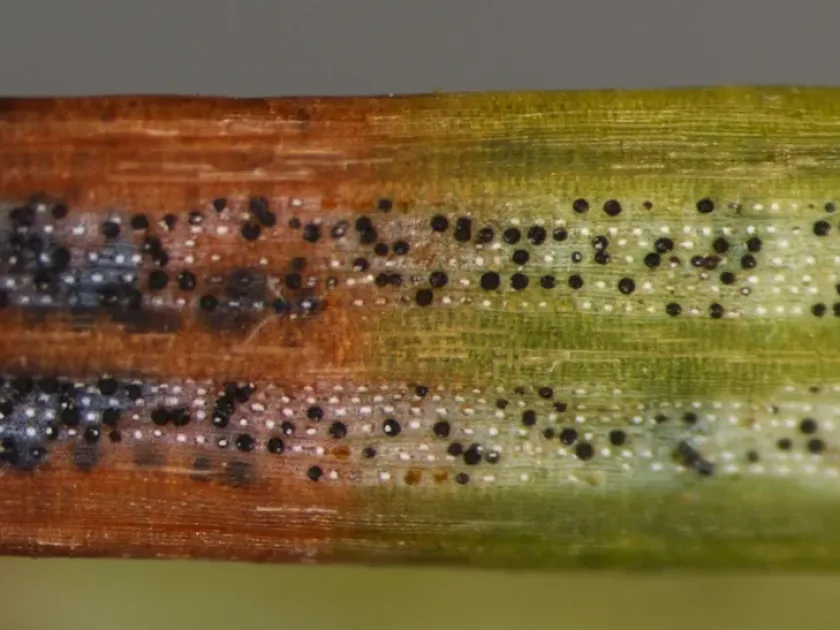
Description
Symptoms
The main external manifestation of the activity of Milesinaceae family fungi is the appearance of characteristic pustules on the underside of the affected plant's leaves.
These structures, known as uredinia, appear as small spots or cushions, inside which the active maturation of the fungal spores occurs.
The color of the pustules typically ranges from bright yellow to reddish-orange, which is why this group of diseases is commonly called rust.
In cases of severe infestation, premature yellowing and massive leaf drop are observed, significantly reducing the productivity and aesthetic value of the crop.
In the early stages, symptoms may be subtle, so it is important to inspect the underside of the leaves, where the microclimate is most favorable for the pathogen.
Pathogen
The pathogens are highly specialized rust fungi belonging to the Milesinaceae family, part of the Pucciniales order.
These microorganisms are characterized by a complex life cycle, often requiring different host plants to complete all stages of the fungus development.
They are obligate parasites, meaning they cannot survive or develop outside the living tissues of the host plant, from which they extract nutrients.
Spread is primarily carried out by aeciospores and urediniospores, which are easily transported by air currents over long distances.
The fungi primarily affect woody and shrub species, including ferns and conifers, depending on the specific type of the pathogen.
Conditions for development
For spore germination and subsequent tissue infection, the presence of liquid moisture on the leaf surface is of critical importance.
Periods of high humidity, frequent rainfall, or heavy morning dews create the most favorable conditions for mass development of the disease.
A temperature range between 15 and 22 degrees Celsius promotes the most intensive development of the mycelium and spore production.
Crowded plantings, lack of proper pruning, and poor air circulation within the canopy create a microclimate ideal for rapid infection spread.
Fungal spores can survive in plant debris, creating a persistent source of infection on the site if sanitary standards are neglected.
Why it matters
The harmfulness of Milesinaceae fungi lies in the disruption of normal photosynthetic processes due to massive leaf infection.
Loss of leaf surface leads to a weakening of the plant's overall immunity and its ability to store nutrients for winter survival.
In young specimens, the infection can cause significant growth retardation, shoot deformation, and even death in cases of severe infestation.
For ornamental or berry crops, the pathogen poses a serious threat to yield and the aesthetic quality of the plants.
Persistent infection exhausts plant tissues, making them more susceptible to secondary fungal and bacterial attacks.
Protection
The primary control measure is the timely sanitary removal of fallen leaves and plant debris from the site, where spores overwinter.
It is necessary to strictly follow agricultural practices: avoid overcrowding, and perform regular thinning pruning to improve aeration.
An effective preventive method is the application of copper-based fungicides or specific systemic fungicides at the beginning of the growing season.
Upon detection of disease signs, it is important to immediately remove and destroy affected parts to prevent further spread of spores.
It is recommended to choose rust-resistant varieties for planting and maintain an optimal mineral nutrition balance to increase plant resistance.
Discussion
No discussions yet — be the first.