
Milesina
Milesina
Description
Symptoms
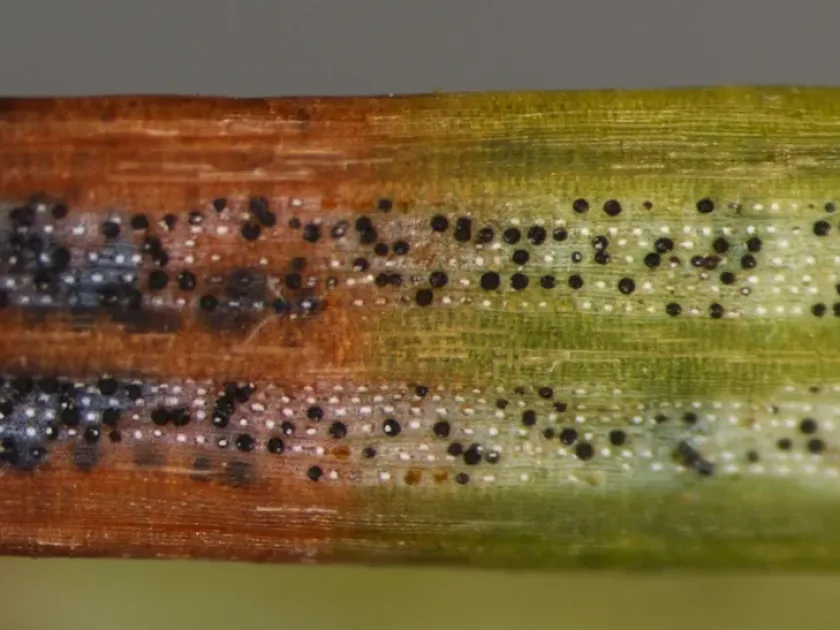
The most distinctive symptom of Milesina infection is the appearance of small, raised pustules on the undersides of fern fronds. These pustules are masses of fungal spores that rupture the host epidermis.
The color of these pustules is typically yellow to reddish-brown, which is characteristic of rust diseases. As the fungus consumes nutrients, chlorotic (yellowish) spots often appear on the upper surface of the fronds directly above the site of infection.
As the disease progresses, infected leaves may lose their structural integrity and become brittle. The foliage quickly loses its aesthetic appeal, eventually turning brown and dying prematurely as the plant's resources are depleted.
In severe cases, the underside of the leaf is heavily coated with a powdery spore mass that easily disperses with air movement. Fronds may twist or deform, which significantly impacts the health and growth of the entire plant.
Early diagnosis is vital, as the symptoms on the upper leaf surface might be mistaken for nutrient deficiencies or environmental stress. Always inspect the underside of the foliage for the signature rust-colored spots.
Pathogen
Milesina is a genus of highly specialized parasitic fungi belonging to the order Pucciniales (rust fungi). These pathogens are obligate parasites, meaning they depend entirely on the tissues of their specific host plants for survival and reproduction.
The fungus follows a complex life cycle, which often requires a secondary host to complete all stages of its development. Key stages, such as the production of uredinia and teliospores, occur directly on the foliage of infected ferns.
The pathogen penetrates host tissues through natural openings like stomata. Once inside, the fungal mycelium grows in the intercellular spaces, absorbing nutrients and energy directly from the plant cells to fuel its growth.
Infection is maintained through resilient spores that can survive on plant debris or within the evergreen parts of perennial ferns. This persistence allows the fungus to remain in the environment and re-emerge when conditions become favorable.
Milesina exhibits strict host specificity, as different species within the genus have evolved to target particular fern taxa. This makes the disease a consistent challenge in both wild populations and cultivated ornamental fern collections.
Conditions for development
The development of Milesina is highly dependent on ambient humidity and the presence of moisture on the leaf surface. High humidity combined with regular rainfall or heavy dew provides the ideal environment for infection.
Temperature is a critical factor for spore germination and colonization. Moderate, warm temperatures combined with damp conditions allow the fungus to spread rapidly across healthy foliage and neighbouring plants.
Poorly ventilated growing areas, such as dense clusters of plants or enclosed spaces with stagnant air, are high-risk zones. The lack of air circulation keeps foliage moist for longer periods, promoting fungal growth.
Spore dissemination occurs primarily via wind, which can carry the spores over long distances. Rain splashes and the use of overhead irrigation also facilitate the spread of the pathogen within a garden or nursery setting.
Plants under physiological stress—due to nutrient imbalances, improper light levels, or overcrowding—are significantly more susceptible to infection compared to healthy, robust specimens.
Why it matters
Milesina causes significant damage by debilitating fern plants, often rendering them useless for ornamental purposes. For nurseries and growers, this translates to substantial economic losses due to the destruction of marketable foliage.
The infection disrupts essential physiological processes such as photosynthesis. As the leaf tissue is damaged or destroyed, the plant’s ability to generate energy is severely hindered, leading to stunted growth.
Chronic infection weakens the rhizomes, meaning the plant cannot store enough energy to survive winter or thrive in the following growing season. This can lead to the long-term degradation of entire plant colonies.
Damaged foliage is highly prone to secondary infections by opportunistic bacteria and other fungi, which further complicates the recovery process and increases the severity of the plant’s decline.
If left untreated, Milesina can lead to the total collapse of the frond system. Without a healthy canopy, the plant’s ability to recover is severely compromised, often resulting in total plant mortality.
Protection
Effective control of Milesina starts with rigorous sanitation practices. All infected fronds should be promptly pruned and destroyed—never composted—to minimize the local spore load and prevent further spread.
Growers should adopt cultural practices that minimize leaf wetness. This includes avoiding overhead irrigation in favor of base-level watering and ensuring proper spacing to facilitate air movement around the plants.
If an outbreak occurs, the use of fungicides is necessary. Copper-based fungicides or systemic products effective against rust fungi should be applied according to the label instructions to protect healthy tissues.
- Regular monitoring of the undersides of fronds during periods of high humidity.
- Improving plant nutrition to strengthen natural host defenses.
- Removing all plant debris from the garden at the end of the season to eliminate overwintering sites.
Consistent applications of protective fungicides during favorable weather conditions can help suppress the disease, provided the treatments are repeated at the recommended intervals until the infection is cleared.
Discussion
No discussions yet — be the first.