
Melanogaster
Melanogaster
Description
Symptoms
The primary symptom of infection is stunted plant growth and a visible loss of vigor in the foliage. Leaves may show symptoms of chlorosis or wilting despite adequate soil moisture.
Infected root systems exhibit discoloration, typically turning dark brown or black. The tissue becomes soft and loses its structural integrity due to the fungal decay process.
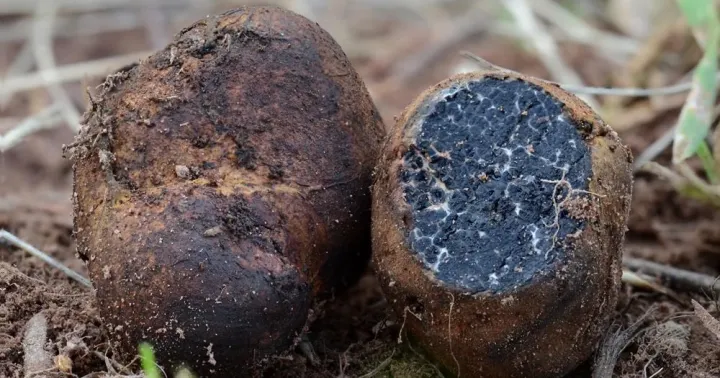
Small, spherical, tuber-like fruiting bodies may appear in the soil near the base of the plant. These are diagnostic signs of the fungus's presence in the immediate vicinity.
When the fruiting bodies are dissected, they reveal a dark, pungent, and sometimes gelatinous interior, which is a key characteristic of the Melanogaster genus.
In severe cases, the fine root hairs are completely consumed, resulting in the rapid death of the host plant, especially during periods of high environmental stress.
Pathogen
Melanogaster is a genus of fungi belonging to the family Melanogastraceae. While often considered as part of the soil microbiome, certain species can behave as pathogens that colonize and damage the root systems of various plants.
The pathogen exists primarily in the soil as a mycelial network. Under conditions of high organic matter and restricted airflow, it can switch from a saprotrophic to a pathogenic lifestyle.
The fungus produces hypogeous (underground) fruiting bodies. These reproductive structures contain spores, which facilitate the spread of the pathogen through soil movement and water runoff.
Biologically, the fungus infiltrates the rhizosphere, interacting negatively with the root cortex and disrupting the plant's ability to absorb nutrients effectively.
Due to its underground growth habit, the pathogen is often overlooked until significant damage to the plant host has already occurred, making early diagnosis challenging.
Conditions for development
High soil moisture and waterlogged conditions are the primary drivers for Melanogaster proliferation. Poor drainage acts as a major catalyst for the spread of this disease.
The fungus thrives in poorly aerated, compacted soils. Oxygen deficiency in the root zone stresses the plant and provides a competitive advantage to the fungal pathogen.
Moderate soil temperatures facilitate the rapid growth of fungal mycelia. In warmer climates, the fungus can complete its reproductive cycle more efficiently.
Excessive use of uncomposted organic matter can introduce or stimulate the growth of the pathogen by providing an abundant food source for the fungal colonies.
Mechanical damage to roots, caused by soil pests or cultivation tools, creates entry points for the pathogen, accelerating the infection rate throughout the crop field.
Why it matters
The economic impact of Melanogaster includes reduced yield, poor crop quality, and the eventual loss of individual plants, which necessitates costly replanting.
By damaging the root system, the fungus impairs the plant's uptake of water and essential minerals, leading to overall physiological decline and increased vulnerability to secondary infections.
The presence of toxic metabolites secreted by the fungus can negatively influence plant development and reduce the commercial shelf-life of the harvested produce.
The disease persists in the soil, creating a long-term problem that may restrict the choice of future crops and require extensive remediation measures for the affected land.
In ornamental and orchard cultivation, the loss of mature plants represents a significant investment loss, as replacement requires time and additional maintenance expenses.
Protection
Improving soil drainage is the most critical management strategy. Installing drainage systems prevents the water accumulation that favors the growth of this pathogen.
Practicing crop rotation is essential to break the pathogen's lifecycle and reduce the buildup of inoculum in the soil over successive growing seasons.
Biological control using Trichoderma species can effectively suppress the growth of Melanogaster by competing for space and nutrients in the rhizosphere.
- Regular cultivation and aeration of the soil to improve root zone oxygen levels.
- Prompt removal and destruction of infected plants and surrounding soil.
- Application of specialized fungicides if soil conditions permit and local regulations allow.
Continuous monitoring of the crop, especially in areas with poor drainage, allows for early intervention before the fungal population becomes unmanageable.
Discussion
No discussions yet — be the first.