
Massaria canker
Massariaceae
Description
Symptoms
The primary symptom of Massaria canker is the presence of localized necrotic patches on the bark, which often turn black or dark brown as the tissue dies and dehydrates.
Tiny, raised black bumps appearing on the bark surface are a key diagnostic sign. These are the fruiting bodies (perithecia) of the fungus pushing through the outer layer.
Visual decline in tree health is noticeable through premature yellowing and wilting of leaves. Often, the dieback starts from the tip of a branch and progresses downwards toward the trunk.
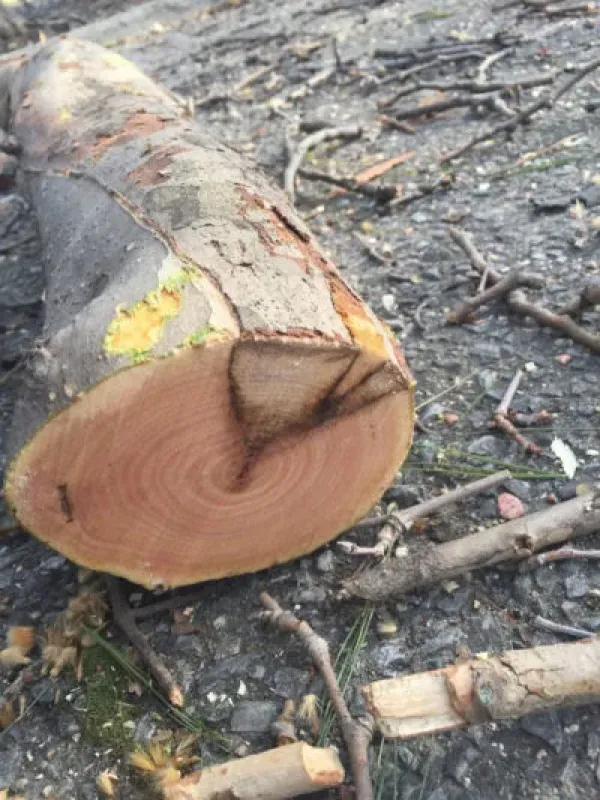
Cross-sections of affected branches reveal discolored, brown wood, which contrasts sharply with healthy tissue. The fungal invasion leads to internal decay and structural weakening of the wood.
Over time, the affected areas develop longitudinal cracks and deep wounds. These injuries indicate the severity of the necrotic process and the tree's inability to isolate the infection.
Pathogen
The disease is caused by fungi belonging to the Massariaceae family, particularly species within the genus Massaria. These are Ascomycete fungi that exist as both saprophytes and weak parasites.
The fungus colonizes the bark and woody tissues of trees, breaking down cellular structures. It typically acts as an opportunistic pathogen, taking advantage of stressed trees to gain a foothold.
Spores are the primary means of infection, dispersed by wind, rain splashes, and insects. Once they land on a vulnerable or wounded surface, the spores germinate and penetrate the host tissue.
The fungal life cycle involves the formation of perithecia, small fruiting bodies often embedded within the bark. These structures produce and release spores under optimal environmental conditions.
The condition is classified as a canker or branch dieback disease. It targets the cambium layer, eventually disrupting the flow of water and nutrients throughout the affected branch.
Conditions for development
Massaria infections thrive in trees that are already under physiological stress. Drought, extreme temperature fluctuations, and lack of water significantly weaken the tree's defense systems.
High humidity and consistent rainfall are critical environmental factors that promote spore production and transmission, leading to higher infection rates in spring and autumn.
Poor orchard or urban forestry management, such as inadequate spacing and lack of proper pruning, contributes to the spread of the disease by reducing airflow within the canopy.
Mechanical damage to the bark, caused by maintenance machinery or weather events, serves as an entry point for the fungus to colonize the interior wood.
Insects that bore into or damage the bark act as vectors or creators of wounds, providing the fungus with easier access to the vascular system of the tree.
Why it matters
The disease causes significant damage by killing off large branches, which reduces the tree's overall leaf area and photosynthetic capacity, ultimately hindering its growth.
By disrupting water and nutrient transport, the pathogen leaves the tree vulnerable to further attack from secondary pests and diseases, often leading to total tree failure.
Aesthetic degradation is a major concern in landscaping and urban settings, as affected trees lose their natural shape and become dangerous due to falling deadwood.
Massaria canker reduces the plant's hardiness, making it more susceptible to cold damage during harsh winter months or unpredictable late-season frosts.
Due to the rapid dispersal of spores, an unmanaged infection can quickly spread to healthy neighboring trees, threatening the integrity of an entire plantation or garden.
Protection
Sanitation is the most effective control method. All infected branches must be pruned back to healthy wood, with a buffer zone of at least 10–15 cm of clean tissue.
Tools used for pruning must be sanitized after every cut using alcohol or an appropriate disinfectant to prevent the transfer of fungal spores to healthy sections of the plant.
Large wounds should be cleaned and protected with appropriate wound-sealing agents, preferably those containing systemic fungicides to promote healing and deter further fungal colonization.
Preventative applications of copper-based fungicides can help manage the spore population on the bark surface, especially during periods of high humidity.
- Maintain tree vigor through balanced fertilization and adequate irrigation.
- Monitor for and manage bark-boring insects to reduce entry points for the fungus.
- Ensure proper thinning of the crown to promote ventilation and reduce moisture build-up.
Discussion
No discussions yet — be the first.