
Lysurus gardneri
Lysurus gardneri
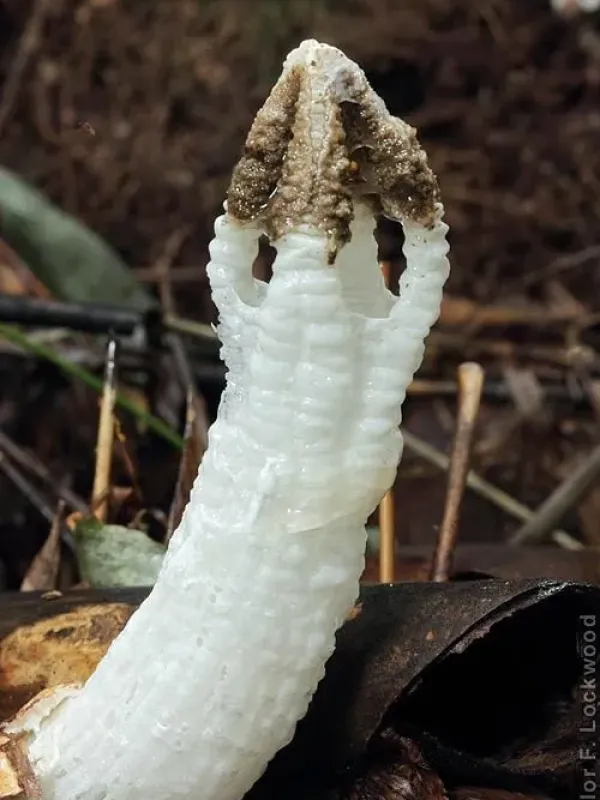
Description
Pathogen
Lysurus gardneri, commonly known as a type of stilt puffball, belongs to the family Phallaceae. It is not a plant pathogen; instead, it is a saprophytic fungus that survives by decomposing organic matter in the soil, playing an active role in nutrient cycling.
The life cycle begins with an egg-like stage, often hidden beneath the soil surface or organic mulch. This stage is crucial as it allows the fungus to store energy before the rapid development of the fruiting body.
Once mature, the fruiting body emerges and extends upwards, featuring distinctive lobes or arms. These arms are covered in a foul-smelling, spore-bearing slime that attracts flies and other insects to aid in spore dispersal.
In the agricultural context, this fungus is often found in rich, organic-heavy soils. Its presence is generally considered an indicator of high fertility rather than a symptom of a disease affecting living plant tissues.
While often considered exotic, it has spread to various temperate regions, largely facilitated by the global trade of plants, soil substrates, and organic mulching materials like wood chips.
Conditions for development
The development of Lysurus gardneri requires specific environmental conditions, primarily high humidity and consistent moisture levels. The fungus thrives in shaded or semi-shaded areas where the substrate does not dry out rapidly.
Warm temperatures, typically between 20°C and 28°C (68°F–82°F), are optimal for the rapid growth of the fruiting body. Consequently, their appearance is most frequent during warm, rainy periods in the summer months.
The availability of organic matter is a critical factor for colonization. Soils enriched with compost, leaf mold, or decorative bark provide the necessary nutrition for the mycelium to establish a strong presence.
Proper aeration is also significant. While it prefers moist environments, the fungus establishes well in loose, well-draining soils that offer enough oxygen for the decomposition processes to occur efficiently.
Spore dispersal relies on insects that interact with the spore-containing slime. Because these insects can travel considerable distances, the occurrence of this fungus in a greenhouse or garden can happen suddenly and unpredictably.
Why it matters
From an agronomical standpoint, Lysurus gardneri is considered harmless to living plants. It does not infect roots, stems, or foliage, meaning it poses no threat to crop health or overall yields in a garden or commercial farm.
The primary concerns regarding this fungus are aesthetic or related to workspace hygiene. The strong odor produced by the mature fruiting body can be unpleasant for workers in greenhouses or nurseries, potentially disrupting work activities.
In some cases, the dense growth of the mycelium can be considered a nuisance in high-maintenance decorative flower beds or during the sensitive propagation of seedlings, although this is quite rare.
The presence of the fungus does not lead to any plant diseases, and therefore, it does not require intensive chemical intervention. It is a natural component of the soil ecosystem when high organic matter is present.
Misidentifying this fungus as a plant pathogen can lead to unnecessary waste of resources and time. Recognizing it as a harmless saprophyte is the most important step for any grower dealing with its appearance.
Protection
Since Lysurus gardneri is not a pathogen, there is no need for specialized fungicidal treatment. Management strategies focus on improving soil conditions and garden hygiene to discourage its growth.
The most effective physical control is the early removal of fruiting bodies. Collecting them during the 'egg' stage or shortly after they emerge prevents the dispersal of spores and limits the spread to other parts of the garden.
Managing soil moisture is key to prevention. Improving drainage and avoiding excessive watering helps create a less favorable environment for the mycelium, effectively reducing the frequency of fruiting body formation.
If the fungus is appearing within a mulch layer, consider turning the mulch to increase aeration or replacing it with a fresh, sterile material. Always source growing media from reputable suppliers to ensure it is free from contaminants.
Biological soil management, such as the introduction of beneficial soil microbes like Trichoderma species, can help create a competitive environment in the soil, which naturally suppresses the development of saprophytic fungi.
Discussion
No discussions yet — be the first.