
Lysurus
Lysurus
Description
Symptoms
The first sign of Lysurus in a garden or greenhouse is the appearance of whitish or cream-colored, rounded structures resembling eggs, usually found in the topsoil or beneath layers of mulch. These eggs typically range from 2 to 5 centimeters in diameter.
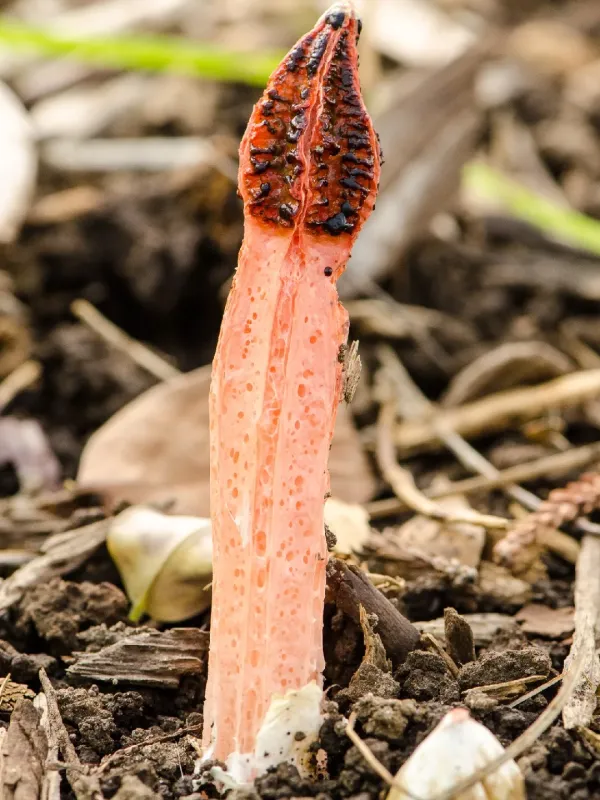
Upon reaching maturity, the egg ruptures, and a fruiting body emerges, often displaying bright red or orange appendages. The appearance of the fungus is highly specific and rarely resembles common mushrooms, which makes identification relatively straightforward.
A major diagnostic sign during the active stage is a strong, unpleasant smell that can drift over long distances in calm weather. This odor is an evolutionary adaptation to attract flies and other insects that serve as spore dispersal vectors.
The soil around the fruiting body often appears loose and is permeated by white fungal threads (rhizomorphs). If mulch is present, dense clumps of fungal tissue can be found hidden underneath the organic debris.
Damaged areas often show signs of discoloration in the mulch or topsoil. Plants in the immediate vicinity may exhibit signs of stress or reduced vigor due to changes in soil pH and oxygen levels within the area colonized by the fungus.
Pathogen
Lysurus is a genus of fungi in the family Phallaceae, belonging to the group of gasteromycetes. In an agronomic context, this organism is generally considered a saprotroph that thrives in soil rich in organic matter, rather than a direct pathogen of living crops.
Biologically, it is a basidiomycete fungus that develops underground mycelium, known as rhizomorphs, as part of its life cycle. The fungus goes through an "egg" stage, which eventually ruptures to release a fruiting body with a distinct shape, often featuring vertical lobes or appendages.
The pathogen spreads primarily through spores, which are dispersed by insects attracted to the intense, putrid odor emitted from the fungal gleba. The spore-bearing organs contain vast numbers of spores, facilitating colonization of new areas.
From an agronomic perspective, the presence of Lysurus acts as an indicator of high organic matter content in the substrate. While not an obligate parasite, its mass appearance often suggests an imbalance in soil microbiology, typically linked to the application of poorly composted manure or organic fertilizers.
Intensive mycelium development can lead to competition for nutrients within the root zone of plants. In some instances, the mycelium can create mechanical obstacles for the development of root systems in young seedlings or nursery transplants.
Conditions for development
Lysurus thrives in conditions of high substrate moisture, commonly found in greenhouses, cold frames, or shaded garden areas with poor drainage. It prefers loose, well-aerated soil containing high levels of organic waste.
Optimal temperatures for rapid fruiting body development range from +20°C to +28°C. Consequently, summer months characterized by frequent irrigation and warm weather often see outbreaks of these fungi on garden beds.
The primary factor for its spread is the incorporation of fresh or incompletely fermented manure and immature compost into the soil. These organic residues serve as the main nutrient substrate for the development of the mycelium.
Dense plantings that impede air circulation and prevent the topsoil from drying out create an ideal microclimate for spore germination. High humidity levels in enclosed structures further stimulate the rapid emergence of fruiting bodies.
Neglecting crop rotation and the repetitive use of the same organic fertilizers over several years leads to a buildup of spores in the soil profile, making the occurrence of Lysurus a recurring seasonal event.
Why it matters
The primary harm caused by Lysurus is the disruption of standard agronomic practices. Active mycelial growth can temporarily alter soil chemistry or structure, which may negatively impact the availability of mineral nutrients for cultivated crops.
The presence of the fungus in greenhouses creates a foul odor, which makes working conditions difficult and can attract various pests. Insects attracted to the smell often carry phytopathogenic bacteria and viruses, increasing the risk of secondary infections.
In commercial production, the presence of fruiting bodies is unsightly and can signal poor sanitation standards to customers, which is particularly detrimental for decorative plants and leafy vegetables.
Extensive fungal networks can lead to soil surface compaction, interfering with proper root gas exchange. In extreme cases, plants may show stunted growth or symptoms of chlorosis caused by impaired nutrient uptake.
While Lysurus does not usually act as a direct parasite on living roots, the intense competition for water and nutrients, especially in container-grown crops, can lead to reduced yield and overall plant vigor.
Protection
The primary prevention method is strict quality control of fertilizers. Manure must be fully decomposed or composted at high temperatures, which ensures the destruction of fungal spores and weed seeds.
To prevent further spread, regular cultivation of the topsoil is necessary. This practice improves oxygen levels, dries the surface, and disrupts mycelium development in the upper layers of the substrate.
If fruiting bodies are discovered, they should be removed immediately, along with the surrounding soil containing the mycelium. The collected fungi must be disposed of by burning or deep burial far from the planting site to prevent spore release.
Reducing soil moisture levels and improving drainage are highly effective protective measures in enclosed growing environments. It is also recommended to avoid excessive use of organic mulch during warm and humid periods of the growing season.
- Ensure proper ventilation in greenhouses.
- Use copper-based fungicides if the soil is heavily infested.
- Maintain proper crop rotation cycles.
- Regular liming of acidic soils to suppress fungal activity.
Discussion
No discussions yet — be the first.