
Lycoperdon decipiens
Lycoperdon decipiens
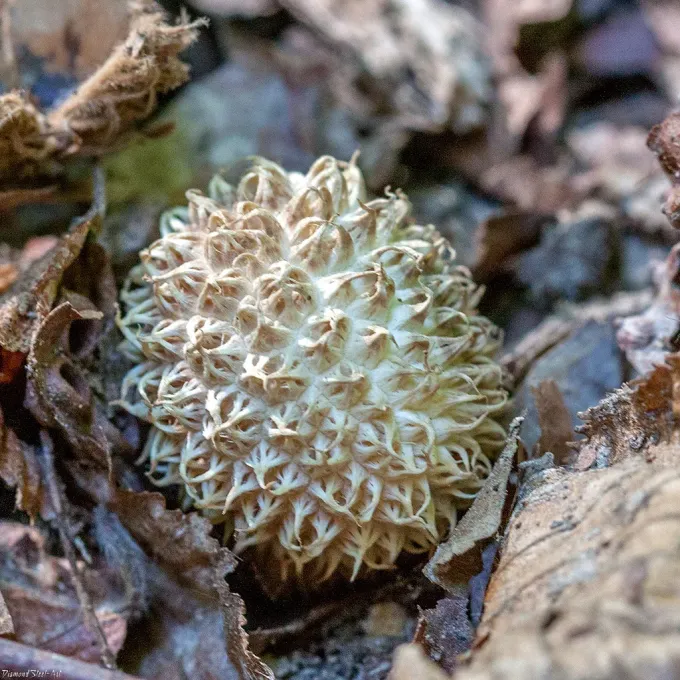
Description
Symptoms
The most noticeable sign of this fungus is the emergence of small, pear-shaped or globose fruiting bodies that can be found scattered across the soil surface.
These fruiting bodies are initially whitish or yellowish, turning brown as they mature and eventually releasing spores as a fine, dust-like powder.
Beneath the soil surface, one can often find a dense, white mycelial mat that binds soil particles together, affecting the local soil structure.
Plants growing in proximity to a dense colony of this fungus may exhibit signs of nutrient stress, primarily due to the competition between the fungus and plant roots for nitrogen.
Spore clouds released during the maturation phase can settle on crops, potentially interfering with leaf surface functions and reducing the visual quality of the yield.
Pathogen
Lycoperdon decipiens, commonly known as a type of puffball, is a saprotrophic fungus that plays a vital role in decomposing organic matter within the soil ecosystem.
Unlike true plant pathogens, this organism does not attack living plant tissue but thrives in environments where decaying organic residues are present in high concentrations.
The fungus develops fruit bodies that appear on the soil surface, especially in moist conditions, following the extensive growth of its underground mycelial network.
Biologically, it acts as a decomposer, utilizing extracellular enzymes to break down lignin and cellulose found in plant debris, wood shavings, or manure.
Its presence in agricultural fields is often used by agronomists as a biological indicator of poor soil drainage or excessive undecomposed organic matter accumulation.
Conditions for development
The development of Lycoperdon decipiens is heavily influenced by soil moisture levels, with high humidity and waterlogged conditions creating the perfect habitat.
Fields with heavy clay soils or poor drainage systems are significantly more susceptible to colonization by this saprotrophic fungus.
Large amounts of crop residues, such as straw or non-composted organic fertilizer, provide the necessary substrate for the fungus to establish its mycelial network.
Optimal growth temperatures for the fruiting bodies range from 15 to 22 degrees Celsius, particularly after periods of significant rainfall.
Lack of proper soil cultivation and minimal aeration allow the fungus to thrive undisturbed, leading to larger patches of colonizing mycelium across the field.
Why it matters
While the fungus is not directly pathogenic to crops, it can cause indirect harm by altering soil chemistry and depleting readily available nutrients.
The intense decomposition process performed by the mycelium often leads to nitrogen immobilization, causing chlorosis or slowed growth in surrounding young plants.
Dense mycelial growth can physically alter soil porosity, potentially inhibiting root expansion and reducing the plant's ability to access deep moisture and nutrients.
The presence of mass spore production on the harvestable parts of crops significantly reduces market value and may lead to rejection by food processing quality standards.
Furthermore, the development of this fungus often coincides with anaerobic conditions in the soil, which are inherently damaging to the health and development of most agricultural crops.
Protection
Managing Lycoperdon decipiens starts with effective field hygiene, specifically the removal or deep incorporation of crop residues that provide food sources for the fungus.
Improving field drainage is a critical control measure, as reducing moisture levels is the most effective way to inhibit the growth and reproduction of soil fungi.
Regular deep tillage or soil cultivation disrupts the mycelial network and improves aeration, which is detrimental to the survival of this saprotrophic organism.
Applying soil amendments to adjust pH levels can help create an environment less favorable for the fungus, as many puffball species have specific soil acidity preferences.
If colonization becomes widespread, localized application of copper-based or sulfur-based fungicides can be used to treat the soil surface and suppress fruiting body production.
Discussion
No discussions yet — be the first.