
Description
Symptoms
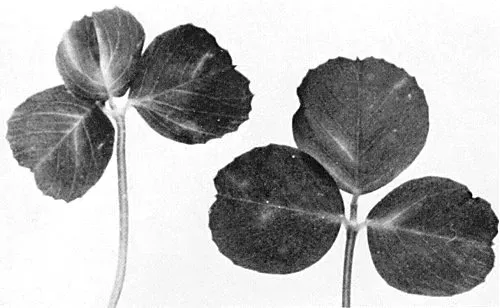
The primary symptom of this condition is the development of transient chlorotic streaks on the alfalfa leaves. These streaks typically run parallel to the veins of the leaf, giving the plant a distinctive striped appearance.
In advanced cases, the chlorosis can cover large portions of the leaf tissue, leading to premature yellowing and eventual desiccation of the affected foliage.
The symptoms often appear and disappear depending on the environmental conditions and the developmental stage of the plant, hence the term "transient".
The disease usually manifests in localized patches across the field, reflecting the movement patterns of the insect vectors responsible for the spread.
Plants affected by the disease may show stunted growth and shorter internodes, which can often be confused with nutrient deficiencies during early diagnosis.
Pathogen
The causative agent is often associated with virus-like particles or phytoplasmas that colonize the vascular tissues of the host plant, disrupting nutrient transport.
Insects, particularly leafhoppers and aphids, act as the primary vectors that transmit the pathogen from infected plants to healthy ones during feeding.
The pathogen can overwinter in the crown and root tissues of the perennial alfalfa, making the crop a long-term reservoir for the infection.
While primarily affecting alfalfa (Lucerne), the pathogen may persist in various wild leguminous species surrounding the cultivated fields.
The disease cycle is heavily dependent on the biological activity of the vector populations, which dictate the rate and extent of the infection spread.
Conditions for development
Warm and dry weather conditions are generally conducive to the development of the disease, as they favor the rapid reproduction of insect vectors.
Dense canopies with poor air circulation can create microclimates that allow vectors to move easily between plants without exposure to environmental stresses.
Stressors, such as moisture deficit or physical injury from frequent harvesting, can exacerbate the symptom expression in already infected stands.
Poor soil fertility and inadequate management practices weaken the plants, making them more susceptible to the impact of the pathogen.
The presence of wild weeds in adjacent areas provides a continuous source of inoculum and shelter for the insect vectors throughout the year.
Why it matters
The most significant impact is the reduction in green mass yield, which directly affects the productivity and economic viability of the alfalfa crop.
The disease impairs the plant's photosynthetic capacity, leading to lower protein content and decreased nutritional value of the harvested forage.
Infected stands often show reduced winter hardiness, leading to plant thinning and the need for earlier-than-planned field rotation.
Regrowth vigor after cutting is significantly hampered, often resulting in delayed or missing subsequent harvest cycles during the season.
Long-term field infestation can lead to a drastic decline in overall stand longevity, forcing farmers to reseed prematurely.
Protection
The most effective strategy is the planting of resistant or tolerant cultivars that have been bred to withstand local strains of the pathogen.
Integrated Pest Management (IPM) is essential to monitor and control insect vector populations, using targeted insecticide applications when thresholds are met.
Sanitation practices, including the removal of weeds around field borders, are crucial to reduce the reservoir of viruses and vectors.
Maintaining optimal soil fertility and proper water management can boost the plant's vigor and mitigate the damaging effects of the disease.
Crop rotation and field hygiene help break the disease cycle, ensuring that new stands are established in a clean environment free from the pathogen.
Pathogens and affected parts
Affects crops · 1
Discussion
No discussions yet — be the first.