
Loramyces juncicola
Loramyces juncicola
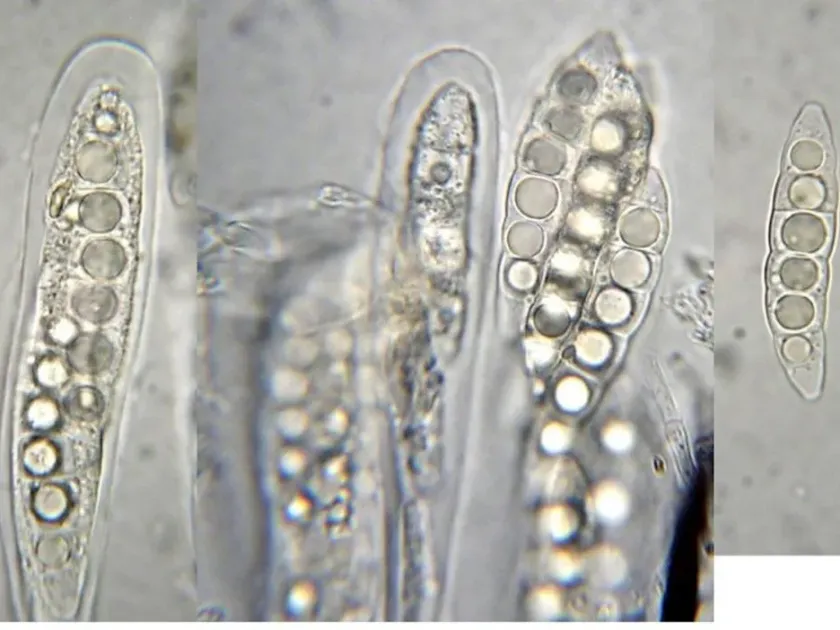
Description
Symptoms
Infection is typically characterized by the appearance of dark, necrotic spots on the stems or leaves that have contact with water.
Small, dark fruiting bodies often emerge on the surface of the infected plant, appearing as pinpoint-sized black dots protruding from the epidermis.
Affected tissues become softened and lose their structural integrity, which eventually leads to the wilting and collapse of the plant parts.
Chlorotic yellowing around the lesion sites is a common response of the host, indicating the spread of mycelium within the plant tissues.
Severe infections progress rapidly, resulting in the necrosis of large sections of the plant, often leading to total senescence of the affected organs.
Pathogen
Loramyces juncicola is an ascomycete fungus that thrives in aquatic and semi-aquatic habitats, specializing in the decay of plant materials.
The pathogen is well-adapted to life in water, where it survives by breaking down organic matter, occasionally attacking weakened plants.
Its life cycle involves the production of spores that are effectively dispersed through water, making it a persistent presence in wetlands.
While often acting as a saprotroph, the fungus acts as a facultative parasite that can invade living tissues under specific environmental stressors.
Taxonomically, it belongs to the group of fungi that are essential for nutrient cycling in water bodies but require management in cultivated settings.
Conditions for development
High humidity and constant contact with standing or stagnant water are the primary environmental drivers for Loramyces juncicola infection.
Temperatures ranging from 15°C to 22°C are ideal for the rapid growth of the fungus and the subsequent production of its reproductive spores.
Inadequate air circulation due to overcrowded planting density prevents the evaporation of surface moisture, creating a perfect microclimate for the pathogen.
The accumulation of dead organic matter or plant debris in the vicinity provides a reservoir for the fungus to multiply before attacking healthy tissue.
Poor water quality and lack of flow in artificial systems serve as significant risk factors for the sudden proliferation of this fungal disease.
Why it matters
The primary concern regarding this pathogen is the degradation of ornamental aquatic and wetland plants, which reduces their aesthetic value.
Infection weakens the overall health of the plant, rendering it more susceptible to secondary environmental stressors and opportunistic pests.
Widespread outbreaks can result in the complete death of plant populations in nurseries or managed garden ponds, leading to economic loss.
The pathogen interferes with the plant's ability to process nutrients and photosynthesis effectively due to tissue destruction.
Management of the fungus requires intensive labor and potentially costly chemical interventions to restore the health of the aquatic ecosystem.
Protection
Effective management begins with maintaining appropriate water levels and preventing waterlogging around the crown of the plants.
Regular sanitation, including the prompt removal and disposal of all dead or decaying plant parts, is crucial to reduce the inoculum load.
Improving air circulation by optimizing planting density helps prevent the moist conditions that favor the rapid spread of the fungus.
Application of fungicides should be performed strictly according to local regulations regarding aquatic environments to ensure safety for other organisms.
- Regular inspection of plants for signs of early infection.
- Ensuring clean and circulating water in ornamental ponds.
- Seasonal removal of all plant debris to eliminate fungal shelters.
- Monitoring water pH and nutritional levels to reduce plant stress.
Discussion
No discussions yet — be the first.