
Lophiostoma
Lophiostoma
Description
Symptoms
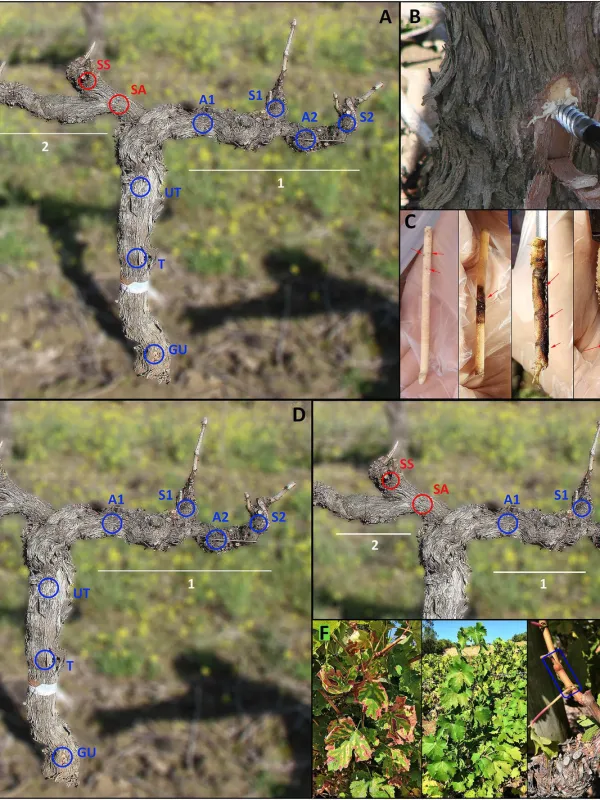
Primary symptoms include the emergence of dark, necrotic spots on stems and twigs that may coalesce over time into larger damaged areas.
A hallmark diagnostic feature is the appearance of small, black, protruding fruiting bodies on the surface of the lesions, visible even to the naked eye.
Affected plants often show signs of general stress, including chlorosis, premature wilting, and the eventual death of individual branches.
In cases of severe infestation, the bark or epidermis may crack, leading to significant structural damage and potential secondary bacterial infections.
Close inspection of the necrotic zones reveals distinct ostioles of the fungal fruiting bodies, which appear as tiny bumps or slits on the surface.
Pathogen
The causative agents of Lophiostoma are fungi belonging to the genus Lophiostoma, part of the Ascomycota phylum. These fungi often function as saprotrophs or weak parasites on plant tissue.
The mycelium colonizes the plant's epidermis and cortical layers, gradually breaking down cell walls and structures. It is capable of persisting in crop residues for long periods.
Reproduction involves the formation of fruiting bodies known as perithecia, which release ascospores that are easily disseminated by wind, rain, and tools.
The fungus exhibits high adaptability, allowing it to colonize both woody perennials and herbaceous stems depending on the specific species involved.
Under favorable moisture conditions, the fungus produces a distinct conidial layer that facilitates rapid spread across infected plant parts.
Conditions for development
High humidity and consistent rainfall are the primary drivers for Lophiostoma proliferation, as they facilitate spore germination and infection.
Plants weakened by environmental stressors, such as drought, nutrient imbalances, or mechanical trauma, are significantly more susceptible to colonization.
Poor airflow, often caused by overly dense planting or lack of pruning, keeps humidity levels high within the foliage, promoting disease development.
Moderate temperatures ranging from 15°C to 25°C provide the ideal metabolic window for the rapid growth of the fungal mycelium.
Inadequate sanitation in agricultural settings, specifically the presence of old, infected wood or plant waste, serves as the main reservoir for outbreaks.
Why it matters
The disease causes a measurable decline in plant vigor, which directly impacts biomass production and harvest yields for affected crops.
Persistent infection of branches leads to the gradual dieback of perennials, potentially requiring the removal of entire plants to prevent further spread.
The presence of lesions reduces the visual quality of the product, which is particularly detrimental for ornamental plants and fresh market fruits.
Increased susceptibility to other opportunistic pathogens often follows a Lophiostoma outbreak, complicating the overall health of the field.
Economic losses are driven by the costs of disease management, additional pruning requirements, and the necessity of applying chemical controls.
Protection
Cultural management is the first line of defense: sanitation through the removal of infected wood and the thorough cleanup of leaf litter is crucial.
Pruning should always be performed with disinfected tools to prevent the accidental transfer of spores from infected to healthy sections of the plant.
Maintaining balanced fertilization, particularly with potassium and phosphorus, strengthens plant cell walls and improves natural resistance.
Improving spacing and site management ensures better ventilation, which effectively lowers the micro-humidity that favors fungal growth.
- Regular inspection during the dormant and growing seasons.
- Use of copper-based fungicides as a preventative measure.
- Monitoring for symptoms during wet spring weather.
- Application of biological antagonists where appropriate.
Discussion
No discussions yet — be the first.