
Sooty mold
Limacinia
Description
Symptoms
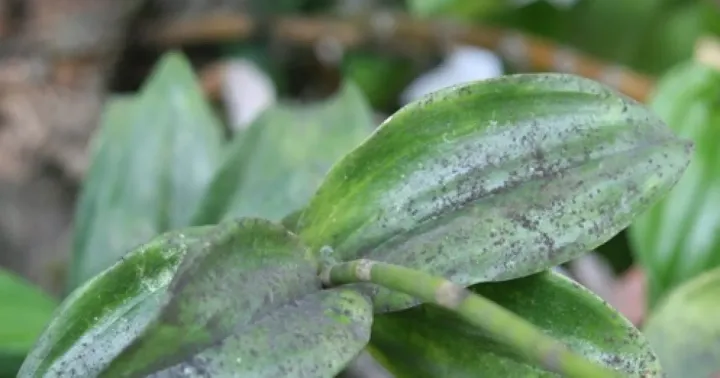
The primary symptom is the development of a dark, sooty, or coal-black film covering the leaves, stems, and sometimes the fruit.
In the early stages, the fungal layer is superficial and can be wiped away, but it becomes thicker and more tenacious over time.
Affected plants look dirty, losing their natural luster and vigor, while the leaves may feel rough or sticky to the touch.
In severe cases, the entire surface area of the plant can be obscured, significantly altering its aesthetic and physical appearance.
The presence of the mold often indicates an underlying pest problem that may have gone unnoticed by the gardener.
Pathogen
Sooty mold is a term for a group of saprotrophic fungi, primarily including species from the genera Limacinia, Capnodium, and Fumago.
These fungi are not true parasites as they do not invade the plant's internal tissues, but rather colonize the surface.
Their growth is entirely dependent on the presence of honeydew, a sticky substance excreted by sap-sucking insects like aphids, scale insects, and whiteflies.
The fungi form a dark, superficial mycelial mat that adheres to the plant surfaces where honeydew has accumulated.
The disease is considered a secondary issue, manifesting only after a prior infestation of insects has weakened the plant's environment.
Conditions for development
Sooty mold thrives in humid and moderately warm conditions, which provide an ideal environment for mycelial expansion.
The presence of a sticky substrate — honeydew — is the single most important factor for the successful establishment of the fungus.
Poor ventilation, dense planting, and enclosed environments like greenhouses foster the conditions necessary for the mold to spread rapidly.
Peak outbreaks are common in late summer when populations of sap-sucking insects reach their maximum density.
The accumulation of dust and pollen on honeydew deposits can also assist the fungi in anchoring to the plant surface.
Why it matters
The main damage caused by sooty mold is the obstruction of photosynthesis, as the dense black layer blocks sunlight from reaching the leaves.
This reduction in light absorption inhibits the plant's ability to produce energy, resulting in stunted growth and weakened vitality.
Gas exchange is also impaired because the fungal mat covers the stomata, which negatively impacts the plant's respiration and water regulation.
Market value of fruit and foliage is severely reduced due to the unappealing blackened appearance of the produce.
Persistent infestations can lead to long-term decline in plant health, making them more susceptible to cold stress and secondary infections.
Protection
The most effective strategy is the control of sap-sucking pests, as eliminating the honeydew source prevents the mold from growing.
Applying appropriate insecticides to manage aphid, scale, and whitefly populations is crucial for long-term prevention.
Improving air circulation through regular pruning of dense foliage creates an environment less conducive to fungal development.
Washing the plant surfaces with soapy water can help remove the honeydew and the existing sooty mold layer effectively.
Fungicidal treatments may be used in extreme cases to stop spore production and spread, though they are secondary to pest management.
Discussion
No discussions yet — be the first.