
Lichtheimia
Lichtheimia
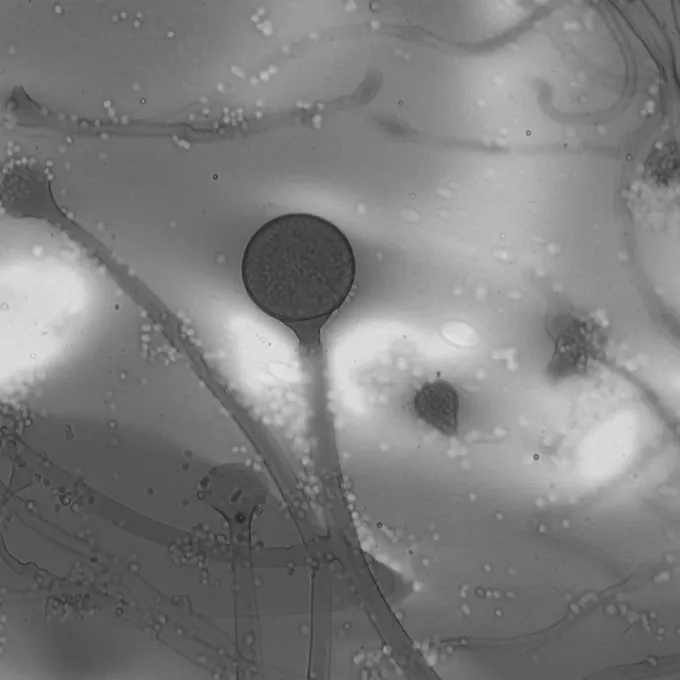
Description
Symptoms
The primary symptom of a Lichtheimia infection is the appearance of a loose, cottony, grayish or white mycelial mat on the surface of plant organs. This growth can expand rapidly over large areas.
Under the fungal cover, plant tissues lose their structural integrity and turn into a soft, water-soaked mass. A distinct, foul odor of fermentation or decay is commonly associated with this advanced stage of colonization.
Sporangia, appearing as tiny black or dark-colored pinheads, eventually emerge on the mycelium. These structures hold the spores, which are released upon the slightest physical disturbance or air movement.
Infection typically initiates at sites of mechanical injury, such as bruises, cuts, or harvesting wounds, where the plant's natural defense barriers have been compromised.
The progression of the disease is very fast, often leading to the complete degradation of the infected organ within a matter of a few days if conditions remain favorable for the fungus.
Pathogen
Lichtheimia is a genus of fungi belonging to the order Mucorales. In agronomy, these are recognized as significant pathogens responsible for various types of soft rots affecting both stored produce and occasionally standing crops under stressed conditions.
Biologically, these are fast-growing molds. They produce a robust mycelium that colonizes organic substrates rapidly, utilizing potent enzymes to break down plant tissues and absorb nutrients.
The pathogen is characterized by its high sporulation rate. The branched sporangiophores release countless spores that are easily disseminated by air currents, facilitating rapid spread within storage facilities.
While often acting as saprotrophs on decaying organic matter, Lichtheimia species can easily transition to parasitism, especially when host immunity is compromised by environmental factors.
They exhibit high adaptability to various substrates and temperatures, making them persistent and difficult-to-manage pathogens in agricultural settings globally.
Conditions for development
High relative humidity, typically exceeding 85%, is the primary factor driving the development and spread of Lichtheimia. Moisture on the surface of tissues is critical for spore germination.
The fungus prefers temperatures between +20°C and +30°C for optimal growth. However, it can remain active and continue to spread at lower temperatures commonly found in storage areas.
Lack of proper ventilation and stagnant air create a microclimate that is perfectly suited for the rapid incubation of this pathogen. Poorly managed storage conditions are the main cause of outbreaks.
The presence of organic debris, dust, or rotting material in storage units provides a continuous reservoir for spores, ensuring that new batches of produce are quickly infected.
Overcrowded produce storage, which restricts airflow and traps moisture, exacerbates the risk, allowing the pathogen to spread efficiently from infected to healthy plant materials.
Why it matters
The primary economic harm caused by Lichtheimia is the swift destruction of harvested crops, particularly in post-harvest storage where it can lead to total loss of inventory.
The pathogen produces metabolic by-products and toxins during its growth, rendering the affected produce unsafe for consumption and unsuitable for further industrial processing.
The aggressive and rapid spread of spores ensures that small initial points of infection can result in the loss of entire crates or storage bins, posing a massive economic threat to farmers.
The fungal attack often paves the way for secondary bacterial infections, resulting in a synergistic effect that turns affected tissues into a liquefied, putrid mass even faster.
Damage is most severe in crops susceptible to softening, such as berries, certain vegetables, and bulbs, where the high water content provides an ideal substrate for fungal exploitation.
Protection
Rigorous management of temperature and humidity is the cornerstone of prevention. Keeping humidity levels low and ensuring robust, continuous forced ventilation is essential to inhibit fungal growth.
Implementing strict sanitation protocols for storage facilities and equipment is crucial. Using effective disinfectants to clean crates and surfaces before the harvest season significantly reduces initial spore pressure.
Careful handling during the harvest process to avoid bruises, skin punctures, and other mechanical wounds is vital, as these are the main entry points for the pathogen.
Thorough sorting of produce before storage allows for the removal of any compromised or decaying items, which helps prevent the establishment of initial infection centers within storage batches.
- Ensure consistent airflow in storage rooms.
- Remove any decaying organic debris promptly.
- Apply preventative fungicide treatments if approved for the crop.
- Maintain optimal hygiene throughout the post-harvest chain.
Discussion
No discussions yet — be the first.