
Leucogyrophana
Leucogyrophana
Description
Symptoms
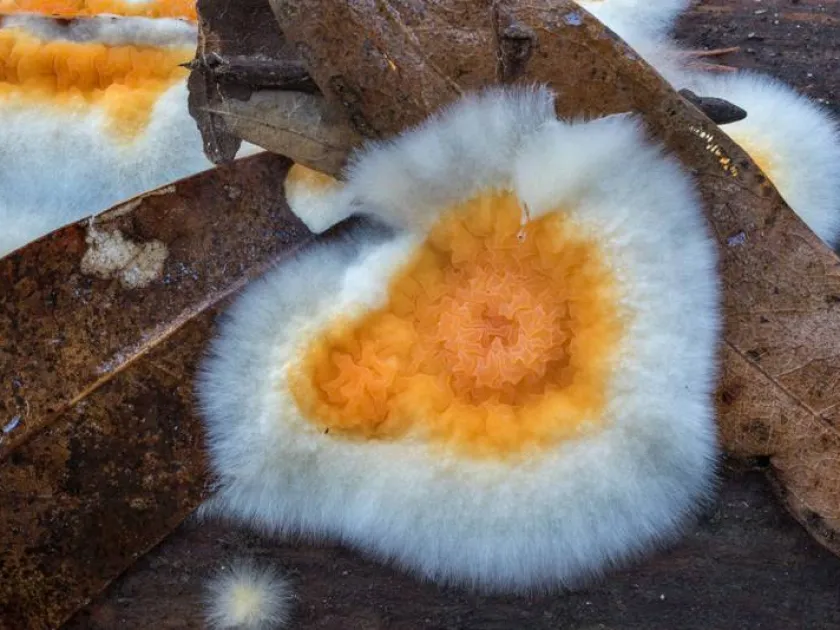
The initial signs of infection often include a white or yellowish, web-like mycelial growth on the surface of wood or bark. As the colony matures, this growth thickens and may become more structured.
As the fungal enzymes break down the wood, the material turns dark brown. This characteristic brown rot leads to a structural transformation where the wood cracks into characteristic cubical fragments.
During the reproductive phase, the fungus produces fruit bodies. These are typically resupinate or effused-reflexed, with a distinctively wrinkled or folded surface that produces vast quantities of spores.
An unmistakable symptom is the presence of a fungal odor, often described as damp or earthy. Upon manual inspection, infected wood feels soft, spongy, and brittle, indicating a complete loss of structural integrity.
- White or yellowish mycelial surface mats.
- Dark brown discoloration of wood tissue.
- Cubical cracking pattern in decayed wood.
- Presence of wrinkled, spore-producing fruit bodies.
Pathogen
Leucogyrophana is a genus of basidiomycete fungi recognized as significant wood-decaying pathogens. These fungi are primary agents of brown rot, which involves the degradation of cellulose and hemicellulose within the wood structure.
The life cycle involves the production of spores that are easily dispersed by air currents. Once established, the fungus develops extensive hyphal networks and mycelial cords that penetrate deep into the substrate to extract nutrients.
While many species act as saprotrophs on dead wood, they can opportunistically infect weakened living trees, especially those suffering from environmental stress or previous mechanical injury.
Their enzymatic capability allows them to efficiently break down the cell walls of wood fibers. This destructive process occurs systematically, often starting from the interior of the plant or timber component.
These fungi are highly resilient, capable of surviving in varied climates and remaining dormant for extended periods until moisture levels become sufficient for active growth to resume.
Conditions for development
Moisture is the primary driver for Leucogyrophana development. The fungus flourishes in environments with high humidity levels and poor ventilation, which prevents the drying of the substrate.
The optimal temperature for mycelial proliferation generally ranges between 20°C and 25°C. However, the fungus is highly adaptable and can survive in a wide range of external temperatures.
Lack of proper aeration and the presence of debris or standing water against the base of trees or timber creates a perfect environment for infection to take root.
Injuries to the bark, caused by insects, wildlife, or pruning errors, act as entry points for the fungal spores, allowing them to penetrate the more vulnerable internal woody tissues.
Densely planted areas or sites where sanitation is neglected provide a continuous food source for the fungus, facilitating its spread throughout the entire area.
Why it matters
The primary harm is the rapid loss of structural strength in both living trees and wooden structures. This degradation can lead to the sudden collapse of timber components or falling of weakened tree limbs.
In forest or orchard settings, the fungus interferes with the plant's vascular system, disrupting the transport of water and essential nutrients, which inevitably results in tree decline and mortality.
Economic consequences are severe, necessitating costly structural repairs or the removal of entire trees. The presence of the fungus significantly lowers the value of wood and timber products.
The fungus acts as a persistent source of infection, elevating the spore count in the local environment and putting neighboring susceptible plants at an increased risk of becoming infected.
The loss of mature trees significantly impacts the landscape and ecosystem stability, especially when combined with the potential hazards posed by falling, decayed timber.
Protection
Effective management relies heavily on moisture control. Improving site drainage, ensuring proper airflow around structures, and keeping wood materials dry are the most important preventive measures.
Strict sanitation practices, including the removal of decaying stumps, fallen logs, and deadwood, are essential to eliminate the fungus's nutrient sources and break its life cycle.
If infection is detected, the affected wood must be surgically removed, including a margin of healthy tissue, and the remaining area should be treated with appropriate wood preservatives or fungicides.
Regular tree monitoring and the proper treatment of pruning wounds with protective dressings help prevent the entry of fungal spores and promote healthy healing.
In cases of severe infestation, the complete removal and incineration of the infected material is required to prevent the further spread of spores, ensuring the protection of the remaining healthy environment.
Discussion
No discussions yet — be the first.