
Orange birch bolete
Leccinum versipelle
Description
Symptoms
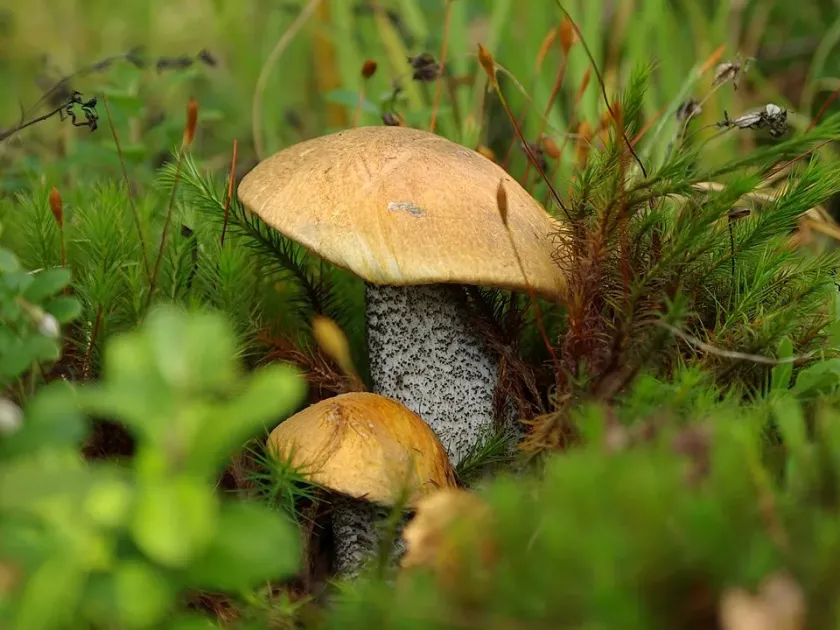
The presence of this fungus is indicated by the appearance of fruit bodies near the root zone of host trees. The cap has a distinct orange-red color, with the skin often slightly overhanging the margin.
When the flesh of the fruit body is cut, it oxidizes rapidly, changing from white to a violet-gray or dark brownish color. This chemical reaction is a key identification feature of the species.
The stem is robust and densely covered with small, dark brown or blackish scales. These scales give the stem a characteristic appearance that helps distinguish it from other bolete species.
The mycelium resides in the soil, forming extensive networks that connect with the roots of birch and other associated tree species. This network is a hallmark of healthy forest soil.
- Orange-red cap surface
- Rapid bruising of flesh to dark gray
- Dark, scale-covered stem
- Strong association with birch tree roots
Pathogen
The orange birch bolete (Leccinum versipelle) is not a plant pathogen or a disease agent. It is a basidiomycete fungus belonging to the Boletaceae family that thrives in a mutualistic symbiosis with higher plants.
This fungus forms ectomycorrhiza, a type of symbiotic association where fungal hyphae envelop the plant roots. This relationship is entirely beneficial to the host tree, helping it absorb water and nutrients.
Biologically, this organism does not damage plant tissues. Instead, it plays a vital role in the health and growth of forest ecosystems by facilitating nutrient exchange between the soil and trees.
Unlike parasitic fungi, the orange birch bolete relies on living trees to survive while providing them with environmental stability. It is a classic example of a forest symbiont.
In the context of botany and agronomy, this species is classified as a helpful forest inhabitant rather than a threat to agricultural productivity or plant health.
Conditions for development
The development of fruit bodies is favored by cool, temperate climates and moist soil conditions. This species requires stable environments found primarily in deciduous and mixed forests.
Healthy host trees are essential for the survival of the fungus. The soil must be relatively acidic, and the species is highly sensitive to chemical fertilizers and soil pesticides.
An optimal temperature range for the fungal activity is between 15 and 22 degrees Celsius. High humidity in the leaf litter layer is critical for successful reproduction.
Rainfall patterns significantly dictate the annual abundance of the fungus. During dry seasons, the mycelium enters a dormant state without affecting the host trees negatively.
The fungus is highly sensitive to soil pollution and heavy metal contamination. Its presence is often considered a sign of a clean and stable forest environment.
Why it matters
The orange birch bolete poses no harm to cultivated crops or forestry plants. It does not possess any enzymatic capability to decompose healthy plant tissues, making it non-pathogenic.
Because this species is restricted to specific forest habitats, it is not found in agricultural fields. It is entirely irrelevant as a pest in commercial crop systems.
There is no evidence of this fungus causing any structural damage, decay, or disease in its host trees. Its relationship is purely ecological and mutually beneficial.
The economic impact of this species is positive, as it is a highly prized edible mushroom. It provides both ecological services and food resources.
No agricultural damage has ever been attributed to this fungus, making it a safe and essential part of the biodiversity in forest-adjacent regions.
Protection
No control measures are necessary, nor are they recommended, as the fungus is a beneficial component of the forest soil ecosystem.
Preservation efforts should focus on maintaining the health of forest soil and avoiding the use of harmful pesticides in habitats where this fungus naturally occurs.
Forest management practices should include the protection of mycorrhizal networks, which are crucial for the long-term vitality of native tree populations.
Fungicides should never be applied in areas where this fungus is present, as they would disrupt the essential mycorrhizal symbiosis and degrade the forest health.
Monitoring the population of this species serves as a valuable indicator of forest health, suggesting that the ecosystem is functioning correctly and is free from severe pollution.
Discussion
No discussions yet — be the first.