
Lecanoraceae
Lecanoraceae
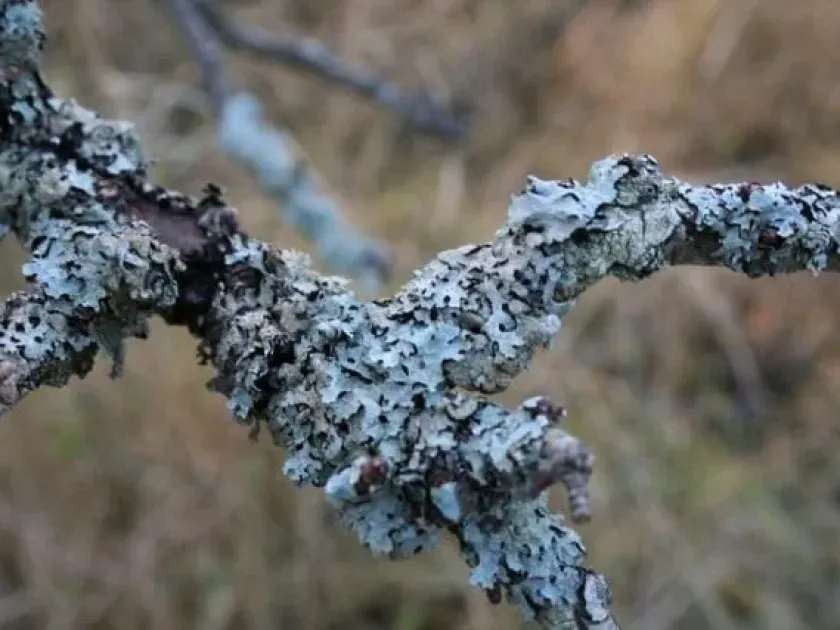
Description
Symptoms
The most visible signs are crustose or foliose thalli appearing on the bark, characterized by a range of grey, white, yellow, or greenish colors.
A hallmark of the Lecanoraceae family is the presence of disk-shaped fruiting bodies known as apothecia, often embedded within the lichen thallus.
The lichen forms a tight connection with the outer bark, creating a rough texture that contrasts significantly with the smooth bark of healthy trees.
Unlike parasitic fungi, they do not cause necrosis, bark splitting, or decay, but they can be distinguished by their firm, persistent attachment.
During dry conditions, they may appear brittle and flaky, but they rapidly absorb moisture and regain a vibrant appearance during wet weather.
Pathogen
Lecanoraceae lichens are not plant pathogens in the strict sense, as they do not infect tissues or cause disease in host trees.
They are symbiotic organisms consisting of a fungus and an alga or cyanobacterium that use the bark solely as a physical substrate for attachment.
These organisms are classified as epiphytes, meaning they acquire nutrients from the atmosphere and rainfall rather than feeding on the tree's sap.
Biologically, they represent a complex life form that thrives in stable environments where they can anchor to the surface of branches or trunks.
The presence of these lichens is primarily a bioindicator of air quality and microclimatic conditions rather than a sign of pathogenic infection.
Conditions for development
Lecanoraceae lichens proliferate best in areas with high humidity, stagnant air, and low exposure to direct sunlight.
Orchards with neglected, dense canopies provide the perfect habitat, as the lack of pruning prevents the bark from drying out sufficiently.
Reduced solar radiation, caused by an overgrown crown, allows lichen spores to settle and germinate more effectively on the bark surface.
Slow-growing trees with stable, non-shedding bark are more susceptible to colonization than fast-growing, vigorous trees with thin, peeling bark.
Locations near water bodies or in fog-prone regions naturally facilitate the growth and dispersal of these epiphytic communities.
Why it matters
While not primary pathogens, excessive lichen growth can be problematic by creating sheltered microhabitats for common orchard pests.
Scale insects, aphids, and mites often utilize the dense lichen crust as a refuge for overwintering, which makes their control significantly harder.
Extensive coverage of the trunk and branches may restrict gas exchange, potentially reducing the efficiency of bark respiration.
Severe infestations are often interpreted as a symptom of tree stress or old age, indicating that the tree requires better cultural management.
In high-value fruit production, excessive lichen presence is considered a quality issue that impacts the overall appearance and vigor of the trees.
Protection
Proper pruning is the primary cultural practice to improve air circulation and sunlight penetration, which naturally inhibits lichen development.
Mechanical removal of the lichen using stiff-bristled brushes in early spring is an effective way to clean the trunk without damaging the bark.
Applying a lime wash, often fortified with copper compounds, to the trunks serves as an effective deterrent against the growth of lichens.
Copper-based fungicide sprays applied during the dormant season are effective at reducing the lichen population on the bark surface.
Maintaining strong tree vigor through balanced fertilization and adequate irrigation encourages healthy bark turnover, which limits lichen attachment.
Discussion
No discussions yet — be the first.