
Laxitextum
Laxitextum
Description
Symptoms
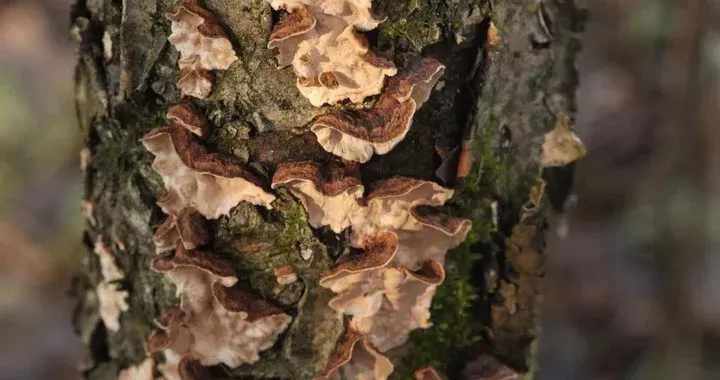
The most visible symptom is the appearance of thin, crust-like fruiting bodies on the trunk or branches. These structures are often leathery and brownish in color.
Infected wood exhibits signs of white rot, becoming pale, fibrous, and significantly less dense as the structural components are broken down by fungal enzymes.
Affected trees often show signs of decline, such as yellowing leaves, crown thinning, and the death of individual branches located above the infection site.
In advanced stages, the bark near the colonized area may crack or peel away, revealing the white, spreading mycelium underneath.
Increased brittleness of branches is a classic sign of internal decay. Such limbs are highly prone to breaking under the weight of snow or during windy conditions.
Pathogen
The disease is caused by fungi of the Laxitextum genus, with Laxitextum bicolor being the most recognized species. This pathogen is a basidiomycete fungus responsible for white rot in wood.
It acts primarily as a saprotroph, decomposing dead wood, but can also colonize living trees that have been weakened by environmental stress or physical injuries.
The fruiting bodies of the fungus are typically crust-like or leathery, often forming thin, yellowish-brown patches on the bark or wood surface during humid periods.
Reproduction occurs through the dispersal of basidiospores, which are carried by wind and moisture. Once established, the mycelium penetrates deeply into the wood structure.
The biological activity of this fungus involves the enzymatic degradation of lignin and cellulose, which are key components of the wood matrix, eventually leading to decay.
Conditions for development
High humidity and consistent rainfall are the primary environmental factors that promote the growth and spread of Laxitextum spores.
The fungus thrives in shaded, poorly ventilated areas where moisture remains on the bark for extended periods. Lack of air circulation is a major contributing factor.
Mechanical injuries, including pruning cuts, frost cracks, or insect damage, serve as entry points for the pathogen to colonize the tree's internal tissues.
Optimal temperatures for fungal development occur in moderate climates. While extreme heat or dryness can inhibit growth, the fungus often remains viable inside the wood.
Neglected orchards with accumulated dead wood, stumps, and fallen branches act as reservoirs for the fungus, facilitating the infection of healthy trees nearby.
Why it matters
The primary threat is the structural compromise of the tree. Decay weakens the wood, turning the tree into a safety hazard due to the risk of trunk or branch failure.
The disease impairs the tree's vascular system, hindering the transport of water and nutrients, which leads to overall reduced vigor and potential death of the tree.
The presence of this fungus in a landscape or orchard increases the risk to neighboring trees, as spores can be easily spread by wind and rain throughout the area.
Economically, the presence of the fungus renders the wood unsuitable for timber production or high-quality carpentry, as the decay makes the material useless.
For fruit growers, the infection results in shorter tree lifespan and decreased yields, often necessitating the early removal of infected specimens from the orchard.
Protection
The most effective management strategy is rigorous sanitation. All dead or diseased branches must be pruned and removed promptly to prevent the fungus from spreading.
Pruning cuts on large branches should be treated immediately with wound dressings or specialized fungicides to prevent spores from entering the exposed wood.
Ensuring proper crown aeration is essential. Regular pruning helps increase air circulation, reducing the humidity levels that the fungus requires to colonize the tree.
All infected plant debris must be destroyed, preferably through burning, to eliminate the source of spores and prevent the pathogen from surviving in the garden.
Maintaining tree health through proper fertilization and irrigation is vital. A strong, vigorous tree has better natural defenses against colonization by wood-decay fungi.
Discussion
No discussions yet — be the first.