
Laetisaria arvalis
Laetisaria arvalis
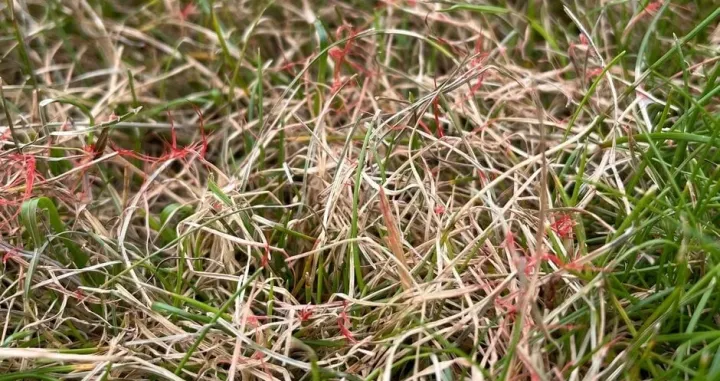
Description
Symptoms
Initial symptoms of infection include general stunting and yellowing (chlorosis) of the lower leaves. Infected plants show a lack of vigor and an inability to maintain turgor pressure, especially during periods of high temperature or stress.
The roots and the crown of the plant often exhibit a characteristic white to pinkish mycelial growth, particularly noticeable in high-humidity conditions. This mycelium can be quite visible, forming a loose, cotton-like mass on the affected surfaces.
As the disease progresses, root tissues turn brown and necrotic, leading to the collapse of the root system. Infected seedlings may show signs of damping-off, where the base of the stem becomes soft and discolored, leading to the death of the plant.
In field conditions, the infection often manifests in patches or localized areas where plants appear stunted or withered. These patches tend to expand over time as the mycelium moves through the soil between adjacent plants.
Microscopic examination of the affected root tissues reveals extensive hyphal penetration of the cortical layers, resulting in the breakdown of parenchyma cells. This decay impairs the water and nutrient transport system, ultimately causing plant death.
Pathogen
Laetisaria arvalis is a basidiomycetous fungus classified as a soil-borne pathogen. In agricultural science, it is recognized as a causal agent of root and crown rot, affecting a diverse range of crops including cereals and various vegetables.
The fungus acts as a facultative parasite, capable of surviving for extended periods in the soil by feeding on decomposing organic matter. This saprophytic lifestyle allows it to persist even in the absence of a primary host plant.
It forms dense mycelial mats on the roots of host plants, which serve as a physical barrier and a site of nutrient extraction from the plant tissues. The production of specialized resting structures allows the pathogen to endure unfavorable environmental conditions.
One of the unique biological features of Laetisaria arvalis is its interaction with other soil microbes. It produces metabolites that can inhibit the development of other pathogens like Pythium, yet it remains a significant threat to crop health itself.
The fungus spreads primarily through the movement of soil, water runoff, and contaminated plant debris. Its genetic plasticity allows it to adapt to various soil types and agricultural environments, making it a persistent challenge for modern farming.
Conditions for development
Laetisaria arvalis thrives in warm and moist environments. It exhibits optimal growth and pathogenicity at temperatures ranging from 15 to 25 degrees Celsius, which coincides with the critical growth stages of many early-season crops.
Poor soil aeration and compaction significantly increase the risk of infection. Waterlogged soils provide an ideal medium for the germination of fungal spores and the spread of mycelium across the field.
Continuous cropping of susceptible varieties without proper rotation is a major driver for the buildup of the pathogen population. The presence of crop residues in the soil provides essential nutrients for the fungus during the off-season.
Soil structure and texture influence the pathogen's activity; heavy, clay-rich soils with limited drainage are more prone to outbreaks than well-drained, sandy soils, due to prolonged periods of high soil moisture.
Environmental factors such as excessive rainfall during the germination period can exacerbate the disease. Under these conditions, the fungus gains an advantage, allowing it to rapidly colonize the rhizosphere before the plant has developed a robust root system.
Why it matters
The primary economic harm caused by Laetisaria arvalis is the reduction in plant stand density, which directly impacts yield. Severe infections may necessitate the replanting of entire fields, significantly increasing production costs.
Crop quality is also negatively affected. Plants that survive infection often struggle to reach their full physiological potential, showing reduced levels of nutrients, sugars, and overall biomass, leading to lower market value.
The pathogen contributes to long-term soil degradation, as it remains persistent in the field. This forces farmers to invest in costly soil treatments or shifts in crop selection to manage the infection risk effectively.
Infected crops show increased vulnerability to secondary stress factors. A compromised root system cannot effectively take up water during dry spells, leading to premature senescence even in years with moderate disease pressure.
In high-inoculum scenarios, yield losses can reach 20-30%, especially in seasons favorable to fungal growth. The combined costs of reduced yield and additional management interventions make this pathogen a concern for sustainable agriculture.
Protection
Crop rotation is the most effective management strategy. By rotating susceptible hosts with non-host crops for at least 3 years, the fungal population in the soil can be significantly reduced, limiting the risk of severe outbreaks.
Improving soil structure is essential. Subsoiling and other tillage practices that enhance drainage and aeration can mitigate the favorable conditions for the fungus, making the environment less conducive to its growth.
The use of high-quality, fungicide-treated seeds is crucial for protecting the vulnerable seedling stage. Systemic seed treatments provide early-season protection, allowing the plant to establish a healthy root system.
Biological control agents, such as beneficial fungal species that compete with Laetisaria arvalis, are increasingly used to suppress the pathogen. Incorporating these agents into soil management programs can help maintain a healthier rhizosphere.
- Ensuring balanced nitrogen and potassium levels to promote strong cell walls.
- Managing irrigation systems to prevent overwatering and standing water in fields.
- Regular field scouting to identify and manage initial infection patches.
Discussion
No discussions yet — be the first.