
Uvidus milky cap
Lactarius uvidus
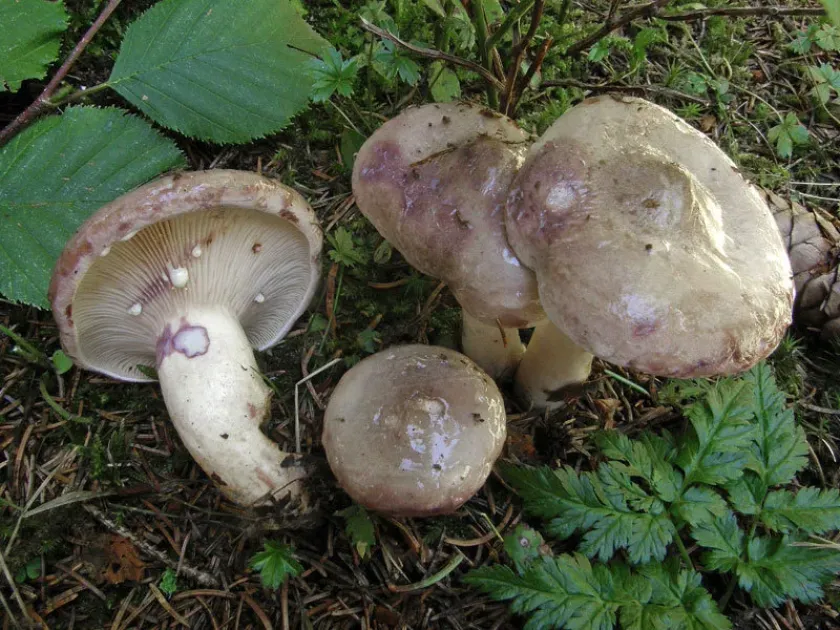
Description
Pathogen
The Uvidus milky cap (Lactarius uvidus) is scientifically classified as a wild mushroom and is not a plant disease.
It does not function as a pathogen; instead, it forms a symbiotic relationship known as mycorrhiza with various tree roots.
In this association, the fungus assists the plant in nutrient uptake, which is a beneficial biological process rather than a destructive one.
Misidentifying this mushroom as a disease agent is a common error; it poses no threat to garden crops or commercial agricultural fields.
This species is highly valued in the field of mycology for its specific chemical properties and its role in ecosystem health.
Conditions for development
Lactarius uvidus typically thrives in damp, wet forest environments where it can partner with suitable host trees.
Its development relies heavily on soil moisture levels and the presence of healthy, mature tree root systems.
The fungus is often found in mossy areas or boggy parts of deciduous and coniferous forests.
The lifecycle requires consistent humidity, which explains why the species is most abundant during wetter seasons.
Spore dispersal occurs through air currents, with subsequent mycelial colonization of the soil near host roots occurring over several seasons.
Discussion
No discussions yet — be the first.