
Mild milkcap
Lactarius subdulcis
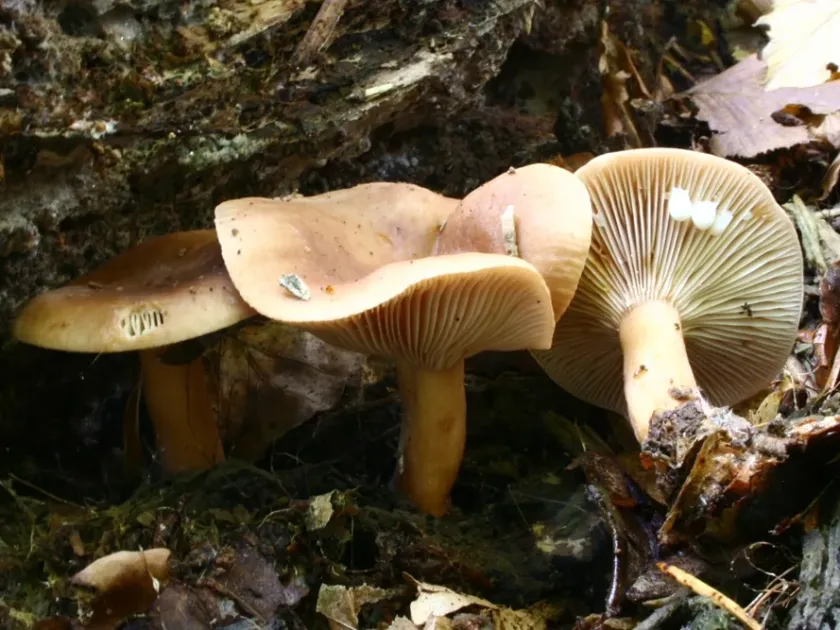
Description
Pathogen
Lactarius subdulcis, commonly known as the mild milkcap, is a species of fungus in the Russulaceae family. It is strictly a mycorrhizal organism and does not act as a plant pathogen.
The fungus establishes a mutualistic association with the roots of deciduous trees, primarily oak and beech. This relationship is beneficial for both the host plant and the fungus.
Unlike parasitic fungi that cause diseases such as rot or blight, the mild milkcap helps the host tree absorb water and essential nutrients from the soil.
In forest management, the presence of such fungi is often used as an indicator of a healthy, functioning ecosystem. It does not damage wood or harvestable parts of the plants.
Classifying this species as a plant disease is botanically incorrect. It contributes significantly to the nutrient cycling process in woodland environments.
Conditions for development
The development of the fruit bodies of Lactarius subdulcis is highly dependent on symbiotic relationships with mature trees. They are typically found in forest habitats.
Sufficient soil moisture is the primary factor driving the appearance of mushrooms. Periods of high precipitation significantly boost the growth of the fungal mycelium.
The fungus thrives in shaded areas with significant leaf litter. This layer protects the mycelium from desiccation and sudden temperature fluctuations.
Spore dispersal occurs via wind and rain, allowing the fungus to colonize new areas where host tree roots are present. It is highly specific to certain tree species.
This species is absent in agricultural settings because it lacks the necessary environmental complexity, stable root systems, and specific soil conditions required for survival.
Discussion
No discussions yet — be the first.