
Downy milk cap
Lactarius pubescens
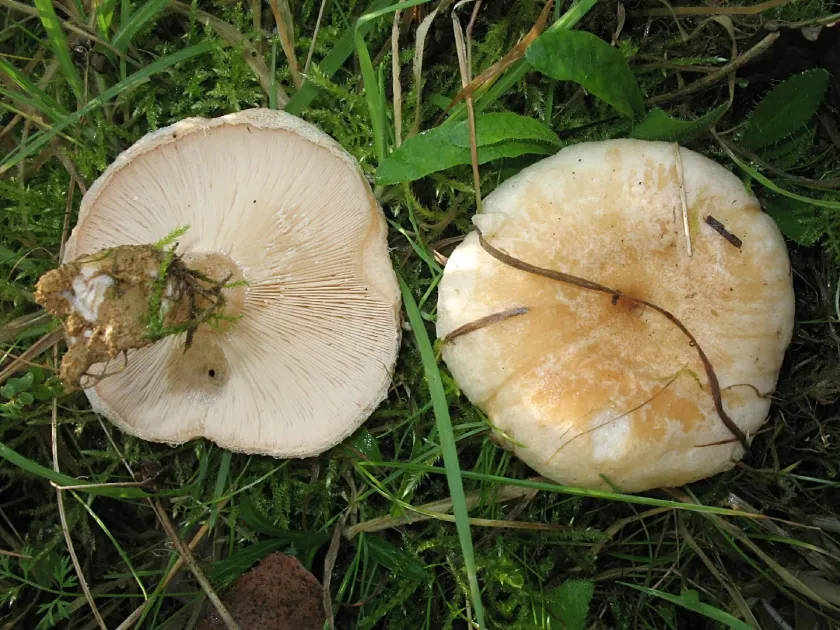
Description
Pathogen
It is important to clarify that Lactarius pubescens, commonly known as the Downy milk cap, is not a plant disease or a pathogen.
This fungus is a mycorrhizal species that forms symbiotic associations with the roots of specific tree species, primarily birch (Betula).
Through the formation of ectomycorrhizae, the fungus helps the host tree absorb water and essential nutrients from the soil.
From an agronomical and forestry standpoint, Lactarius pubescens is considered a beneficial organism that contributes to forest health.
It lacks the parasitic mechanisms required to induce diseases, necrosis, or decay in plant tissues, distinguishing it from harmful pathogens.
Conditions for development
The development of Lactarius pubescens fruiting bodies depends on the presence of a healthy host tree and favorable climatic conditions.
The fungus thrives in moist habitats, typically found in birch-dominated woodlands or forest edges during the late summer and autumn.
Soil quality, specifically the presence of organic matter and a slightly acidic pH, is crucial for the establishment of the mycelial network.
Environmental humidity plays a significant role in the appearance of mushrooms, as they require moisture to initiate sporulation.
Unlike pathogenic fungi that spread via infection of stressed plants, this species propagates through natural ecological cycles of its host environment.
Why it matters
The Downy milk cap is entirely harmless to trees and does not pose a threat to agricultural or forest productivity.
There are no negative symptoms such as wilting, chlorosis, or timber decay associated with the presence of this mycorrhizal partner.
Because the fungus is beneficial, no control measures or prevention strategies are required in any forestry or land management context.
Its role is exclusively to support the growth and resilience of its host plants rather than to exploit them for nutrients.
Therefore, managing forest lands does not involve targeting this species, as it is a natural component of a healthy ecosystem.
Discussion
No discussions yet — be the first.