
Lactarius hatsudake
Lactarius hatsudake
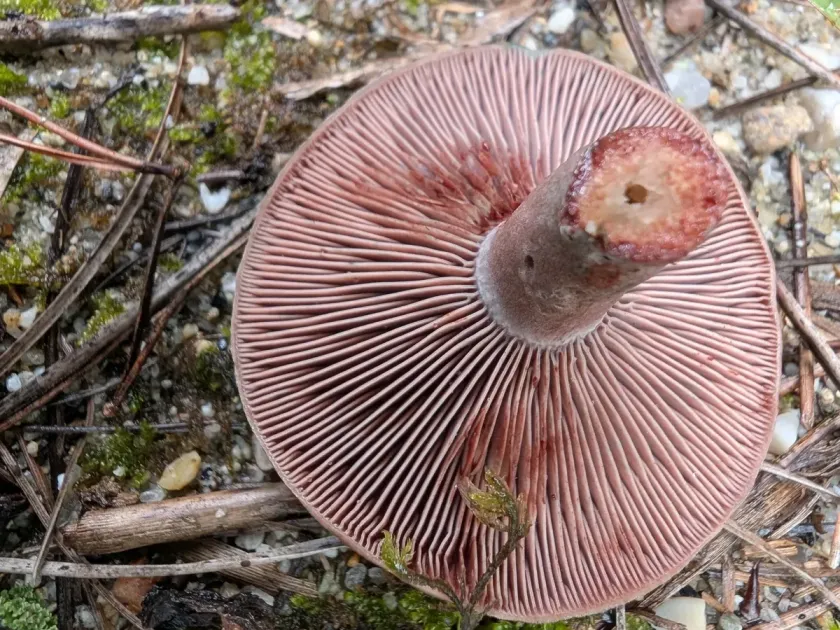
Description
Pathogen
Lactarius hatsudake is not a plant disease or a pathogen. It is a prized edible mushroom species belonging to the Russulaceae family, which lives in a symbiotic relationship with trees.
There is no evidence of this fungus acting as a causative agent for any plant infection, as it does not possess phytopathogenic traits to invade or damage plant tissues.
On the contrary, it forms an ectomycorrhizal association with roots, which is highly beneficial for tree health and soil nutrient absorption.
The fungus functions by creating an extensive mycelial network that helps transport water and essential minerals to the tree, while receiving sugars in exchange.
It remains a vital component of the forest microbiome and does not pose any risk to agricultural or silvicultural plant health.
Conditions for development
The development of Lactarius hatsudake is strictly dependent on the presence of suitable host trees, particularly specific species within the Pinus genus.
Optimal environmental conditions include high levels of soil moisture and the presence of a well-developed layer of organic leaf litter.
Temperature fluctuations play a significant role in triggering the development of fruiting bodies, usually occurring after sustained rainfall events.
The fungus requires an undisturbed ecosystem where the mycorrhizal connection with the roots of the host trees can be maintained over many years.
Soil aeration and the absence of heavy synthetic chemical treatments are also key factors that favor its growth in forest environments.
Why it matters
Lactarius hatsudake does not cause any harm to plants, as it is a beneficial symbiont rather than a parasitic organism.
There are no reports of negative impacts on plant growth, yield, or quality caused by this fungus, making it a harmless presence in forest settings.
From an agronomical standpoint, there is no need for protective measures or control strategies, as the mushroom does not act as a pest.
The fungus is ecologically valuable, contributing to soil health and the robust growth of the host trees through its mycorrhizal function.
It serves as a beneficial organism, and its presence is often used as an indicator of a healthy, functioning forest ecosystem.
Discussion
No discussions yet — be the first.