
Tawny milkcap
Lactarius fulvissimus
Description
Symptoms
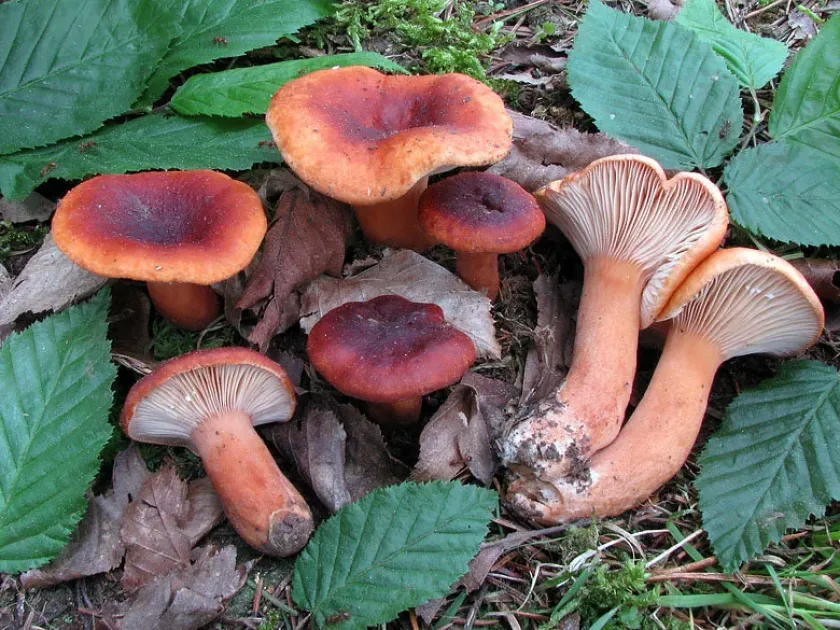
The tawny milkcap is a cap fungus typically identified by its reddish-brown or tawny colored cap featuring a distinct small bump in the center.
The surface of the cap is smooth and dry, though it may become slightly tacky or sticky during periods of high humidity.
Its gills are crowded, decurrent, and exhibit a creamy or pale ochre hue, often darkening slightly with age or handling.
The stem is generally uniform in color with the cap and becomes brittle and hollow as the fungus matures.
When the flesh is damaged, it exudes a white latex that does not change color significantly upon exposure to air, serving as a key identification mark.
Pathogen
Lactarius fulvissimus is not a pathogen and does not cause any diseases in agricultural or ornamental crops.
It is classified as a saprotrophic and mycorrhizal fungus, functioning primarily within the ecosystem of woodland trees.
The organism lacks the enzymatic capability to attack or destroy living plant tissues, meaning it cannot induce plant decay.
Its biological function is primarily linked to the decomposition of organic litter, helping to recycle nutrients within the soil.
Misclassifying this fungus as a plant disease is a common error, as it lives in symbiosis rather than as a parasite.
Conditions for development
This mushroom species is predominantly found in deciduous and mixed forests, forming associations with oak, beech, and hornbeam trees.
Active development of fruiting bodies generally occurs between July and October, depending on rainfall and moisture levels.
A soil environment rich in organic matter and leaf litter provides the necessary conditions for the mycelium to thrive.
Moderate temperatures, typical of late summer and autumn, provide the optimal climate for the fruiting process of the tawny milkcap.
Wind-dispersed spores allow the fungus to colonize new areas, provided the host tree species for its mycorrhizal association are present.
Why it matters
The tawny milkcap poses no harm to cultivated plants, garden crops, or horticultural trees, as it is strictly non-parasitic.
Its presence in a garden or orchard is an indicator of healthy, biologically active soil rather than a symptom of infestation.
The species does not cause root rot, leaf spots, wilt, or any other physiological damage associated with plant pathogens.
Gardeners should view the appearance of this fungus as a natural component of a balanced soil environment.
There is no economic damage associated with this fungus, as it does not compete with crops for nutrients in a way that affects plant yield.
Protection
No protective or chemical control measures are required, as the tawny milkcap is not a pest or a disease agent.
Should the presence of fruiting bodies be undesirable for aesthetic reasons, manual removal is the most effective approach.
The application of fungicides for this organism is strongly discouraged, as it disrupts the beneficial soil microbiome and mycorrhizal networks.
Managing soil drainage and removing excess debris can naturally reduce the frequency of fruiting if that is desired by the gardener.
As this species is non-harmful, focus should remain on proper plant care rather than eradication of the fungus.
Discussion
No discussions yet — be the first.