
Lacrymaria
Lacrymaria
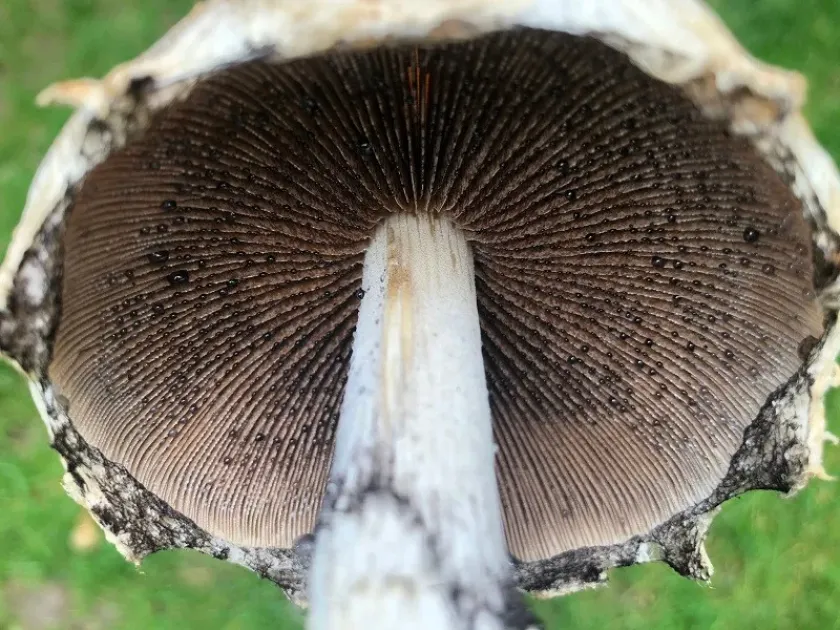
Description
Symptoms
The characteristic symptoms of the disease include the appearance of localized spots that exude fluid, earning the common descriptive name "crying spots" or Lacrymaria infection.
These spots are typically dark, water-soaked, and often surrounded by a yellow chlorotic halo, indicating the plant's stress response to the invading fungus.
As the infection progresses, the lesions expand and merge, causing visible degradation of the foliage and eventual wilting of affected stems.
During periods of high humidity, mycelial growth or spore masses can often be observed on the underside of leaves or directly on the necrotic areas.
- Water-soaked necrotic spots.
- Exudation of droplets (crying effect).
- Yellowing (chlorosis) surrounding lesions.
- Progressive tissue wilting.
- Premature defoliation in severe cases.
Pathogen
Lacrymaria is a genus of fungi recognized in plant pathology for its ability to cause specific necrotic disorders in host plants. This fungus acts primarily by secreting enzymes that degrade plant cell walls.
The biology of this pathogen is centered around the formation of spores (conidia), which serve as the primary inoculum for spreading the infection under favorable meteorological conditions.
It survives as a facultative saprophyte on crop debris, allowing it to persist in the field across seasons and pose a recurrent risk to subsequent plantings.
Once it colonizes host tissues, the pathogen disrupts vital metabolic processes, often leading to systemic weakening of the plant structure.
Modern research focuses on the molecular mechanisms of Lacrymaria-plant interactions to better understand how to prevent its penetration into plant epidermal cells.
Conditions for development
Lacrymaria thrives in environments with prolonged moisture and moderate temperatures, which are essential for spore germination and rapid colonization.
High canopy density significantly increases the risk of development by creating stagnant, humid air pockets that prevent foliage from drying after rainfall.
Poor sunlight penetration in the lower parts of the plant canopy fosters an ideal microclimate for the pathogen to establish itself undetected.
Plants suffering from nutrient imbalances, particularly those with excessive nitrogen, often exhibit softer tissues that are more susceptible to fungal penetration.
Mechanical damage caused by hail, pruning, or insect activity provides easy entry points for the pathogen into the internal plant tissues.
Why it matters
The primary economic harm caused by Lacrymaria is the reduction of the photosynthetic leaf area, which directly translates to lower biomass and yield output.
In addition to direct tissue damage, the infection lowers the overall resistance of the crop, making it more vulnerable to secondary bacterial and fungal pathogens.
Severe infestations can lead to premature senescence, causing crops to wither before the optimal harvest time, leading to significant financial losses for farmers.
The presence of this fungus in nurseries can compromise the quality of stock material, leading to high mortality rates of young plants before they reach the market.
Management costs, including fungicide applications and increased monitoring, significantly raise the overhead expenses for the affected agricultural enterprises.
Protection
Cultural practices, such as the removal of infected crop residues after harvest, are essential to break the survival cycle of the fungus in the soil.
When environmental conditions favor the spread of Lacrymaria, the timely application of preventive or systemic fungicides is recommended to maintain crop health.
Ensuring proper spacing and canopy management improves aeration, which is a critical factor in suppressing the humidity levels required for the fungus to develop.
Integrated Pest Management (IPM) strategies, including the use of biological control agents and resistant cultivars, should be prioritized to reduce chemical dependence.
Regular field scouting is vital for early detection, allowing growers to act promptly before the pathogen spreads across the entire cultivation area.
Discussion
No discussions yet — be the first.