
Lachnum pygmaeum
Lachnum pygmaeum
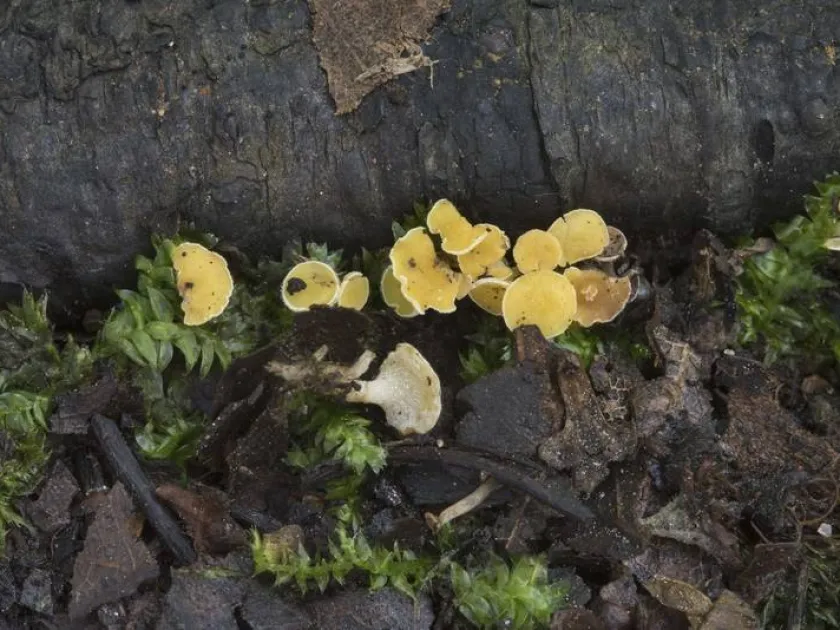
Description
Symptoms
The primary symptom of Lachnum pygmaeum infection is the presence of small, cup-shaped apothecia on the surface of plant tissues.
These fruiting bodies are characterized by fine hairs along their margins, giving them a whitish, fuzzy appearance under magnification.
Infection typically manifests on decaying stems or dying plant parts, where the fungus clusters to form visible colonies.
Affected plant areas often show signs of necrosis, with tissue turning brown or becoming soft and water-soaked as the fungus progresses.
Visual identification in the field requires close inspection, as the small size of the fruiting bodies makes them easy to overlook.
Pathogen
The pathogen is an ascomycete fungus known as Lachnum pygmaeum, a member of the Hyaloscyphaceae family.
It primarily functions as a saprotroph, decomposing organic matter, but can exhibit opportunistic parasitic behavior on stressed plants.
The life cycle involves the production of spores that are wind-dispersed, allowing the fungus to colonize new hosts across the field.
The mycelium is highly resilient and can persist in soil or crop residues for extended periods, waiting for optimal environmental conditions.
Biological studies indicate that this fungus plays a significant role in the breakdown of cellulose within the plant substrate.
Conditions for development
The development of this fungus is heavily dependent on high humidity and the presence of excess moisture on the plant surface.
Warm, moderate temperatures ranging from 15°C to 22°C create the most favorable environment for mycelial growth and sporulation.
Dense crop stands with poor air circulation create stagnant microclimates that promote rapid fungal colonization and spread.
Plants weakened by drought, nutrient deficiencies, or mechanical damage are significantly more susceptible to Lachnum pygmaeum.
Significant accumulations of old plant litter on the soil surface serve as the primary reservoir for the infection cycle.
Why it matters
By accelerating the decay of plant tissues, the fungus lowers the overall quality and structural integrity of the crop biomass.
It can lead to premature wilting and death of stems, which in turn reduces the plant's photosynthetic capacity and final yield.
The presence of the fungus complicates post-harvest storage, as it can continue to degrade plant matter in moisture-prone conditions.
It acts as a stressor that lowers the host's defenses, making it easier for secondary bacterial and fungal pathogens to invade.
Increased disease pressure leads to higher economic costs due to the need for chemical treatments and intensified sanitation efforts.
Protection
Preventive measures begin with rigorous field sanitation, specifically the removal or deep burial of plant residues after harvest.
Implementing a balanced crop rotation scheme disrupts the fungus's life cycle and prevents the buildup of spores in the soil.
Applying appropriate fungicides during the growing season can effectively suppress fungal activity and limit new infections.
- Pruning or thinning to improve airflow within the crop canopy.
- Ensuring adequate soil drainage to prevent localized humidity.
- Using resistant varieties if local infection pressure is high.
Regular phytosanitary monitoring is essential to detect early symptoms and apply localized treatments before the infection spreads.
Discussion
No discussions yet — be the first.