
Lachnum apalum
Lachnum apalum
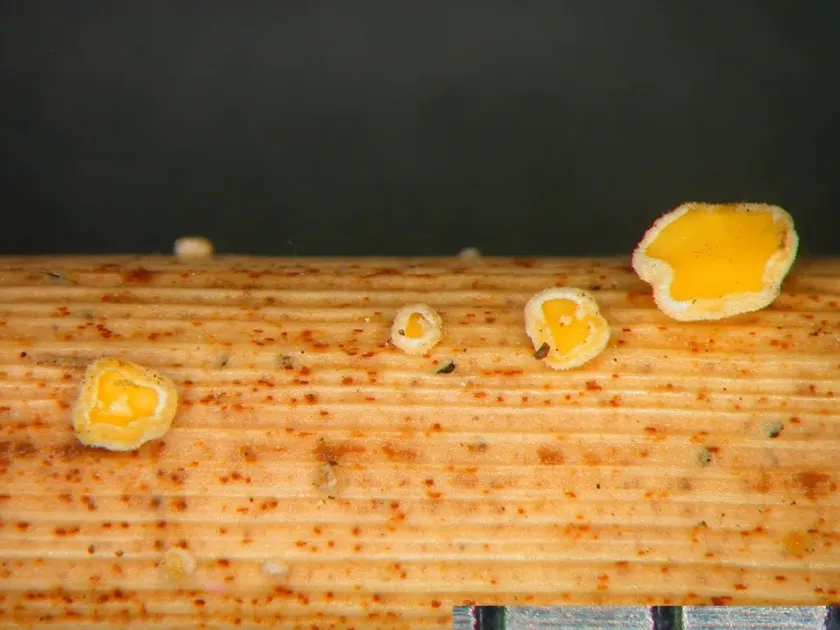
Description
Pathogen
Lachnum apalum is a species of ascomycete fungus within the Hyaloscyphaceae family. It primarily functions as a saprotroph, decomposing organic matter, but can act as an opportunistic pathogen on weakened or damaged plant tissue.
The morphological identification of this fungus relies on the observation of small, hairy, cup-shaped apothecia. These structures are the primary reproductive organs and are often found on stems or dead leaf material.
The life cycle of the pathogen is closely tied to the presence of host plant debris. Spores are primarily dispersed through air currents and splashing raindrops, enabling the fungus to colonize adjacent healthy or stressed plants.
Biologically, Lachnum apalum exhibits high enzymatic activity, specifically targeting cellulose and other structural carbohydrates, which effectively compromises the integrity of the plant cell walls.
While often considered a secondary invader, its presence in dense monoculture settings can facilitate a rapid buildup of inoculum, potentially increasing the disease pressure within the field.
Conditions for development
The development of Lachnum apalum is highly dependent on environmental moisture. High relative humidity levels exceeding 85% are necessary for the successful germination and spread of its fungal spores.
Temperatures ranging from +15°C to +22°C create an optimal environment for mycelial growth and colonization of plant surfaces, particularly during the transition between spring and summer.
Extended periods of leaf wetness, often caused by night dew, persistent fogs, or improper overhead irrigation, significantly accelerate the colonization process by providing necessary water for the fungus.
Poor field ventilation, caused by over-seeding or thick canopy closure, traps humidity and keeps the plant surface moist, which prevents the host from drying out and stopping the fungal progression.
Presence of physical wounds or insect-inflicted damage on plant stems serves as an entry point for the fungus, dramatically increasing the success rate of the infection.
Why it matters
The damage caused by Lachnum apalum primarily manifests as the destruction of epidermal and cortical tissue, which disrupts the vascular transport of water and essential nutrients throughout the plant.
Infected plants often display localized necrosis and wilting. As the structural integrity of the stem declines, the plants become susceptible to lodging, especially during windy conditions.
Chronic infection severely limits the photosynthetic capacity of the foliage, leading to stunted development and a significant reduction in total biomass and overall crop yield.
Quality of the agricultural product can also be compromised, as the fungus may contaminate grain or other plant parts if the infection reaches the reproductive organs during late stages.
Under favorable weather conditions, the pathogen can spread rapidly through the field, transforming a localized outbreak into a widespread economic issue within the crop cycle.
Protection
Effective management begins with robust sanitation practices, including the removal and destruction of crop residues that harbor the pathogen during the winter season.
Crop rotation remains the most effective biological control method to break the pathogen's life cycle and limit its ability to re-establish in the following season.
Maintaining proper plant density and ensuring adequate airflow between rows can significantly reduce the risk of infection by keeping the plant canopy dry.
Chemical control, specifically the use of preventative fungicides, should be integrated into the management plan if environmental conditions signal a high probability of fungal development.
- Deep plowing to bury infested crop debris.
- Balanced fertilization to boost plant vigor and cell wall strength.
- Early detection through regular field scouting during high-humidity periods.
Discussion
No discussions yet — be the first.