
Lachnocladium
Lachnocladium
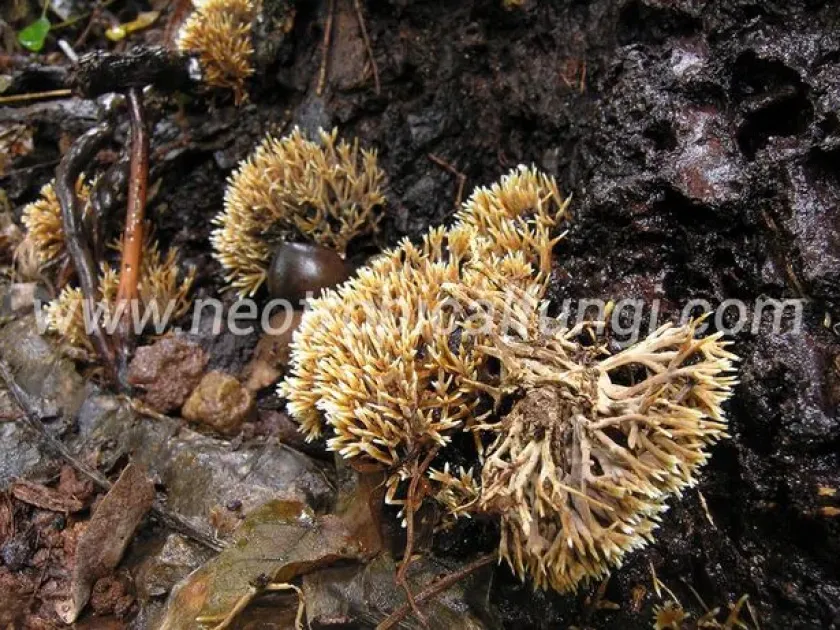
Description
Symptoms
The primary symptom of infection is the emergence of a felt-like or hairy coating on leaves and young shoots, ranging in color from white to cream or brownish.
Infected areas often develop visible coral-like fruiting structures that adhere firmly to the plant epidermis, leading to localized tissue damage.
Affected plant parts exhibit signs of wilting, chlorosis (yellowing), and premature necrosis as the fungus disrupts the plant's vascular and nutrient transport systems.
Stunted growth and deformation of young stems are common signs, often resulting in a diminished aesthetic value of ornamental or nursery plants.
In severe cases, the fungal mycelium can envelop the entire branch or leaf surface, effectively blocking gas exchange and stopping the photosynthetic process.
Pathogen
The disease is caused by fungi of the genus Lachnocladium, which are Basidiomycetes typically found in forest environments and tropical ecosystems.
These fungi are primarily saprotrophic, meaning they feed on decaying organic matter, but they can act as opportunistic pathogens under specific environmental stressors.
The organism is characterized by dense mycelial growth that often produces coral-like or felt-like fruiting bodies on the surface of the plant substrate.
Reproduction occurs via spores, which are easily disseminated by wind currents, rain splashes, or insect activity within dense plant populations.
The pathogen is highly resilient and capable of surviving in the soil or within plant debris for extended periods, making eradication challenging once established.
Conditions for development
High humidity and poor air circulation are the most critical factors driving the development and spread of Lachnocladium infections.
The pathogen thrives in warm conditions, with an optimal temperature range typically between +20 and +28 degrees Celsius, which often coincides with the peak growing season.
Lack of proper pruning and over-crowded planting patterns create microclimates that trap moisture, providing the perfect environment for spore germination.
Accumulated organic debris in the vicinity of healthy plants serves as a constant reservoir for inoculum, facilitating recurring infection cycles.
Plants stressed by environmental factors, such as drought, nutrient deficiency, or improper light exposure, are significantly more susceptible to colonization.
Why it matters
The primary impact of the disease is the reduction of plant vigor, which leads to slow growth rates and significant physiological weakness in nursery stocks.
Infected plants often drop their leaves prematurely, which prevents the build-up of necessary energy reserves for the dormant season and overall plant health.
Severe infestations can lead to dieback of young shoots and branches, potentially causing permanent damage to the structural integrity of trees and shrubs.
In commercial plant production, the presence of the pathogen leads to heavy economic losses due to the required culling of damaged or diseased specimens.
Persistent infections render plants highly vulnerable to secondary attacks by other pathogens and insect pests, further degrading the overall health of the garden or forest.
Protection
Cultural control is the most effective approach, focusing on regular pruning and thinning of branches to improve air circulation and sunlight penetration.
Strict sanitation protocols, such as the removal and destruction of all fallen leaves and debris, are essential to reduce the pathogen's overwintering sites.
The strategic application of copper-based or systemic fungicides can help protect healthy tissues and prevent the spread of spores during periods of high humidity.
Proper irrigation management is vital; avoiding overhead watering or excessive soil saturation helps maintain conditions unfavorable for fungal proliferation.
Continuous monitoring of plant health allows for the early detection of symptoms, enabling swift and effective intervention before the infection reaches a critical stage.
Discussion
No discussions yet — be the first.