
Lachnellula suecica
Lachnellula suecica
Description
Symptoms
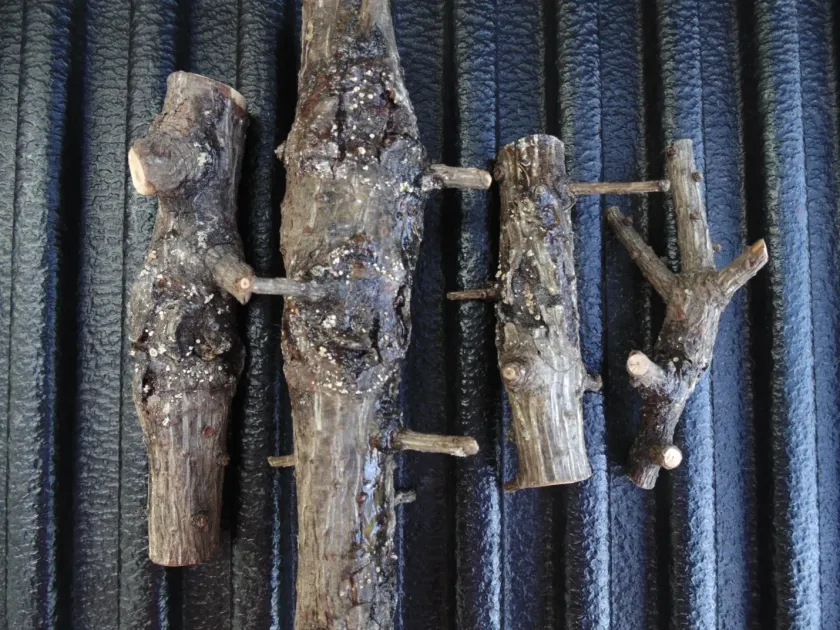
The most reliable sign of infection is the presence of the characteristic orange apothecia on the bark. These are usually found in clusters on stressed or damaged parts of the trunk and branches.
Affected bark areas may appear discolored, showing shades of brown or gray. Unlike severe canker diseases, Lachnellula suecica usually does not cause massive, deep lesions or significant swelling of the stem.
In cases where the infection persists, twigs or branches may show symptoms of dieback. The foliage on these branches may turn yellow and eventually drop off as the vascular connection is interrupted.
The apothecia are highly responsive to humidity. In dry conditions, they may shrink and become difficult to spot, while in damp, cool weather, they expand and become vividly orange.
Early symptoms might be overlooked because the fungus often starts as a minor saprophyte before becoming more active. Careful inspection of the bark in low-light, high-moisture sections of the tree is necessary for early detection.
Pathogen
Lachnellula suecica is an ascomycete fungus belonging to the Hyaloscyphaceae family. It is recognized as a facultative parasite that primarily colonizes weakened tissues of coniferous trees.
The fungus produces distinct fruit bodies known as apothecia. These are small, cup-shaped structures, typically orange or yellow in color, often surrounded by a fringe of white hairs, which makes them visible during certain seasons.
The mycelium grows within the bark and phloem of the host. While often found on dead branches, it can invade living tissues, especially when the tree is under physiological stress or has suffered mechanical injury.
Spore dispersal occurs primarily through air currents and rain splashes. Once spores land on susceptible bark—especially in cracks or wounds—they germinate and establish a new infection site.
Taxonomically, Lachnellula suecica shares similarities with other species in the genus. Precise identification often requires microscopic examination of the spores and paraphyses to differentiate it from more aggressive pathogens.
Conditions for development
Cool and humid conditions are ideal for the development and spread of Lachnellula suecica. This explains why the fungus is most frequently observed during spring and autumn, especially in wet years.
Dense forest stands that lack proper air circulation provide the perfect microclimate for the fungus. The retained moisture on the bark surface significantly increases the success rate of spore germination.
Physiological stress caused by unsuitable soil, lack of sunlight, or competition from surrounding vegetation makes trees more vulnerable. Healthy, vigorous trees can often wall off the infection before it becomes systemic.
Cold injury is a major factor predisposing trees to infection. Frost cracks, which occur frequently in regions with sharp temperature fluctuations, act as primary entry points for the pathogen.
Stagnant air and poor site drainage contribute to the accumulation of inoculum in a stand. Over time, this leads to a higher infection pressure on the younger, more susceptible trees within the area.
Why it matters
While not typically considered a lethal pathogen of healthy, mature trees, Lachnellula suecica can cause significant damage in nursery settings and young plantations.
The primary impact is the loss of branches and reduced crown density. This loss of photosynthetic tissue inevitably slows down the tree's growth rate and reduces wood volume production.
In nurseries, an infection can lead to the rejection of stock, as the presence of visible fungal fruit bodies lowers the aesthetic and sanitary quality of the saplings intended for sale.
The pathogen creates an environment that may facilitate secondary colonization by wood-boring insects. Once the bark is breached by the fungus, the tree becomes more attractive and susceptible to pests.
Long-term harm is often related to the cumulative effect of the disease. While the damage may be slow to progress, it continually weakens the host, making it more prone to other environmental stressors.
Protection
The cornerstone of management is the maintenance of healthy forest stands. Proper silvicultural practices, including timely thinning, ensure adequate ventilation and light penetration.
Sanitation is crucial; infected branches and severely diseased trees should be removed from the site to lower the overall inoculum density in the local environment.
In nurseries or high-value plantations, preventative fungicide applications—particularly those containing copper—during the high-risk spring season can effectively suppress new infections.
Minimizing mechanical damage to the bark during forest management operations is essential. Avoiding unnecessary wounds prevents the pathogen from gaining direct access to the tree's living tissues.
Enhancing tree vigor through proper site selection and soil management is the best long-term strategy for increasing the tree's natural resistance against fungal infections.
Discussion
No discussions yet — be the first.