
Lachnellula resinaria
Lachnellula resinaria
Description
Symptoms
The most visible sign of infection is the presence of resin flow (resinosis) at the site of the fungal attack. These resinous masses often indicate that the fungus is actively destroying the bark tissues.
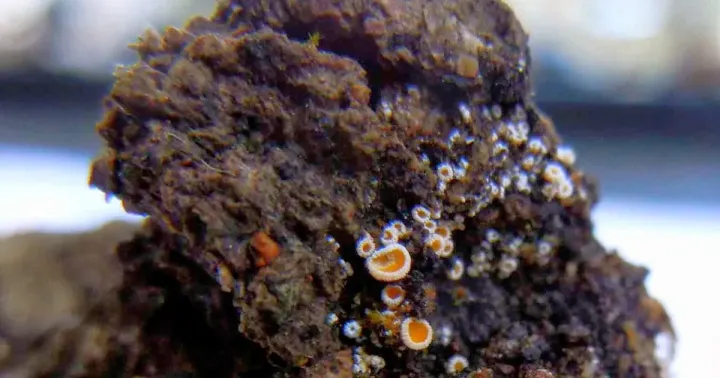
Small, disc-like fruiting bodies emerge directly from the bark or the edge of resinous cankers. These bodies are distinct and become more noticeable during damp weather conditions.
Needle yellowing and eventual browning on individual branches are clear indicators that the translocation of water and nutrients has been disrupted by the fungal mycelium.
Removing the outer bark reveals discolored, decaying woody tissue and white or off-white mycelial mats spreading beneath the surface of the infected areas.
In advanced stages, the disease causes the dieback of branches, resulting in a thin, sparse crown appearance and significant structural damage to the affected limbs.
Pathogen
The causative agent of this disease is the ascomycete fungus Lachnellula resinaria. It belongs to the Hyaloscyphaceae family and primarily affects the branches and stems of various conifer species.
The fungus produces small, cup-shaped fruiting bodies known as apothecia. These structures are typically orange or yellowish and appear on the surface of the bark during the sporulation phase.
The pathogen infects the host tree through bark wounds, frost cracks, or even through the bases of small twigs. Once established, it colonizes the inner bark and cambium layers.
It remains active for extended periods, slowly compromising the vascular tissue of the tree. This long-term activity is characteristic of its life cycle as a facultative parasite.
The biological success of Lachnellula resinaria relies on its ability to utilize weakened host tissues while triggering the tree's internal defense mechanisms, such as resin production.
Conditions for development
Lachnellula resinaria thrives in high-humidity environments. Periods of prolonged rainfall, mist, or fog create optimal conditions for the dispersal and germination of fungal spores.
Dense, overcrowded plantations provide a favorable microclimate for the fungus, as poor air circulation keeps the foliage and bark surfaces damp for longer periods.
Trees that are already stressed by unfavorable environmental factors, such as drought, extreme temperature fluctuations, or insect attacks, are much more susceptible to infection.
Spore dissemination is largely achieved via wind and water splash, allowing the fungus to spread efficiently throughout a forest stand or a nursery block.
The disease is most prevalent in cooler regions where temperate climate conditions allow the fungus to maintain steady growth while the host plant experiences seasonal metabolic slowdown.
Why it matters
This pathogen poses a significant threat to forest vitality, particularly in young conifer plantations. It reduces tree growth rates and compromises the overall health of the forest.
The disease is economically damaging to timber production as it leads to wood quality deterioration and the formation of unsightly cankers that devalue the lumber.
In landscape gardening and parks, the aesthetic value of ornamental conifers is severely reduced by the development of resinous wounds and crown thinning.
Increased vulnerability to secondary pests and pathogens often follows an initial Lachnellula infection, turning a localized problem into a major tree health issue.
If the infection reaches the main stem or crown leader, it can lead to the total mortality of the tree, creating gaps in the stand and requiring sanitary management.
Protection
The primary control strategy involves the systematic removal and destruction of infected branches. This reduces the primary inoculum source within the plantation.
Maintaining proper tree health through adequate spacing and fertilization is essential. Strong, vigorous trees are far better equipped to defend themselves against fungal attacks.
Fungicide applications can be effective in nursery settings or for high-value ornamental trees, especially during periods of high humidity and spore release.
Site sanitation is crucial; removing dead wood and clearing debris prevents the fungus from colonizing dead organic matter and spreading to adjacent living trees.
Regular inspections are necessary for early detection. Promptly treating small wounds or localized infections can save a tree from extensive damage and structural failure.
Discussion
No discussions yet — be the first.