
Labrella blight of cereals
Labrella agrostidis
Description
Symptoms
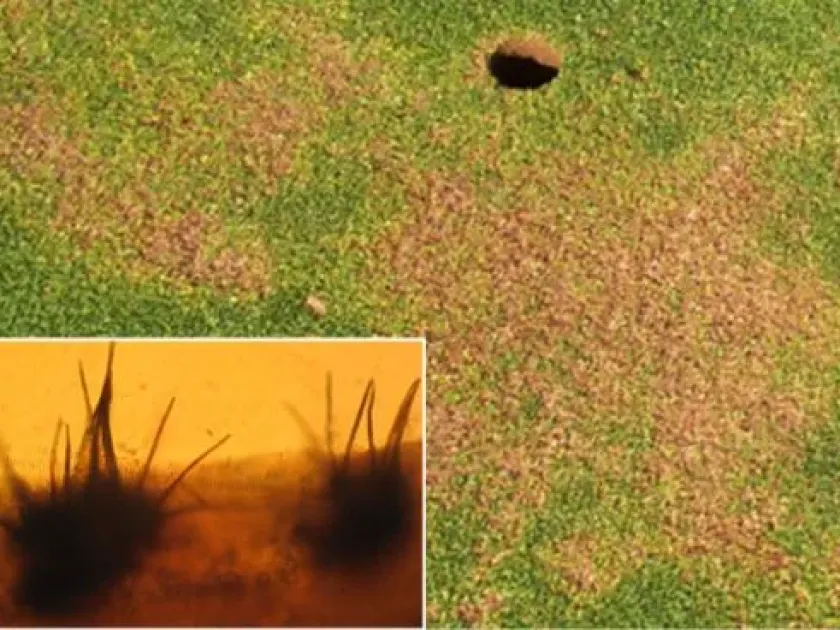
The primary symptoms include the development of spots on the leaves, which typically appear as small, brownish necrotic areas. These spots often elongate along the leaf veins, giving them a distinct shape.
The presence of minute black pycnidia is a defining characteristic of the disease. These fruiting bodies are visible to the naked eye as tiny, dark dots scattered across the necrotic tissue of the infected leaves.
As the disease progresses, leaves exhibit chlorosis, leading to early senescence and death. The infection typically starts from the lower canopy, where humidity levels are higher, and spreads upward as the season advances.
In cases of severe infestation, the stems may also show signs of weakening. This structural damage can interfere with the plant's nutrient transport system and, in extreme instances, cause lodging in the field.
Field diagnosis relies on identifying these spots and associated structures. However, since they resemble other common leaf blights, microscopic analysis is often necessary to confirm the identity of the causal agent.
Pathogen
The disease is caused by the fungus Labrella agrostidis, a pathogen that primarily targets the vegetative parts of cereal grasses. It is a specialized fungus that completes its cycle by forming small reproductive structures within the leaf tissue.
This pathogen is characterized by its ability to persist on crop debris throughout the off-season. The fungus remains dormant in the form of mycelium or specialized fruiting bodies, allowing it to survive harsh winter conditions in the soil or on straw.
The lifecycle involves the production of spores that are disseminated by wind and splashing raindrops. These spores are highly efficient at colonizing new hosts when environmental conditions allow for germination.
Once the spore adheres to the leaf surface, it penetrates the plant's epidermis using enzymatic activity. This process initiates the formation of lesions, which eventually house the fungus as it continues to extract nutrients from the plant.
Research indicates that Labrella agrostidis thrives in temperate climates, making it a persistent issue in various grain-producing regions. Its host specificity allows it to affect a wide range of monocotyledonous grasses.
Conditions for development
High humidity and prolonged periods of wet weather are the most critical factors for the spread of Labrella agrostidis. Moisture allows for spore germination and successful entry into the host plant.
The fungus is most active in moderate temperatures, typically between 15°C and 22°C. These conditions often coincide with the active growth phase of cereal crops, leading to increased risk of infection.
Agronomic practices, such as high planting density, significantly influence the disease cycle. Dense canopies trap moisture and reduce air circulation, creating a micro-environment that favors fungal reproduction.
Excessive nitrogen fertilization can inadvertently make the plants more susceptible. Rapid, succulent growth resulting from high nitrogen levels provides an easy target for the fungal hyphae to penetrate the leaf tissue.
Failure to manage crop residues is another contributing factor. Leaving infected straw on the surface provides a continuous reservoir for the pathogen, significantly increasing the probability of recurrence in subsequent seasons.
Why it matters
The primary harm caused by this disease is the reduction of the plant's photosynthetic capacity. By destroying leaf tissue, the fungus reduces the energy available to the plant for grain filling.
Infected crops often produce lighter, lower-quality kernels. This results in reduced grain weight and potential declines in grain protein content, which negatively impacts the market value of the harvested produce.
Yield losses can be substantial, ranging from 10% to over 30% depending on the severity of the outbreak. The most significant damage occurs when the upper leaves, which are vital for grain development, are heavily infected.
The plants' overall health is compromised, making them more vulnerable to secondary infections by other pathogens or infestations by pests. The cumulative stress leads to poor crop performance.
Economically, the presence of Labrella agrostidis increases production costs due to the necessity of fungicide applications. These additional interventions are vital to preserve yields but add significant costs to the farming operation.
Protection
A successful defense strategy starts with proper crop rotation. By avoiding the cultivation of susceptible cereal varieties in the same field for consecutive years, farmers can effectively break the pathogen's lifecycle.
Thorough soil cultivation, including the deep incorporation of crop residues, is a highly effective preventative measure. This speeds up the decomposition of infected straw, drastically reducing the initial inoculum levels.
Selecting resistant or tolerant varieties is a cornerstone of integrated disease management. Genetic resistance provides a sustainable way to minimize damage without excessive reliance on chemical interventions.
Fungicide application is recommended if monitoring indicates a high risk of spread during the critical growth stages. Systemic fungicides are particularly effective at protecting the new leaves from becoming infected.
Optimizing plant nutrition, especially balancing potassium and phosphorus levels, helps strengthen plant cells. A well-nourished crop is more resilient and creates a robust mechanical barrier against fungal penetration.
Discussion
No discussions yet — be the first.