
Kordyana
Kordyana
Description
Symptoms
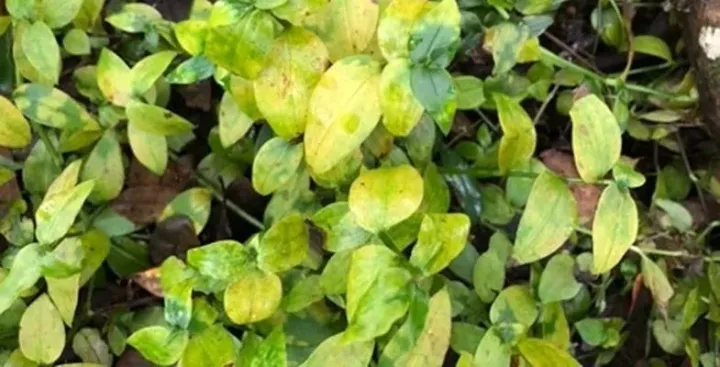
The most prominent sign of Kordyana infection is the appearance of distinct leaf spots. These spots initially appear chlorotic or yellow and often progress to a necrotic brown color.
Under magnification, the underside of these spots often displays a whitish or grayish powdery layer, representing the basidia and spores of the pathogen.
As the infection progresses, the lesions may coalesce, leading to large patches of dead tissue on the leaf blade, which can eventually cause leaf shredding.
Affected plants often show a decline in vigor, with signs of general stunted growth. This indicates that the photosynthetic capacity of the plant is significantly impaired.
In severe cases, premature senescence and defoliation occur, as the plant can no longer maintain the nutritional demand of the heavily infected leaves.
Pathogen
Kordyana is a genus of fungi belonging to the Basidiomycota phylum, known as plant pathogens. These fungi are specialized parasites that primarily affect specific botanical families, such as Commelinaceae.
The life cycle involves the colonization of host leaf tissues, where the fungal mycelium grows within the intercellular spaces. This internal growth eventually leads to the eruption of basidia on the leaf surface.
The production of spores serves as the primary mechanism for the rapid dissemination of the disease during the growing season. The fungi rely on moisture to complete their reproductive cycle.
These pathogens survive unfavorable periods by persisting in plant debris, which acts as a reservoir for infection in the following seasons.
The interaction between the fungus and the host plant is highly specific, often leading to distinct morphological changes in the affected plant tissues due to the secretion of fungal enzymes.
Conditions for development
High humidity and consistent rainfall are the primary environmental drivers for the development and spread of Kordyana infections.
Optimal temperatures for the growth of the fungus generally fall within the mild range, typically between 20°C and 25°C, allowing for rapid colonization.
Poor airflow, often caused by high planting density or lack of canopy management, creates a microenvironment that facilitates spore germination and fungal spread.
Inadequate soil drainage can contribute to increased ambient humidity around the plants, further promoting the risk of infection.
The presence of previous season's crop residue is a critical factor for the early-season outbreak, as it provides the inoculum necessary for the initial infection.
Why it matters
The primary economic harm caused by Kordyana is the reduction in photosynthetic efficiency, which translates directly into lower yield and biomass production.
In ornamental plants or specific crops, the unsightly leaf spotting reduces the market quality and commercial value of the final product.
Chronic infection weakens the plant's overall system, making it more susceptible to secondary stressors, including other diseases or environmental fluctuations.
Early-stage infection in nurseries can lead to significant losses in plant stock, requiring intensive labor for removal and sanitation measures.
If left unmanaged, the pathogen can deplete the plant's energy reserves, negatively impacting flower and seed formation in subsequent stages of growth.
Protection
Sanitation is the cornerstone of Kordyana control. Removing and destroying infected plant material significantly reduces the local inoculum pressure.
Improving air circulation through proper spacing and pruning helps modify the microclimate to be less favorable for fungal development.
Preventive fungicide applications can be effective when environmental conditions are conducive to the spread of the disease, provided they are applied before widespread infection.
Adhering to strict crop rotation practices disrupts the pathogen's life cycle and prevents the buildup of spores in the soil environment.
Continuous monitoring of the field allows for the early detection of the disease, enabling targeted intervention and preventing the need for broad-spectrum chemical treatments.
Discussion
No discussions yet — be the first.